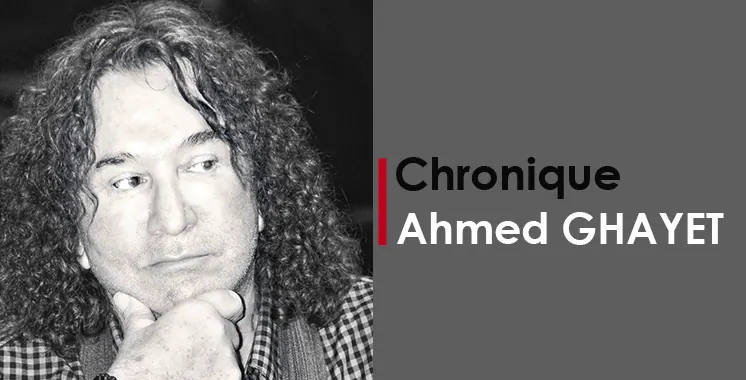
The recent legislative elections in Morocco saw a significantly low voter turnout, sparking concerns about the country's democratic process. The abstention rate was particularly high among young people, which is worrisome given that Morocco is a young country. According to Ahmed Ghayet, a writer for Aujourd'hui Le Maroc, the silence of young people in the elections is a pressing issue that needs to be addressed.
The issue of youth abstention in elections is not unique to Morocco, but it has a particular significance in the country due to its youthful population. Ghayet draws an analogy between a family's dynamics and the country's situation, highlighting the importance of young people's participation in the democratic process. He argues that if young people disengage from the construction of their society, it will have severe consequences for the country's future.
Ghayet emphasizes that the responsibility for the low voter turnout cannot be solely attributed to young people, but rather it is a collective issue that requires a thorough examination of the current situation. He calls on politicians, parties, and elected officials to reflect on their actions and identify what they could have done differently to regain the trust of the population, particularly young people.
The writer argues that the new government should prioritize reconnecting with young people and finding ways to engage them in the democratic process. He believes that young people are not disinterested in politics, but rather, politicians have failed to connect with them. Ghayet cites his own experiences with young people, who are eager to discuss politics and share their thoughts and analyses.
Ghayet identifies a significant factor contributing to youth abstention: the lack of role models and guidance. He notes that in many neighborhoods, dealers have replaced leaders, and social media influencers have become the reference points for young people. He calls for the provision of tools and guidance that will enable young people to navigate their lives and make informed decisions.
Several associations are taking initiatives to provide young people with positive role models and guidance. For example, the "Devoir de Mémoire" association, created by young Franco-Moroccan individuals, is working to honor Moroccan soldiers who died in France. Another initiative, "Génération Diaspora," aims to organize a web conference to discuss ways to reconcile young people with civic action.
The "Marocains Pluriels" and "O2jeunes" associations are also taking steps to provide young people with positive references. They plan to plant a fruit tree in Casablanca, which will serve as a symbol of youth and be nurtured over the course of four seasons. These initiatives demonstrate the importance of providing young people with positive guidance and role models to encourage their participation in the democratic process.
Key points
- The low voter turnout in Morocco's recent legislative elections has raised concerns about the country's democratic process, particularly among young people.
- The lack of role models and guidance is a significant factor contributing to youth abstention in Morocco.
- Several associations are taking initiatives to provide young people with positive role models and guidance to encourage their participation in the democratic process.