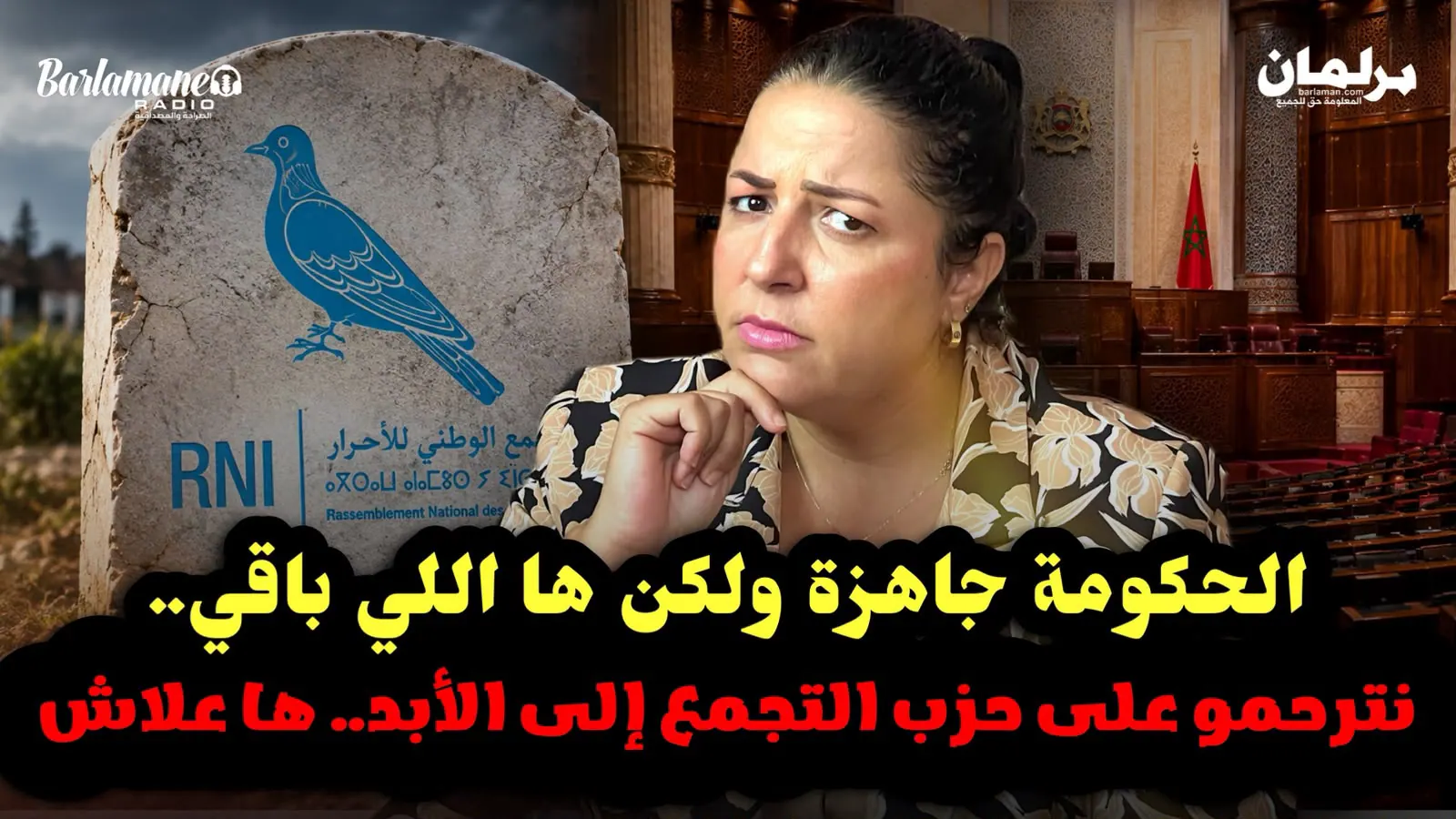
A recent episode of the Moroccan TV program "Dierha Ga Zouin" focused on the country's political landscape following the latest election results. Host Badrieh Attallah discussed various issues, including the end of the National Rally of Independents' (RNI) term in government and the implications for the country's future. The program touched on the rising costs of living and economic pressures faced by Moroccans.
Attallah evaluated the performance of the Aziz Akhannouch government, criticizing its handling of economic and social issues. She highlighted the increase in fuel and meat prices, as well as the overall cost of living, which she believes contributed to the RNI's declining popularity. The host argued that the recent election results reflected widespread dissatisfaction among voters with the government's performance.
The program also discussed the potential for a new government, with Attallah calling on the next administration to learn from past mistakes and address social and economic issues more effectively. She specifically mentioned Fatima Zahra Mansouri as a potential candidate to lead the next government, urging her to be patient and work pragmatically. Attallah emphasized that the success of any new government would depend on its ability to mitigate the effects of previous years.
The episode also touched on the Justice and Development Party (PJD) and its previous term in government under Abdelilah Benkirane. Attallah criticized certain decisions made by the PJD, particularly regarding the Compensation Fund and social dialogue. However, she also noted the party's resurgence in the wake of the election results, which she attributed to its ability to capitalize on voter dissatisfaction with the previous government.
Attallah also addressed the issue of Suleiman Al-Raisouni, a prominent critic of the Moroccan government who has been living in Tunisia. She questioned his claims of being hacked on social media and expressed skepticism about his online following. The host also raised concerns about human rights in Tunisia under President Kais Saied, highlighting the number of journalists and opponents who have been imprisoned or sentenced.
The program also explored the issue of human rights and media discourse, with Attallah criticizing what she saw as double standards in the treatment of human rights issues between Morocco and certain European countries. She pointed to recent protests in France and Spain, arguing that the Moroccan authorities' handling of demonstrations was more measured than in some other countries.
Finally, Attallah discussed the ongoing protests in Spain over housing issues, sparked in part by the death of an elderly woman, Maria Carmen Abascal. She argued that the case had become a symbol of the protests and had sparked a wider debate about housing and citizens' rights. The host drew parallels with Morocco's own experiences, calling for the country to learn from the lessons of the past.
Key points
- The Moroccan TV program "Dierha Ga Zouin" analyzed the recent election results and their implications for the country's future.
- Host Badrieh Attallah criticized the performance of the Aziz Akhannouch government, particularly its handling of economic and social issues.
- The program discussed potential candidates to lead the next government, including Fatima Zahra Mansouri, and emphasized the need for a new administration to address social and economic issues more effectively.