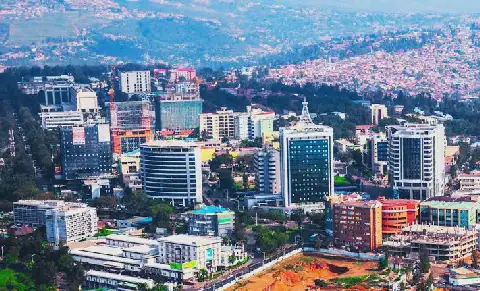
The Moroccan real estate market is experiencing a severe downturn, with transactions down by around 30% compared to pre-pandemic levels. Sales of new homes have plummeted by 40% in several major cities. Between 2021 and 2025, construction permits decreased by 35%, and construction starts fell by 30-40%. Cement sales are also 20% lower than in 2021. These alarming indicators have prompted real estate promoters to demand urgent measures to revitalize the market.
The decline in the real estate market has significant implications for the Moroccan economy, as it accounts for nearly 7% of GDP, generates one million direct and indirect jobs, and supports over 50 sectors. Despite this, the sector's financing has shown a mixed trend. As of September 2026, mortgage credits stood at 260.4 billion dirhams, up 2.6% annually. However, financing for real estate promotion has increased more substantially, reaching 62.4 billion dirhams, a 10.1% rise.
Real estate promoters attribute the market's woes to soaring production costs. Over the past five years, steel prices have risen by 35-45%, wood by over 60%, aluminum by 30-40%, and copper by 45-60%. The costs of land, energy, transportation, and labor have further exacerbated the issue. Promoters are caught between high production costs and sluggish demand, highlighting the need for a comprehensive overhaul of the sector.
In response to the crisis, the Moroccan National Real Estate Promotion Federation (FNPI) will present a roadmap for 2026-2035 on December 10, during the National Real Estate Day. The plan, themed "Building Trust, Constructing Morocco," aims to attract investors, boost housing production, and enhance living standards. Key proposals include reforming the taxation of sales in future completion (VEFA) and reducing VAT on materials and equipment that promote energy efficiency.
The FNPI also advocates for a more favorable tax regime for property renovation, exemption from VAT on acquisitions financed in transferable foreign currency, and a 15% corporate tax rate for companies developing long-term rental programs. Additionally, the federation suggests reforming the tax on undeveloped land (TNB) and expanding the Daam Sakane program to projects launched before December 31, 2008.
The proposed reforms aim to stimulate the rental market, encourage sustainable construction, and increase the supply of affordable housing. The FNPI also recommends creating a national permanent committee on real estate taxation to ensure a coordinated approach to sector development. These measures are expected to help revitalize the Moroccan real estate market and address the current crisis.
The Moroccan government faces mounting pressure to address the real estate sector's challenges, which have significant implications for the broader economy. With the FNPI's roadmap, stakeholders hope to initiate a constructive dialogue on the necessary reforms to restore the sector's dynamism and ensure sustainable growth. The proposals will be closely watched by industry players and policymakers in the coming months.
Key points
- The Moroccan real estate market is facing a severe crisis, with transactions and construction starts significantly down.
- The FNPI has proposed a roadmap for 2026-2035, including fiscal and regulatory reforms to stimulate the market.
- The reforms aim to increase housing production, attract investors, and enhance living standards in Morocco.