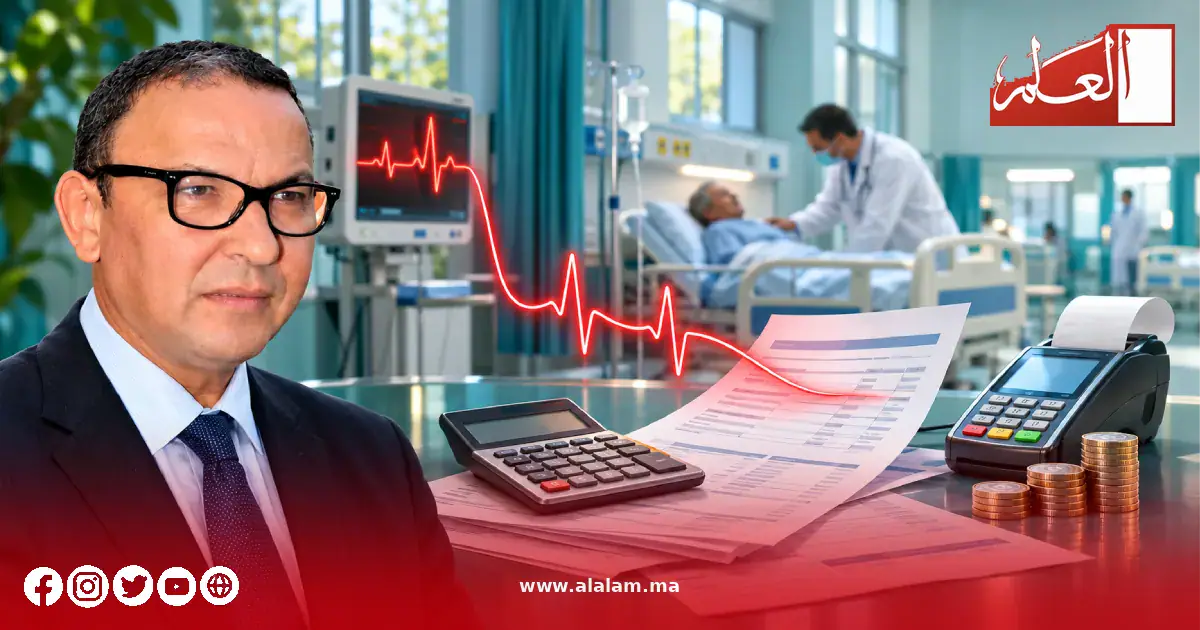
The Moroccan public hospital system is facing significant financial challenges. Despite a planned increase in funding, the sector's financial sustainability remains uncertain. According to Dr. Anwar Cherkaoui, the issue lies not only in the availability of resources but also in the efficient management of these resources. The public hospital system's financial struggles may compromise its ability to provide quality healthcare.
A substantial increase in the allocation of funds from the mandatory basic health insurance (AMO) to public health institutions is planned, rising from 9% to 50% by 2031. However, Dr. Cherkaoui questions whether these institutions have the necessary human resources, technical capabilities, and organizational structures to effectively utilize these funds. The goal is to transform these funds into high-quality healthcare services and accurate billing.
Public hospitals often fail to generate sufficient revenue due to inefficient billing and collection processes. Patients receive medical treatment, but the services provided are not always recorded, coded, or billed correctly. Uncollected bills result in lost revenue, which could be used to purchase medication, maintain medical equipment, and improve healthcare services. This silent financial hemorrhage can have a significant impact on the quality of care provided.
In contrast, private clinics tend to manage their finances more effectively. They have streamlined administrative processes, ensuring that patient care is closely tied to billing and payment procedures. Public hospitals can learn from these private institutions, adopting similar strategies to improve their financial management without compromising patient care. Effective financial management is essential for providing high-quality healthcare services.
To address these challenges, public hospitals must focus on eight key areas. Firstly, digitizing patient care pathways from start to finish is essential. This involves implementing integrated and secure information systems to track medical services and link them to billing. Additionally, public hospitals need to professionalize their billing and collection processes, investing in specialized teams with medical, accounting, and administrative expertise.
Investing in primary healthcare is another crucial area of focus. By providing regular monitoring and early intervention, public hospitals can help prevent complications and reduce the need for costly treatments. Furthermore, optimizing hospital resources, controlling costs, and incentivizing healthcare professionals are essential for improving the financial sustainability of public hospitals.
The relationship between public hospitals and health insurance organizations must also be improved. Timely payment and clear communication are vital for ensuring that hospitals can provide quality care. Finally, evaluating the performance of public hospitals should go beyond financial metrics, considering factors such as treatment quality, waiting times, patient safety, and social equity.
Key points
- Moroccan public hospitals face significant financial challenges despite planned increases in funding.
- Inefficient billing and collection processes result in lost revenue, compromising the quality of care provided.
- Public hospitals must prioritize digitization, professionalized billing, and investment in primary healthcare to improve financial sustainability.