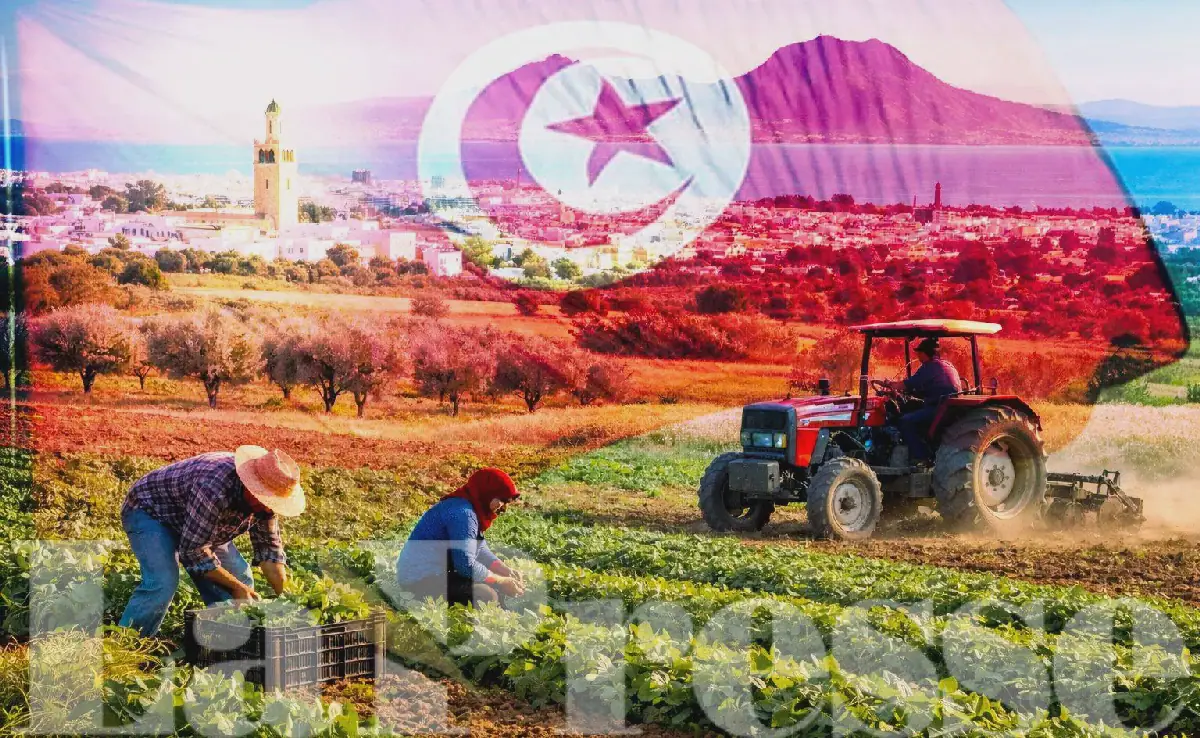
The Tunisian government has officially launched its first digital agricultural census for 2026-2027. This initiative aims to create a comprehensive and accurate database on the current state of the agricultural sector. The census is expected to help reverse the negative trends of previous decades, improve purchasing power, and reassure citizens about their food supply. The launch marks a significant step towards modernizing the sector.
Tunisia's agricultural sector has long struggled with inefficiency and a lack of strategic planning. Despite being a crucial part of the country's economy, the sector has failed to achieve self-sufficiency. The government's previous attempts at reform, such as the cooperative model in the 1960s, have been unsuccessful. As a result, the sector has been plagued by crises, including a lack of access to resources, inadequate infrastructure, and insufficient production.
The agricultural sector's poor performance has had far-reaching consequences for the country's economy and citizens. The lack of self-sufficiency in key areas such as cereals and livestock has led to frequent shortages and price fluctuations. Additionally, the erosion of citizens' purchasing power has made it difficult for them to afford basic necessities like bread and olive oil. The government hopes that the digital census will provide a foundation for addressing these issues.
The digital census will collect data on agricultural holdings, their geographical distribution, activities, resources, and structural and productive characteristics. This information will provide policymakers with accurate indicators on the sector's performance and help identify areas for development. The Ministry of Agriculture has partnered with public media to raise awareness about the census and encourage farmers to participate.
The census is being implemented at the regional level, with governors and local authorities overseeing the process. Trained teams of enumerators are set to begin collecting data in the coming months. The government has assured farmers that their data will be protected and not used for tax purposes. The success of the census depends on the participation of farmers and the accuracy of the data collected.
The launch of the digital census marks a significant shift in the government's approach to agricultural policy. For the first time, the government is using data-driven approaches to inform its decision-making. The census is expected to provide a reference point for developing concrete programs and investment projects that can help transform the sector.
The outcome of the census will be crucial in determining the future of Tunisia's agricultural sector. If successful, it could help address the sector's long-standing challenges and improve food security. The government hopes that the census will pave the way for a more sustainable and productive agricultural sector that can contribute to the country's economic growth and development.
Key points
- The digital census aims to create a comprehensive database on Tunisia's agricultural sector to inform policy decisions and improve performance.