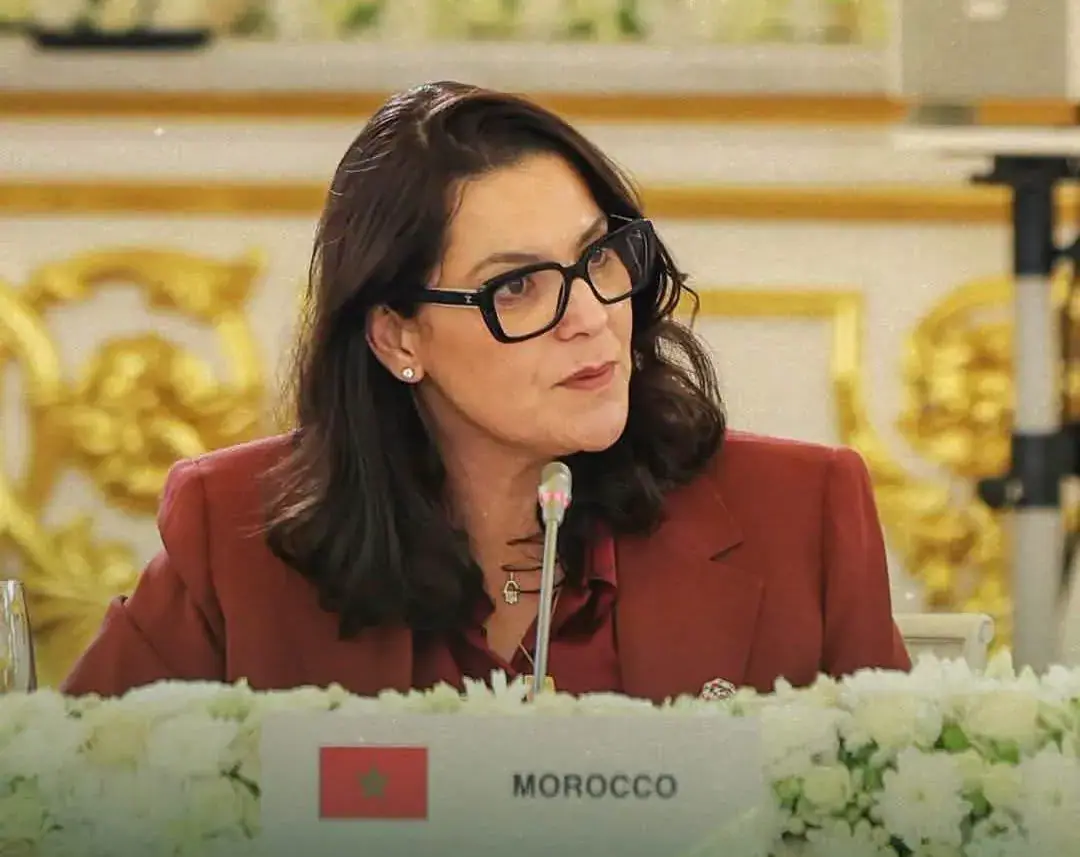
Moroccan Prime Minister Fatima Zahra El Mansouri recently attended the third Russian-African Summit in Moscow, where she represented Morocco. However, her decision to speak in French, a foreign language, has sparked controversy. According to the Moroccan constitution, Arabic is the official language of the country, and many argue that El Mansouri should have spoken in Arabic or the local dialect, Darija.
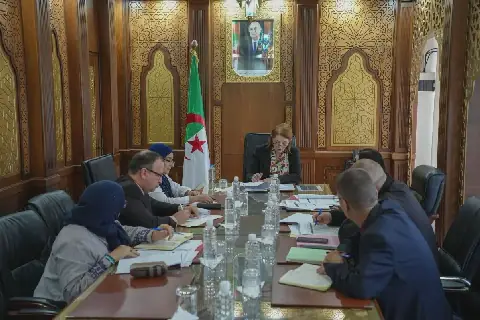
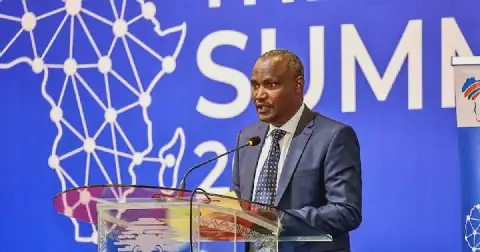
El Mansouri's choice of language was seen as unusual, especially given Morocco's complex history with France. Many Moroccans view France as a colonial power that has had a significant impact on their country's language, culture, and politics. In contrast, leaders from other African countries, including Algeria, Egypt, and Tunisia, spoke in their national languages at the summit.
The incident has sparked a wider debate about language and identity in Morocco. Many Moroccans feel that their country's language and culture should be represented and respected on the international stage. El Mansouri's decision to speak in French was seen as a departure from the norm, as previous Moroccan prime ministers, including Aziz Akhannouch, have spoken in Arabic or Darija when representing the country abroad.
The controversy highlights the complexities of Moroccan identity and the role of language in shaping national culture. Morocco has a rich cultural heritage, and its language is an important part of that heritage. The incident has sparked calls for greater attention to language and cultural representation in international diplomacy.
El Mansouri's defenders argue that she was simply using a widely spoken language to communicate with international leaders. However, critics argue that this approach can come at the cost of cultural identity and authenticity. The incident has sparked a wider conversation about the importance of language and cultural representation in international diplomacy.
The Russian-African Summit was an important event for Morocco, as it sought to strengthen ties with other African countries and Russia. However, the controversy surrounding El Mansouri's language choice has overshadowed the summit's achievements. The incident has highlighted the need for greater attention to language and cultural representation in international diplomacy.
In the end, the incident serves as a reminder of the complexities of Moroccan identity and the importance of language in shaping national culture. As Morocco continues to engage with the international community, it will be important for its leaders to find a balance between cultural representation and effective communication.
Key points
- Moroccan Prime Minister Fatima Zahra El Mansouri speaks in French at the Russian-African Summit, sparking controversy over her choice of language.
- The incident highlights the complexities of Moroccan identity and the role of language in shaping national culture.
- The controversy serves as a reminder of the importance of language and cultural representation in international diplomacy.