The recent elections in Morocco have resulted in a new political map, with the Authenticity and Modernity Party (PAM) emerging as a dominant force, led by Fouzi Lekjaa. The party's dynamic performance was credited with its success, while other parties, such as the National Rally of Independents (RNI) and the Justice and Development Party (PJD), experienced a significant decline. This development has sparked discussions about the future of the country's government and the challenges it will face.
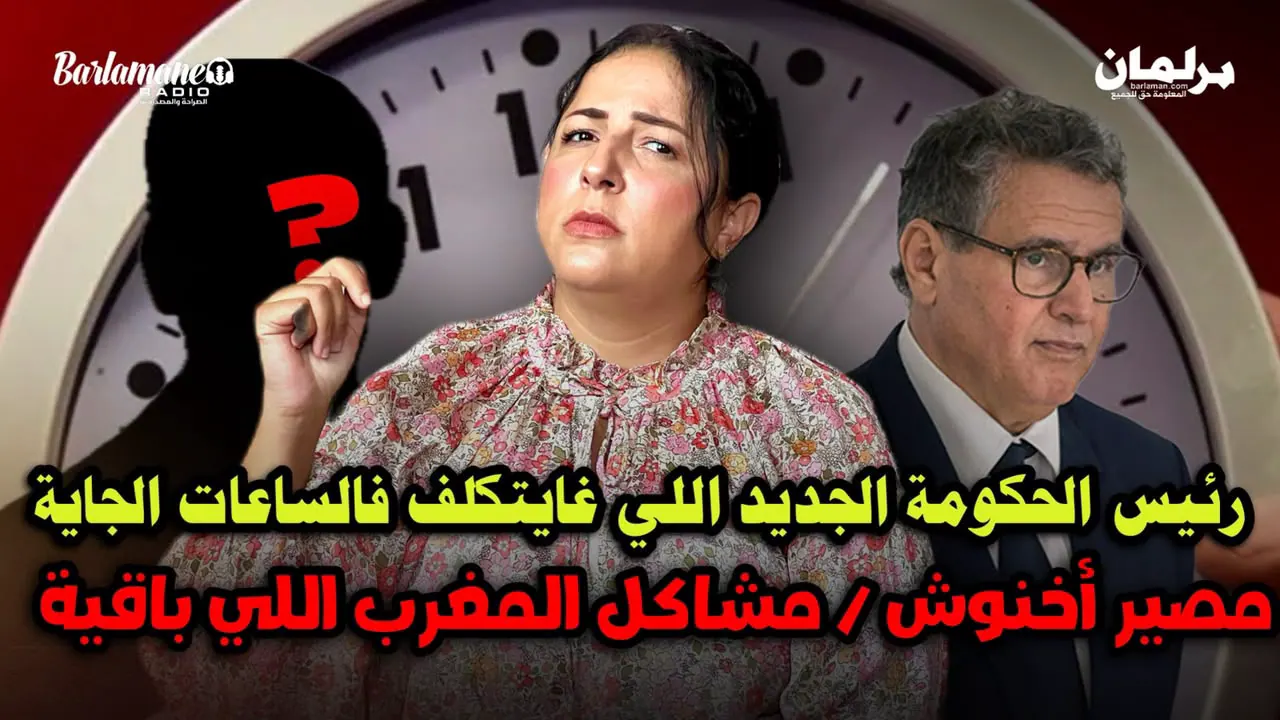
The outgoing Prime Minister, Aziz Akhannouch, has faced criticism for his economic policies, which have been accused of exacerbating the country's economic challenges, including rising fuel and food prices. Critics argue that his government's policies have widened the gap between the rich and the poor, and that a new approach is needed to address these issues. The media has highlighted the need for a more effective and responsive government.
The new government will face significant challenges, including the implementation of the autonomy plan, the organization of the 2028 World Cup, and the reform of the healthcare and education sectors. The prime minister will need to possess strong leadership skills, a deep understanding of the country's laws and geography, and the ability to communicate effectively with various stakeholders. The government's performance will be closely watched by Moroccans and international observers.
The composition of the new government is expected to be crucial in determining its success. There have been calls for a more inclusive government that brings together a diverse range of talents and experiences. The media has also highlighted the need for greater transparency and accountability in government, particularly in light of allegations of corruption and cronyism.
The issue of corruption and cronyism is a significant concern in Morocco, with some politicians and businessmen accused of accumulating wealth through questionable means. The Supreme Audit Institution has been urged to take a closer look at the financial dealings of some government officials, including Mohamed Mehdi Bensaid, who has been accused of accumulating wealth through corrupt practices.
The regional and international context is also an important consideration for the new government. Morocco's relations with Spain and other European countries will be critical, particularly in light of the migration crisis and the Western Sahara issue. The government will need to navigate these complex issues carefully to ensure that Morocco's interests are protected and promoted.
A government of national unity is likely to be formed, bringing together the PAM, the Istiqlal Party, and other political parties. This coalition is expected to provide a stable foundation for the new government, which will face significant challenges in addressing Morocco's economic and social issues. The government's success will depend on its ability to work effectively with various stakeholders and to develop policies that benefit all Moroccans.
Key points
- The new government will need to prioritize addressing Morocco's economic challenges, including rising fuel and food prices.
- The government will face significant challenges, including the implementation of the autonomy plan and the organization of the 2028 World Cup.
- The issue of corruption and cronyism is a significant concern in Morocco, and the government will need to take steps to address it.