In Morocco, politicians are being called upon to demonstrate accountability and transparency in the lead-up to the upcoming elections. Rather than shirking responsibility for their government's and parliament's performance, they are expected to show courage in presenting their records to voters and acknowledging areas for improvement. This entails discussing ways to address shortcomings and making amends, rather than simply raising slogans or expressing discontent with issues like inflation, unemployment, and corruption.
The concept of electoral responsibility in Morocco does not imply an immediate shift to opposition or an escalation of criticism as the election campaign approaches. Instead, it involves presenting a truthful account of accomplishments and challenges, and engaging in a constructive dialogue with voters about the future. By doing so, politicians can demonstrate their commitment to democratic values and their willingness to be held accountable for their actions.
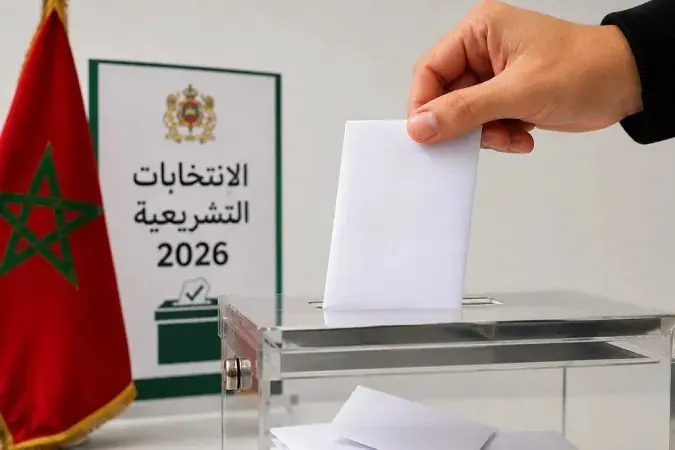
Ultimately, the decision on the fate of politicians lies with the voters, who will express their opinions through the ballot box. The democratic process relies on citizens making informed choices based on the performance of those in power. However, the tendency for politicians to evade responsibility and downplay their role in governance can undermine the integrity of the electoral process.
The reluctance to acknowledge shortcomings and provide a clear account of achievements can contribute to the proliferation of populist rhetoric, which often prioritizes emotional appeals over factual information. This can distract from meaningful discussions about the root causes of social issues and hinder efforts to address them effectively.
Recognizing failures and shortcomings is an essential aspect of transparency and accountability. It allows politicians to demonstrate their commitment to learning from mistakes and improving their performance. By acknowledging areas for improvement, politicians can show that they value honesty and are dedicated to serving the public interest.
The Moroccan electorate expects politicians to be truthful about their accomplishments and shortcomings. Rather than presenting a rosy picture or making unrealistic promises, politicians should provide a balanced assessment of their performance and outline their vision for the future. This approach can help build trust and foster a more informed and engaged citizenry.
As the election campaign unfolds, Moroccan politicians are expected to prioritize accountability and transparency. By doing so, they can demonstrate their commitment to democratic values and their willingness to be held accountable for their actions. Ultimately, this approach can help strengthen the country's democratic institutions and promote a more informed and engaged citizenry.
Key points
- Moroccan politicians are urged to take responsibility for their electoral outcomes and be transparent about their achievements and shortcomings.