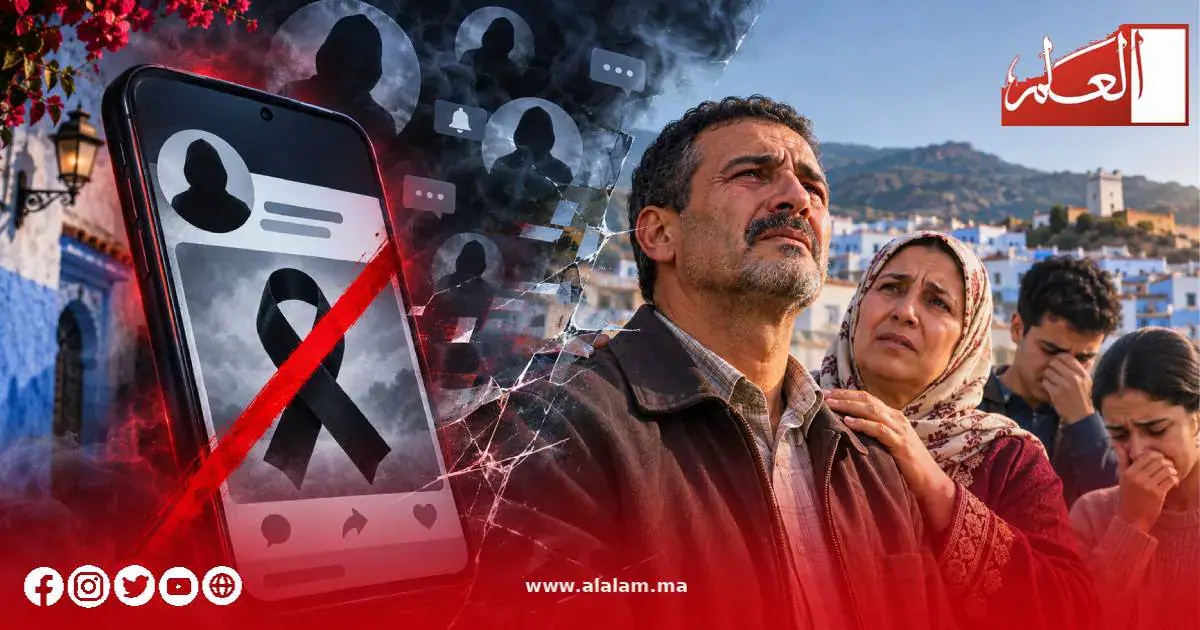
Moroccan political analyst Mohamed Yatfti has spoken out against the use of fake social media pages to spread misinformation and harm opponents. In a recent article, Yatfti discussed the case of a fake news report about the death of an independent councilor in the Akznaya community. The report was spread through fake social media pages, causing distress to the councilor's family and friends. Yatfti argues that such actions are unacceptable and demonstrate a lack of respect for human dignity and ethics.
Yatfti's comments highlight the growing concern about the use of social media to spread misinformation and harm opponents. He argues that political differences should not be used as an excuse to harm individuals or their families. Yatfti also emphasizes the importance of respecting human dignity and ethics in digital publishing. He believes that freedom of expression comes with responsibility and that individuals and media outlets have a duty to verify information before publishing it.
The case of the fake news report about the councilor's death has raised questions about the role of social media in spreading misinformation. Yatfti argues that social media platforms have a responsibility to prevent the spread of fake news and to protect individuals from harm. He also calls on individuals to be cautious when sharing information online and to verify its accuracy before sharing it.
Yatfti's article has sparked a wider debate about the ethics of digital publishing in Morocco. Many have expressed concern about the growing trend of spreading misinformation and harming opponents through social media. Others have called for greater regulation of social media platforms to prevent the spread of fake news.
The Moroccan government has taken steps to address the issue of misinformation and hate speech online. In 2020, the government passed a law that makes it a crime to spread false information that could harm individuals or society. However, critics argue that the law is too broad and could be used to suppress free speech.
Yatfti's comments have also sparked a discussion about the role of media outlets in promoting ethics and responsibility in digital publishing. Many media outlets have called for greater transparency and accountability in online publishing. Others have emphasized the importance of fact-checking and verifying information before publishing it.
The debate about ethics in digital publishing is ongoing in Morocco. Yatfti's article has contributed to a wider discussion about the importance of respecting human dignity and ethics in online publishing. As social media continues to play a growing role in Moroccan society, the need for responsible and ethical online behavior has become increasingly important.
Key points
- Moroccan political analyst Mohamed Yatfti criticizes the use of fake social media pages to spread misinformation and harm opponents.