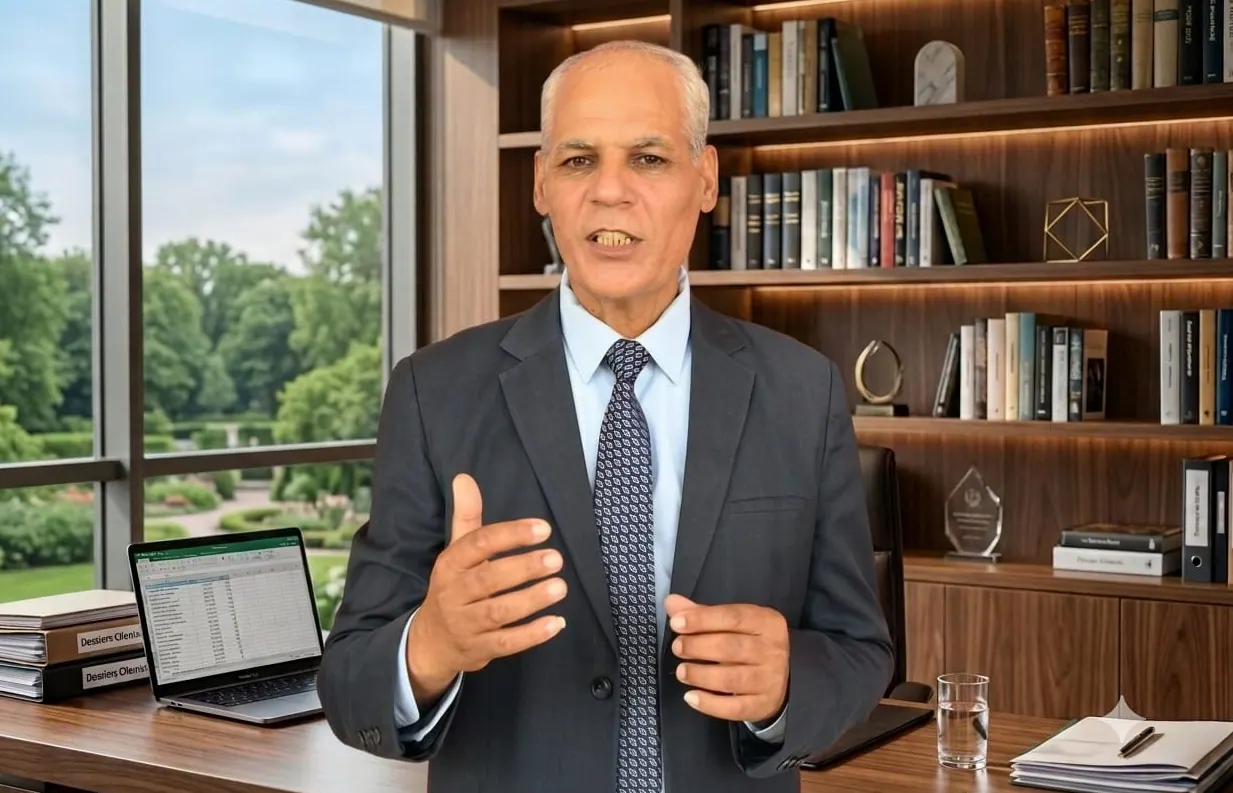
The recent elections in Morocco have led to a new political landscape, with the Parti Authenticité et Modernité (PAM) emerging as the leading party. According to Abdelfattah Fatihi, a political analyst, the PAM's victory, followed by the Rassemblement National des Indépendants (RNI) and the Parti de l'Istiqlal, suggests that the current coalition government may be reinstated. This coalition, led by the PAM, would allow for a continuation of the previous government's policies and programs.
Fatihi notes that the PAM, RNI, and Istiqlal parties have expressed their desire to continue their alliance, which would facilitate the formation of a new government. He believes that the distribution of ministerial portfolios will not be a major obstacle, as the government may include technocrats to ensure effective management of the country's affairs. The upcoming period will be crucial for Morocco, with major projects related to the World Cup and the implementation of the autonomy initiative in the Sahara region.
The PAM's program and that of the RNI share many similarities, which should facilitate an agreement on a new government program. According to Fatihi, reactivating the old coalition with a change in leadership in favor of the PAM would allow for the consolidation of previous gains and mobilization of efforts to improve governance. This approach would also provide better guarantees for the distribution of portfolios based on competence and merit.
However, the significant increase in the number of seats held by the Parti de la Justice et du Développement (PJD) could complicate the formation of a coalition government. With 54 seats, the PJD is likely to provide strong opposition to the future coalition government. Fatihi notes that this opposition could lead to increased pressure on the coalition to integrate other parties, such as the Mouvement Populaire (MP) or the Union Socialiste des Forces Populaires (USFP).
The analyst highlights that the PJD's opposition will be based on ideological differences and divergent views on key issues, including normalization with Israel and priorities for project implementation. The PJD's strong stance may lead to mobilization of public opinion against the coalition, which could impact the government's ability to implement its policies.
In light of these challenges, Fatihi suggests that a broader coalition government could be formed, incorporating other parties to ensure a comfortable majority. This approach would allow for a more collective and inclusive approach to governance, which could facilitate the implementation of major projects related to the World Cup and the autonomy initiative.
Ultimately, the formation of a new government coalition will depend on various factors, including negotiations between parties and the need for a stable and effective government. The coming period will be crucial in determining the future of Morocco's government and its ability to address the country's challenges.
Key points
- The PAM's victory in the recent elections may lead to a reinstated coalition government.
- The PJD's increased presence in parliament may lead to stronger opposition.
- A broader coalition government could be formed to ensure a comfortable majority.