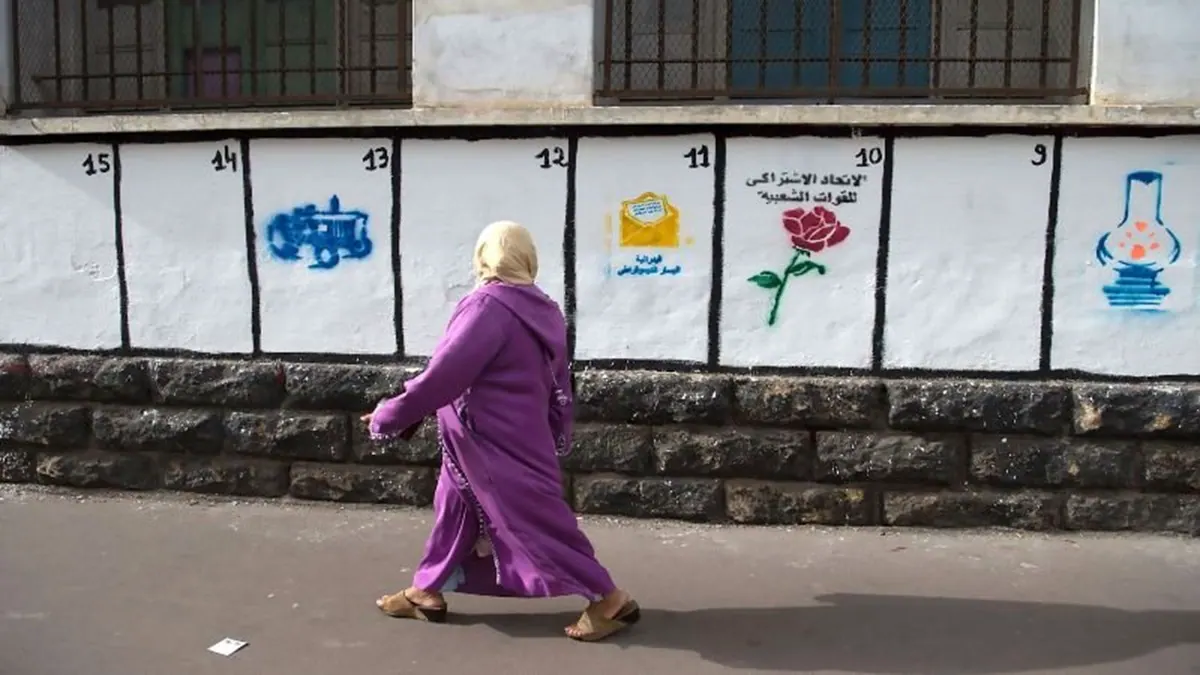
The use of symbols by Moroccan political parties dates back to the 1990s, when the country introduced a unified ballot paper for elections. Since then, these symbols have evolved to become an essential part of the parties' identities, with some being more iconic than others. The Independent Party, for instance, is represented by the scales of justice, while the Socialist Union of Popular Forces is symbolized by a rose.
According to researcher Chrifa Loumir, the adoption of symbols is closely linked to the single-ballot paper system, which was introduced to facilitate the voting process, particularly for illiterate voters. Over time, these symbols have taken on meanings that go beyond their technical function, with some parties choosing symbols that reflect their ideological orientation or values. For example, the rose is a common symbol in socialist and social democratic parties in Europe.
However, not all symbols have an ideological connotation. Some parties have chosen simple and easily recognizable symbols. Researcher Oussama Baji notes that Moroccan party symbols can be interpreted in multiple ways, as they not only serve an identificatory function but also produce a political discourse within a society with a rich history and collective experiences.
In today's digital age, the visual aspect of politics has become increasingly important. Party symbols are now displayed on television, social media, and printed materials, making them a crucial part of a party's communication strategy. This has led to a shift in the way parties interact with voters, with symbols becoming an integral part of their identity and message.
The meaning of a symbol can vary depending on the context and perspective. While a party may choose a symbol to represent a specific value or ideology, voters or opponents may interpret it differently. This has led to a dynamic where symbols can take on a life of their own, evolving over time to become part of the collective memory of Moroccan voters.
The 2002 elections marked a significant turning point in the use of symbols in Moroccan politics. With the introduction of a unified ballot paper, each party was assigned a unique symbol to help voters identify them. This led to a proliferation of symbols, with some parties opting for more creative and attention-grabbing designs.
As Moroccan politics continues to evolve, the role of symbols in shaping the electoral landscape is likely to remain significant. With the rise of social media and digital communication, parties will need to adapt their visual identities to effectively reach voters and convey their messages. Ultimately, the use of symbols has become an essential aspect of Moroccan politics, reflecting the country's complex history, cultural heritage, and ongoing democratic development.
Key points
- Moroccan political parties' symbols have become an integral part of the electoral landscape, often more recognizable than the parties' names or leaders.