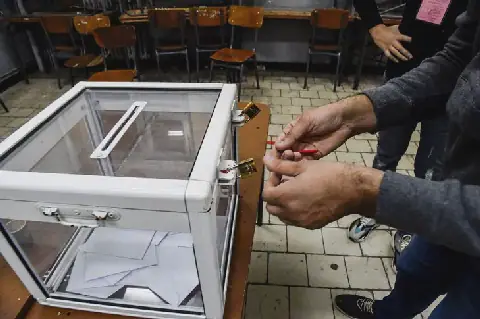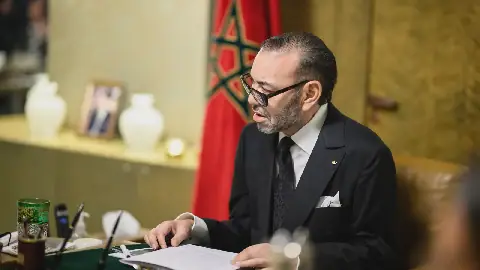
The recent legislative elections in Morocco have highlighted the need for a new generation of leaders within political parties. The elections saw a significant shift in the political landscape, with the Authenticity and Modernity Party emerging as the largest party. However, the real challenge lies in understanding the underlying factors that led to these results and what they mean for the future of Moroccan politics. The elections have exposed a disconnect between the parties and the people, with many Moroccans feeling disillusioned with the current political system.
The need for new leadership is not just about replacing old faces with new ones, but also about adopting a new approach to politics. The current system is characterized by a top-down approach, where decisions are made by a select few, and the rest are expected to follow. This approach has led to a lack of transparency, accountability, and inclusivity, which has contributed to the disillusionment of many Moroccans. A new generation of leaders must prioritize building trust with the people, by being more transparent, responsive, and inclusive.
The new leadership must also prioritize addressing the pressing issues facing Moroccan society, such as unemployment, corruption, and social inequality. The parties must develop policies that are tailored to the needs of the people, rather than just paying lip service to these issues. This requires a deep understanding of the needs and aspirations of Moroccans, as well as a willingness to engage in difficult conversations and make tough decisions.
The recent elections have also highlighted the importance of youth and women in Moroccan politics. The participation of young people and women in the electoral process has been increasing, and they are demanding more representation and inclusion in the political process. A new generation of leaders must prioritize the empowerment of youth and women, by providing them with opportunities to participate in decision-making and leadership positions.
The Authenticity and Modernity Party's emergence as the largest party has significant implications for Moroccan politics. The party's leader, Saadeddine El Othmani, has called for a new approach to politics, one that prioritizes transparency, accountability, and inclusivity. However, the party's success also raises questions about its ability to deliver on its promises and address the pressing issues facing Moroccan society.
The other parties, including the National Rally of Independents and the Justice and Development Party, must also undergo a process of self-reflection and renewal. They must assess their performance, identify their weaknesses, and develop new strategies to reconnect with the people. This requires a willingness to listen to criticism, engage in self-reflection, and make difficult decisions.
Ultimately, the future of Moroccan politics depends on the ability of its leaders to respond to the needs and aspirations of the people. The parties must prioritize building trust, addressing pressing issues, and empowering youth and women. By doing so, they can help to restore faith in the political system and create a more just and equitable society for all Moroccans.
Key points
- Moroccan political parties require a new generation of leaders to reconnect with society and address pressing issues.