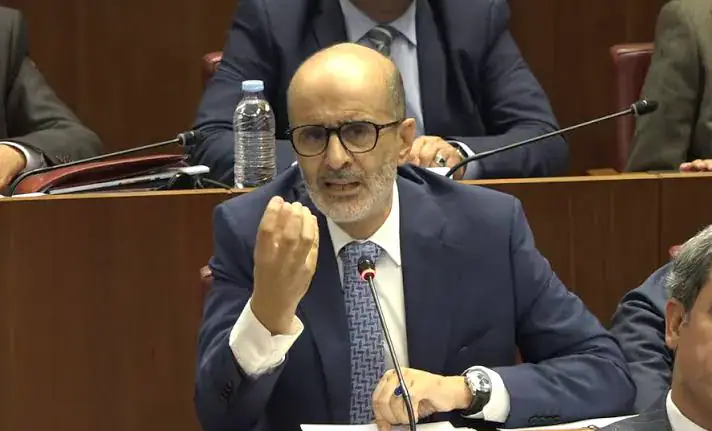
The Moroccan parliament's finance committee has reignited debate over subsidies for livestock imports during discussions on the 2027 finance bill. Opposition lawmakers are calling for the abolition of customs and tax exemptions for large importers of cattle, sheep, and red meat. They argue that these exemptions benefit only a select few and do not lead to lower prices for consumers.
Idris Al-Azmi, head of the Justice and Development party, strongly criticized the government's continued support for these exemptions, describing them as a form of "rent" that benefits large importers. He also labeled the subsidies as unjust and argued that they have not led to a decrease in meat prices, which have surpassed 200 dirhams per kilogram. Al-Azmi proposed instead that the government support small and medium-sized farmers to preserve the national livestock.
Al-Azmi also questioned the effectiveness of the government's plan to establish six regional companies to collect and distribute agricultural products. He expressed concerns that the plan may not effectively address price control and reduce the role of middlemen in the market. Additionally, Al-Azmi criticized the 2027 finance bill for prioritizing budgetary measures over economic and financial considerations.
Rima Chatt, head of the Movement party, expressed concerns about the optimistic growth projections in the finance bill, citing the impact of climate change on grain production and the potential effects of geopolitical developments on energy prices. She also criticized the reduction in budget allocations for supporting basic food items and called for immediate measures to combat speculation and middlemen in the food distribution chain.
Chatt requested that the government collaborate with the opposition to establish a fact-finding committee to investigate the allocation of public support and the beneficiaries of rising prices. She emphasized that activating parliamentary oversight would enhance trust in institutions and hold individuals accountable for their actions.
Yassine Akasha, head of the National Rally of Independents party, questioned the actual value of the 62 billion dirham financial envelope announced by the government. He argued that it includes varied commitments, some of which are continuations of existing reforms, and does not represent a unified package of additional social allocations.
Akasha also expressed concerns about the postponement of certain social commitments until 2031, including reforms to income tax and increases in minimum pensions and direct social support. He emphasized the need for a clear plan to finance new social commitments and reduce the tax burden.
Key points
- Moroccan lawmakers demand abolition of subsidies for livestock imports
- Opposition lawmakers criticize government's support for large importers
- Parliamentarians call for support to small and medium-sized farmers