The Moroccan parliament is set to convene its first session of the new legislative year on October 9, marking the beginning of the 12th legislative term. King Mohammed VI will deliver a speech outlining the new phase following the September 23 elections. This session is highly anticipated as it will be the first test for the new parliamentary composition. Citizens expect tangible answers to pressing issues such as employment, purchasing power, healthcare, and education.
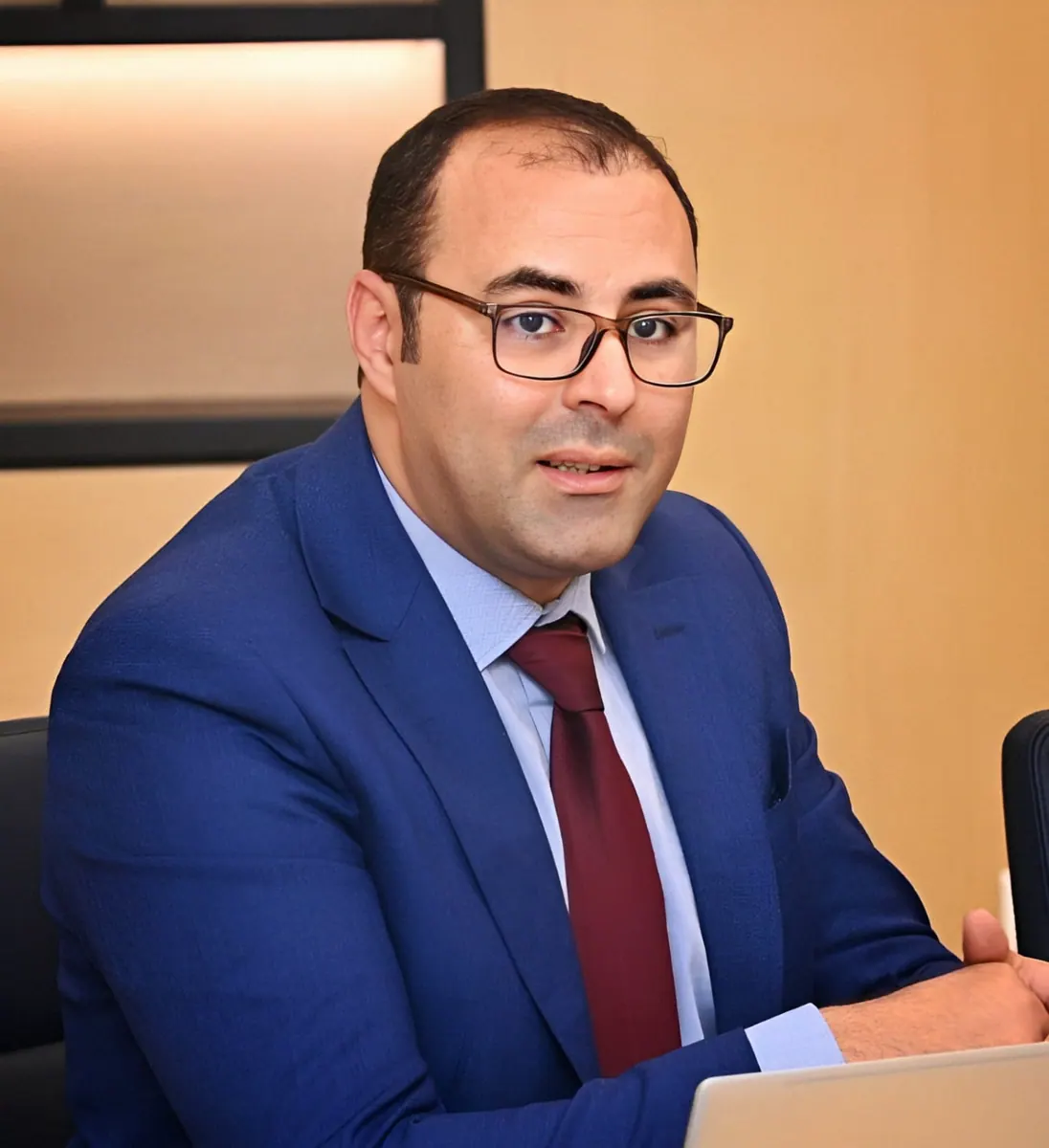
According to Badr Azhar, a professor of business law at the University of Hassan II, the expectations from this parliamentary session are significant. He emphasized that the parliament's performance will be judged on its ability to address these issues through legislation, oversight, and budget discussions. Azhar noted that the 2027 finance bill will be the first major test for the new parliamentary composition, as it will reveal priorities, funding allocations, and the impact of public spending on various sectors.
Azhar highlighted the importance of a realistic discussion on the assumptions underlying the finance bill, the efficiency of proposed expenditures, and the fairness of their distribution across different regions and social groups. He warned that the parliament should not limit its discussion to the size of allocations or general political positions. Instead, it should focus on the substance and ensure that public funds are allocated effectively.
Given the current international economic uncertainty, Azhar stressed that the parliamentary debate should consider potential increases in energy and raw material costs, trade disruptions, and changes in financing conditions. He advocated for a cautious budget approach with a margin to handle potential shocks. Additionally, he suggested that improving resource collection, expanding the tax base fairly, and reviewing unnecessary expenditures and privileges are crucial.
On the economic front, Azhar emphasized the need to prioritize job creation, particularly for young people. He suggested that the relationship between investment and job opportunities should be scrutinized, including the number of stable positions created and the share of Moroccan companies in projects. Azhar also called for support for small and medium-sized enterprises, addressing delayed payments, and improving investment conditions.
Socially, Azhar noted that citizens expect to see improvements in services, particularly in healthcare and education. He advocated for expanding social protection, enhancing hospital infrastructure, and providing necessary medical supplies. Azhar also emphasized the need for increased budget allocation for education to reflect positively on learning quality and school conditions.
Ultimately, Azhar believes that the real challenge for the new parliamentary session is to regain public trust. This can be achieved through serious discussions, proposing feasible amendments, and monitoring the government's actions based on clear commitments. Citizens need to see fairness in burden distribution, transparency in priorities, and measurable results, which will be the true test of this session and the 2027 finance bill.
Key points
- The Moroccan parliament's new session will focus on addressing pressing issues like employment and healthcare.
- The 2027 finance bill will be a critical test for the new parliamentary composition.
- Citizens expect tangible improvements in services and a fair distribution of resources.