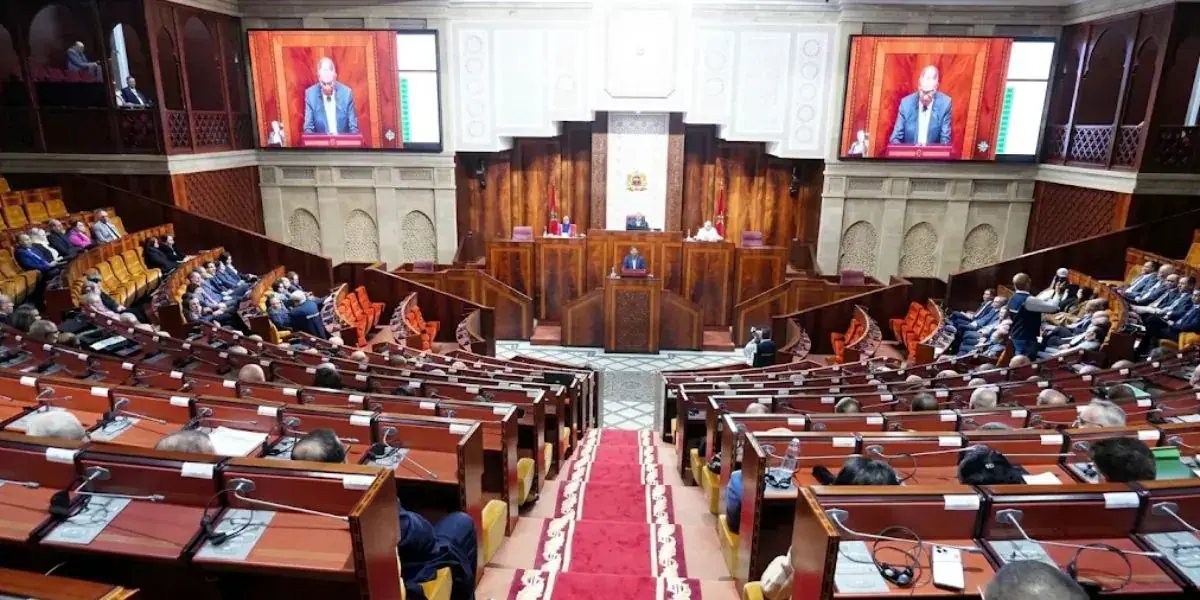
Morocco's House of Representatives approved the first part of the 2027 finance bill with a majority vote on Saturday. The bill was passed with 179 votes in favor and 126 against, with no abstentions. The finance committee of the lower house had previously approved the bill on Thursday with 23 votes in favor and 17 against. The bill will now move to the Senate for further deliberation.
The opposition parties had proposed several amendments to the bill, including the removal of permanent exemptions from import duties on livestock and meat. However, these amendments were not approved by the government. Finance Minister Fouzi Lekjaa stated that the current economic situation does not allow for the re-imposition of these duties, given the decline in national livestock and continued shortages and price increases.
The opposition's proposed amendments also included expanding the scope of a 40% corporate tax rate to include telecommunications and cement companies with annual net profits of over 100 million dirhams. Additionally, they suggested increasing the internal consumption tax on stimulant drinks and sugar, and imposing a progressive customs duty on imported drugs based on local manufacturing levels. However, these proposals were not approved.
The 2027 finance bill aims to promote economic growth and social development in Morocco. The government has stated that the bill is designed to address the country's economic challenges and improve the business environment. The finance minister emphasized that the government will work to eliminate the chaos of mediation and combat rent-seeking by ending the licensing system and opening up several activities to everyone on a level playing field.
Prime Minister Fatima Zahra El Mansouri represented King Mohammed VI at the 20th Francophonie Summit in Cambodia on Saturday. The summit, which took place on November 15-16, brought together leaders from Francophone countries to discuss global issues and promote cooperation. El Mansouri's participation in the summit highlights Morocco's commitment to international cooperation and its role in the Francophone community.
The approval of the 2027 finance bill comes amid efforts by the Moroccan government to promote economic growth and stability. The country has been working to address economic challenges, including high unemployment and inflation. The finance bill is expected to play a key role in the government's efforts to stimulate economic growth and improve living standards.
The Moroccan parliament's approval of the 2027 finance bill marks an important step in the country's budget planning process. The bill will now be reviewed by the Senate before being implemented. The government's efforts to promote economic growth and social development are expected to have a positive impact on the country's economy and citizens' lives.
Key points
- The Moroccan government aims to promote economic growth and social development through the 2027 finance bill.
Reporting sources
- بالأغلبية.. مجلس النواب يصادق على الجزء الأول من مشروع قانون المالية 2027 · Al Ahdath Al Maghribia