The National Observatory for Protection against Digital Violence in Morocco has warned of an increase in digital violence and deepfake technology. As part of the international 16-day campaign against gender-based violence, the observatory announced its engagement in the struggle, citing a significant and dangerous shift in digital violence in the country.
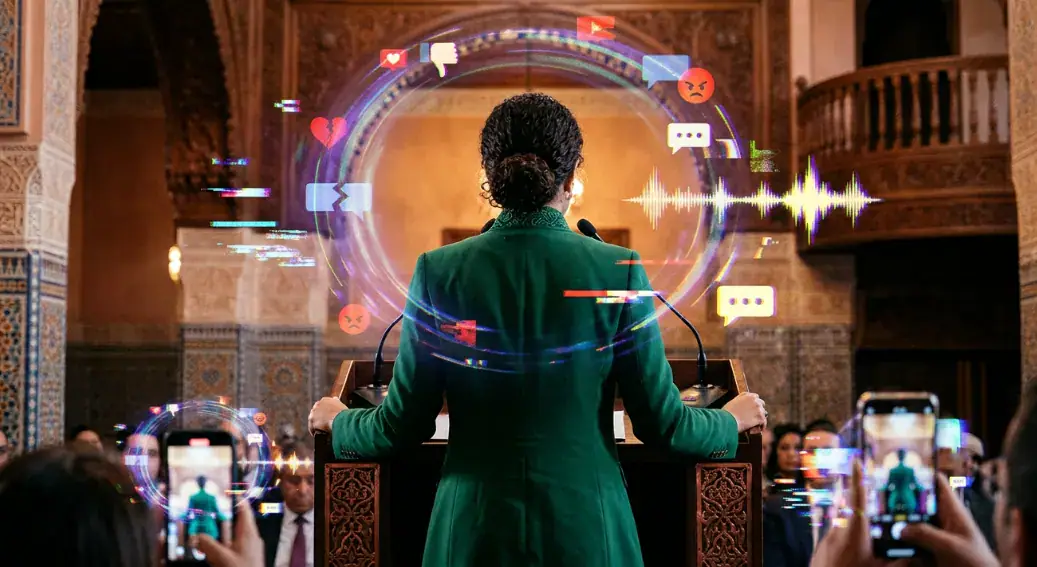
The observatory has documented a rise in complex forms of digital violence, including orchestrated defamation campaigns and violent attacks targeting female politicians, elected officials, and public figures. These attacks aim to discourage them from participating in politics and civic life and to marginalize their voices.
Thousands of young women and girls in Morocco experience daily silent suffering in digital spaces, including harassment, electronic extortion, and tracking without consent. The situation worsens with the growing use of generative artificial intelligence technologies to produce and publish offensive content, such as deepfakes.
The observatory has urged the government to enact specific legislation to combat digital violence and regulate artificial intelligence. This legislation should address the gaps in current laws, such as Law 103.13, and provide clear and deterrent provisions that criminalize the misuse of AI and deepfake technology against women's dignity and image.
The observatory emphasized the state's obligations to prevent and protect, provide redress, and ensure women's access to justice. It called for effective mechanisms for psychological, legal, and social support for victims, as well as the right to individual redress and rehabilitation.
The observatory also stressed the importance of improving intervention mechanisms for security and judicial authorities to keep pace with technological challenges. This includes enhancing the capabilities of cells that deal with violence against women and providing them with modern technical means and specialized digital expertise.
The observatory highlighted the need to promote digital education and awareness, including integrating digital citizenship and cybersecurity into educational curricula. It also called for intensifying institutional awareness campaigns to encourage young women and girls to report violence without fear of social stigma.
Key points
- The observatory's call for a special law to protect women and girls from digital violence aims to address the growing threat of online defamation and harassment.
- The proposed legislation would provide clear and deterrent provisions to criminalize the misuse of AI and deepfake technology against women's dignity and image.
- The observatory emphasized the state's obligations to prevent and protect, provide redress, and ensure women's access to justice.
Reporting sources
- مرصد يدعو لحماية السياسيات من حملات التشهير الممنهج · Al Ahdath Al Maghribia