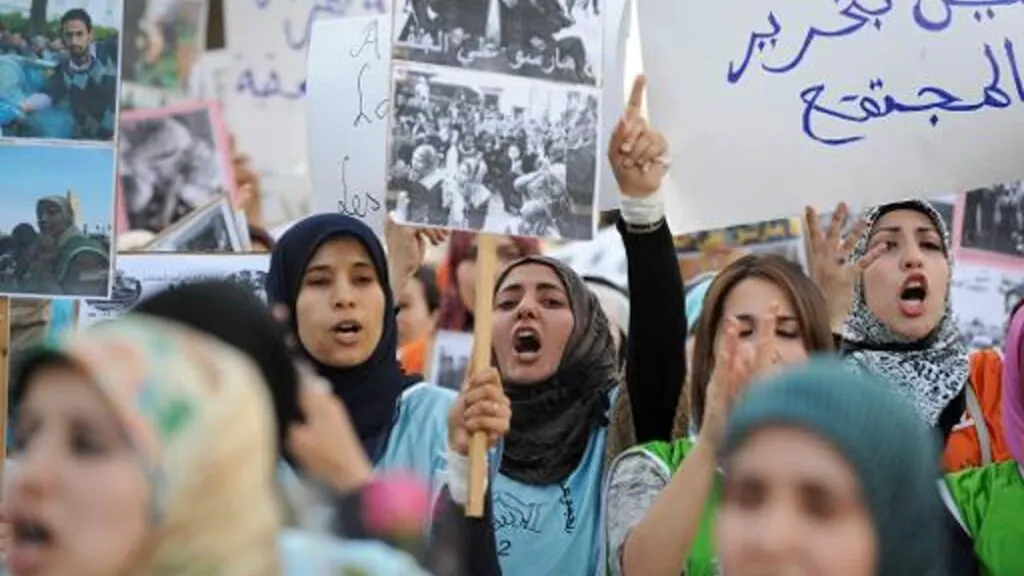
A group of Moroccan mothers gathered in front of the Parliament in Rabat on Saturday, calling for the release of their sons who were detained during last year's GenZ 212 protests. The protests, which began as a movement to demand reforms in the health and education sectors, had turned violent in some instances, resulting in three deaths near Agadir. The mothers, including Bouchra Najjari, 53, expressed their exhaustion and frustration, with Najjari stating that she can no longer balance her work and visits to her son in prison.
The GenZ 212 movement, which emerged on social media, organized protests that lasted for two weeks, with some gatherings turning violent. Hakim Sikouk, coordinator of the national committee in support of GenZ 212 detainees, stated that nearly 750 young people, including minors, are still incarcerated, with some yet to be tried. Sikouk highlighted irregularities in the prosecution and emphasized the need for their release. The committee has been monitoring the situation and advocating for the rights of the detained individuals.
According to the public prosecutor, over 2,400 people, including approximately 1,400 in detention, were being prosecuted for violent acts related to the GenZ 212 protests. Moroccan courts have already handed down prison sentences, both firm and suspended, to hundreds of people, including dozens of minors. Saadia Ben Ziania, whose 15-year-old grandson was arrested a year ago, appealed to King Mohammed VI for his release.
The protests had been largely peaceful, but two nights of violence and clashes had resulted in significant damage. The mothers who gathered in Rabat demanded that the authorities release their sons, citing the hardship and suffering they have endured. They called for an end to the detention of minors and an examination of the prosecution's handling of the cases.
The issue has garnered attention from human rights groups and advocates, who have expressed concerns about the detention of minors and the prosecution's procedures. The Moroccan government has faced criticism for its handling of the GenZ 212 protests and the subsequent detention of hundreds of individuals.
In a related development, the situation in the Democratic Republic of Congo has been marked by concerns over the resurgence of the Ebola virus. The Institut national de santé publique (INSP) has called for improved coordination and preparedness to manage potential epidemics. Experts have emphasized the importance of addressing environmental factors that contribute to the emergence of zoonoses.
Meanwhile, in other news, the Congolese Minister of Mines, Louis Watum Kabamba, has emphasized the need to create jobs for Congolese citizens through the development of the Lobito Corridor. The project aims to leverage economic activity and provide opportunities for professional growth. The issue of job creation has become a key aspect of the project's expected outcomes.
Key points
- Nearly 750 young people, including minors, remain incarcerated in Morocco following the GenZ 212 protests.
- Moroccan mothers are demanding the release of their sons, citing hardship and suffering.
- The situation has raised concerns about human rights and the prosecution's handling of the cases.