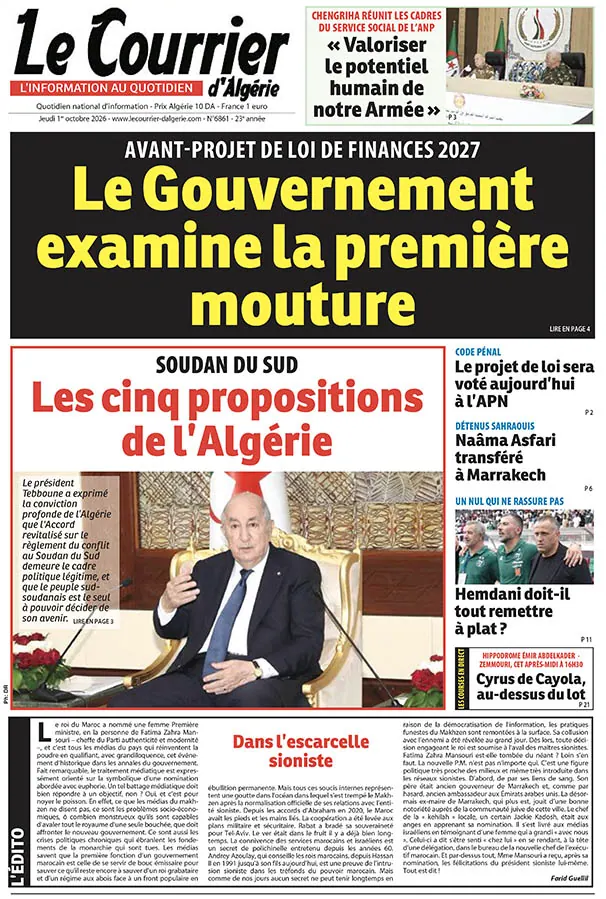
On October 1, 2026, the King of Morocco made a historic appointment by naming Fatima Zahra Mansouri as the country's first female Prime Minister. Mansouri, the leader of the Authenticity and Modernity Party, has been making headlines with her appointment being hailed as a significant milestone in Moroccan politics. However, amidst the celebrations, several socio-economic challenges await the new government. These challenges have been a persistent concern for the country and will likely require immediate attention from the new administration.
Mansouri's appointment has been met with widespread media coverage, with many outlets describing the event as a historic moment for Morocco. The reaction has been overwhelmingly positive, with many hailing the move as a step forward for women's representation in politics. However, some have raised concerns that the media frenzy surrounding Mansouri's appointment may be intended to divert attention away from the country's more pressing issues. These include chronic political crises and socio-economic problems that have been plaguing the country.
The new government will have to navigate a complex web of challenges, including a struggling economy and a rise in social unrest. The country's monarch has been facing increasing pressure from a restless population, with many demanding reforms and greater accountability. Against this backdrop, Mansouri's appointment has raised questions about the government's priorities and its ability to address the country's deep-seated problems.
Mansouri's background and connections have also raised eyebrows. Her father was a former governor of Marrakech and ambassador to the United Arab Emirates. Additionally, she has been praised by the Jewish community in Marrakech, where she previously served as mayor. Her close ties to certain groups have sparked concerns about her ability to remain impartial and address the needs of all Moroccans.
The appointment has also been seen as a significant development in the context of Morocco's relations with Israel. The country has been strengthening its ties with Israel since the Abraham Accords in 2020. Critics argue that this has come at the cost of Morocco's sovereignty, with some accusing the government of being overly influenced by Israeli interests. Andrey Azoulay, a long-time advisor to the Moroccan monarch, has been cited as an example of the close ties between the two countries.
Mansouri's nomination was also welcomed by Israeli President, who congratulated her on her appointment. This has further fueled concerns about the influence of Israeli interests in Moroccan politics. While Mansouri's supporters argue that she has the skills and experience to navigate these complex issues, critics remain skeptical about her ability to balance competing interests and prioritize the needs of all Moroccans.
As Mansouri takes on her new role, she will have to walk a fine line between addressing the country's pressing socio-economic challenges and navigating the complex web of international relations. With many questioning the government's priorities and influence, Mansouri's appointment has set the stage for a challenging and potentially tumultuous period in Moroccan politics.
Key points
- The appointment of Fatima Zahra Mansouri as Morocco's first female Prime Minister has been hailed as a historic moment, but it also comes with significant challenges.
- Mansouri's background and connections have raised concerns about her ability to remain impartial and address the needs of all Moroccans.
- The appointment has also been seen as a significant development in the context of Morocco's relations with Israel, with some accusing the government of being overly influenced by Israeli interests.