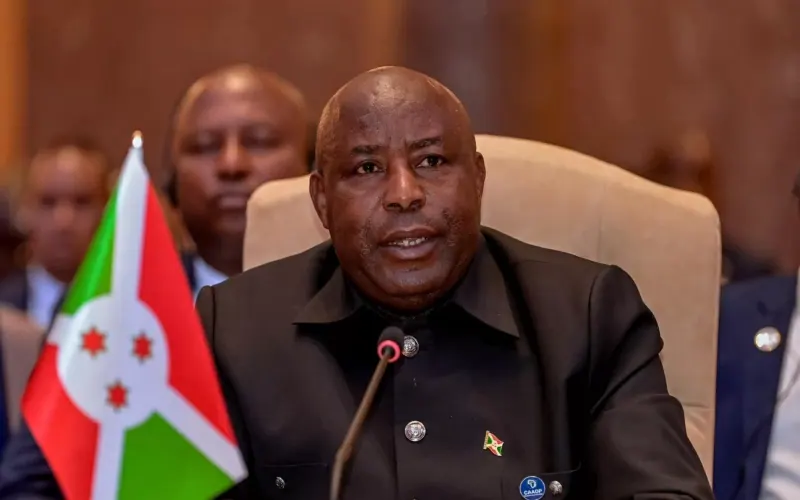
Burundi has announced its decision to receive migrants deported from the United States, joining a growing list of African nations participating in President Donald Trump’s third-country removal scheme. The announcement was made by Nancy Mutoni, spokesperson for President Evariste Ndayishimiye, on Tuesday. According to Mutoni, Burundi will only accept individuals who have not been charged with crimes and have no links to terrorism. This move is intended to deepen Burundi’s ties with the United States while offering a safe haven for people in need.
The government has not disclosed the number of migrants it expects, the timing of arrivals, or whether the United States will provide any financial compensation. Preparations are under way to identify suitable accommodation and integration measures for any incoming migrants, including housing, food, and community placement. The arrangement is part of a broader effort by the Trump administration to intensify removals as part of its immigration crackdown, targeting people who have violated immigration rules, overstayed visas, or are deemed public-safety concerns.
Migrants who settle in Burundi would be eligible to apply for citizenship under existing Burundian law, provided they meet legal requirements and contribute to national development. This offers a potential long-term solution for individuals who may have been displaced or are seeking a new life. Burundi now joins Rwanda, Uganda, Ghana, Eswatini, and South Sudan, which have previously signed similar agreements with the United States.
The Trump administration has been actively engaging with African governments to implement its third-country deportation program. Other African governments, including Sierra Leone, Equatorial Guinea, and the Central African Republic, have also been involved in the U.S. third-country scheme. The program has raised concerns among human-rights experts, who warn that transferring migrants to third countries can undermine legal protections and expose them to new risks.
Human-rights experts advising the UN Human Rights Council have expressed concerns about the potential risks faced by migrants under the third-country deportation program. They argue that such arrangements can lead to inadequate living conditions, limited access to basic services, and increased vulnerability to exploitation. As Burundi prepares to receive deportees, it will be essential to ensure that adequate measures are in place to protect their rights and well-being.
The decision by Burundi to participate in the U.S. deportation program reflects a broader trend among African governments to engage with the Trump administration on immigration issues. While some countries have expressed concerns about the program, others have seen it as an opportunity to strengthen ties with the United States and provide a safe haven for individuals in need. As the program continues to evolve, it will be crucial to monitor its impact on migrants and host countries.
The implementation of the third-country deportation program in Burundi and other African countries raises important questions about the future of international cooperation on immigration issues. As governments navigate the complexities of migration management, it will be essential to prioritize the rights and well-being of migrants, while also addressing the root causes of displacement and migration. By working together, governments can develop more effective and humane solutions to the challenges posed by migration.
Key points
- Burundi has agreed to accept migrants deported from the United States under President Donald Trump’s third-country removal scheme.
- The country will only accept individuals who have not been charged with crimes and have no links to terrorism.
- Migrants who settle in Burundi will be eligible to apply for citizenship under existing Burundian law.