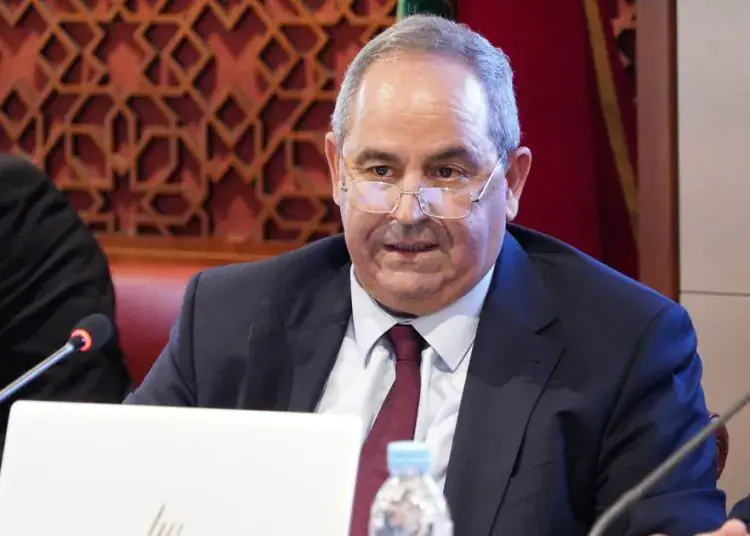
Moroccan Higher Education Minister Azzedine El Midaoui sparked controversy during a parliamentary session on October 27, 2026, when he used the term "Mongolian marriage" to describe students studying, living, and remaining in the same region. El Midaoui made the remark while responding to a question about establishing a university in Drâa-Tafilalet. He argued that creating a university in every province would not encourage student mobility, which he believes is essential for knowledge and personal development.
El Midaoui's expression prompted widespread criticism from disability rights advocates, who linked it to outdated terminology historically used to describe people with Down syndrome. The Moroccan Organization for the Rights of Women with Disabilities condemned the expression as discriminatory and racist, stating that it reduces people to their biological and ethnic characteristics. The organization argued that such language conflicts with the principles of equality and human dignity enshrined in Morocco's Constitution.
The Moroccan Organization for the Rights of Women with Disabilities called on El Midaoui to issue an immediate and formal public apology to people with disabilities, their families, and the Moroccan public from inside Parliament. The group also urged the speaker of the House of Representatives and relevant committees to remove the expression from the official record of the session. Furthermore, they asked the head of government to take a firm stance and hold the minister accountable for his remarks.
Disability rights activist Samira Bakhti Saadi criticized El Midaoui's choice of words, arguing that public officials should protect citizens' rights rather than reinforce stereotypes. Meanwhile, writer and activist Kamal Saidi supported the minister's broader argument about university mobility but stressed the need for adequate scholarships to help students who move away from home pursue their studies with dignity.
El Midaoui apologized for using the expression, addressing people with Down syndrome and their families. He said he had not intended to offend them and acknowledged that his choice of words was inappropriate. The minister explained that he had used the expression while discussing regional equity in higher education and student mobility, adding that limited speaking time had prevented him from fully explaining his argument.
The incident highlights the need for public officials to be mindful of their language and its potential impact on vulnerable groups. Morocco has committed to fighting discrimination through its Constitution and international obligations, including the Convention on the Rights of Persons with Disabilities. The backlash against El Midaoui's remark demonstrates the growing awareness of disability rights in Morocco and the importance of promoting inclusive language.
The controversy surrounding El Midaoui's remark has sparked a necessary conversation about language, disability rights, and social inclusion in Morocco. As the country continues to develop its education system, it is essential to prioritize inclusivity, equity, and respect for all citizens. The incident serves as a reminder of the importance of thoughtful communication and the need for public officials to set an example in promoting a culture of respect and empathy.
Key points
- Moroccan Higher Education Minister Azzedine El Midaoui used a term linked to outdated terminology for people with Down syndrome, sparking widespread criticism from disability rights advocates.
- The Moroccan Organization for the Rights of Women with Disabilities condemned the expression as discriminatory and racist, calling for an immediate and formal public apology from El Midaoui.
- El Midaoui apologized for his remark, acknowledging that his choice of words was inappropriate and pledging to be more mindful in the future.