Moroccan Budget Minister Fouzi Lekjaa has shut down proposals to cap fuel prices or reinstate subsidies, stating that the government will not pursue these options despite rising international prices. During a discussion of the finance bill in the House of Representatives' finance committee, Lekjaa emphasized that returning to subsidies would cost the state between 50 and 70 billion dirhams. He argued that this money would be better spent on hospitals and public services.
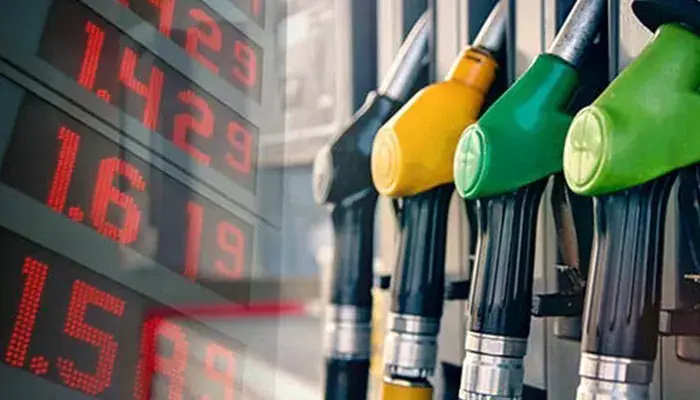
Lekjaa provided data on international prices, revealing that the price of oil has reached $110 per barrel and gas oil has reached $1,400 per ton, compared to $693 last year. He also addressed criticism of fuel companies' profits, presenting numerical data comparing 2017 and 2025. In 2017, the transaction figure was 99.5 billion dirhams, with profits of 8.5 billion dirhams, representing an 8.6% profit margin.
In contrast, 2025 saw a transaction figure of 131.3 billion dirhams, with profits of 7.69 billion dirhams, representing a 5.85% profit margin. Lekjaa stressed that profit margins vary between companies depending on storage methods, purchasing strategies, and timing of deals. He noted that some companies buy and store fuel for three months, taking on risks related to price fluctuations.
Regarding the restart of the "Samir" refinery, Lekjaa considered that the file requires significant investments, technical challenges, and major economic hurdles to make the refinery competitive. He called for an in-depth discussion of the file with the Ministry of Energy to assess its economic viability. Lekjaa emphasized that the real solution to imbalances lies in promoting free competition and developing strategic storage capacities.
Lekjaa's comments come as Morocco faces rising fuel prices and concerns about the impact on citizens. The government's decision not to cap prices or reinstate subsidies reflects its efforts to manage the country's budget and economy. The minister's emphasis on competition and strategic storage suggests that the government is seeking long-term solutions to address fuel price volatility.
The issue of fuel prices and subsidies is a sensitive topic in Morocco, with many citizens calling for relief from rising costs. However, Lekjaa's statements suggest that the government is prioritizing fiscal responsibility and economic sustainability over short-term measures to alleviate price pressures. The debate over fuel prices and subsidies is likely to continue in Morocco.
Lekjaa's statements have sparked reactions from various stakeholders, including parliamentarians and citizens. While some have expressed concerns about the impact of high fuel prices, others have welcomed the government's commitment to economic prudence. The discussion around fuel prices and subsidies is expected to continue in the coming weeks, with the government facing pressure to balance economic stability with social concerns.
Key points
- Morocco's Budget Minister Fouzi Lekjaa rejects proposals to cap fuel prices or reinstate subsidies.
- The government cites high international prices and budget constraints as reasons for its decision.
- Lekjaa emphasizes the need for long-term solutions, including promoting free competition and developing strategic storage capacities.