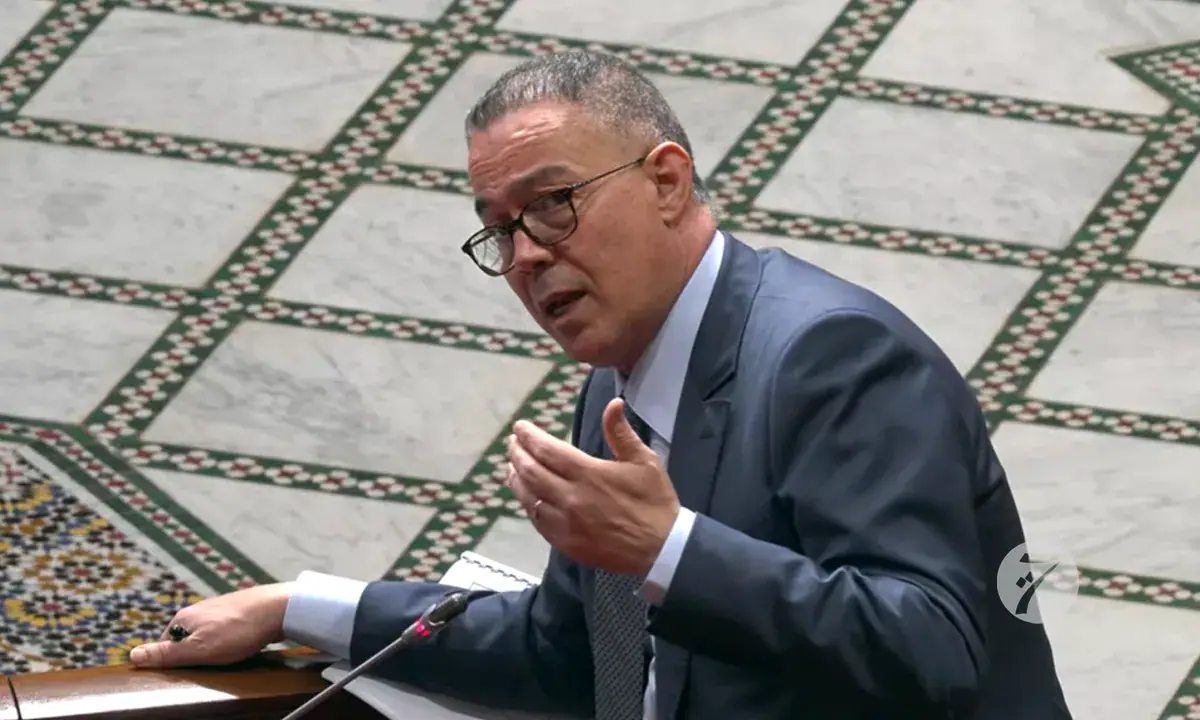
Moroccan Finance Minister Fozzi Lekjaa announced that fuel prices in Morocco are expected to decline on November 16. This decrease is attributed to the recent global market trends, which have seen a downturn in fuel prices. The minister made these remarks while defending a proposal to raise the tax on fuel companies to 40%. He emphasized that the tax increase would not impact fuel prices, which are largely influenced by global market conditions and international events.
Lekjaa's statement comes as a relief to Moroccan citizens, who have been experiencing high fuel prices in recent times. The global market trends have been affecting fuel prices worldwide, and Morocco is no exception. The minister's assurance that the tax increase would not affect fuel prices is likely to alleviate concerns among citizens and businesses. The government's decision to raise the tax on fuel companies has been met with criticism from some quarters, but the minister's explanation is aimed at addressing these concerns.
The proposed tax increase on fuel companies has been a contentious issue in Morocco. The government has argued that the increase is necessary to generate revenue, but critics have claimed that it would lead to higher fuel prices. Lekjaa's statement has clarified that the tax increase would not impact fuel prices, which are determined by global market trends. This has helped to alleviate concerns among citizens and businesses, who were worried about the potential impact on their fuel bills.
The global fuel market has been experiencing significant fluctuations in recent times. The COVID-19 pandemic and geopolitical tensions have contributed to the volatility in fuel prices. Morocco, like many other countries, has been affected by these trends. The government's decision to raise the tax on fuel companies is part of its efforts to generate revenue and reduce its budget deficit. However, the minister's assurance that the tax increase would not impact fuel prices has helped to alleviate concerns among citizens.
The Moroccan government has been taking steps to mitigate the impact of global market trends on fuel prices. The government has implemented measures to reduce its budget deficit, including increasing taxes on fuel companies. However, the minister's statement has clarified that these measures would not impact fuel prices, which are determined by global market trends. This has helped to alleviate concerns among citizens and businesses, who were worried about the potential impact on their fuel bills.
The decrease in fuel prices on November 16 is expected to provide relief to Moroccan citizens. The minister's statement has confirmed that the government is working to mitigate the impact of global market trends on fuel prices. The government's efforts to generate revenue and reduce its budget deficit are ongoing, but the minister's assurance that the tax increase would not impact fuel prices has helped to alleviate concerns among citizens.
The Moroccan government's efforts to manage fuel prices are ongoing. The minister's statement has provided clarity on the government's plans to mitigate the impact of global market trends on fuel prices. The decrease in fuel prices on November 16 is expected to provide relief to Moroccan citizens, who have been experiencing high fuel prices in recent times. The government's efforts to generate revenue and reduce its budget deficit will continue, but the minister's assurance has helped to alleviate concerns among citizens.
Key points
- Moroccan Finance Minister Fozzi Lekjaa confirms fuel prices will decrease on November 16 due to global market trends.
Reporting sources
- تأكيد بتراجع أسعار المحروقات يوم 16 نونبر · tanja7.com