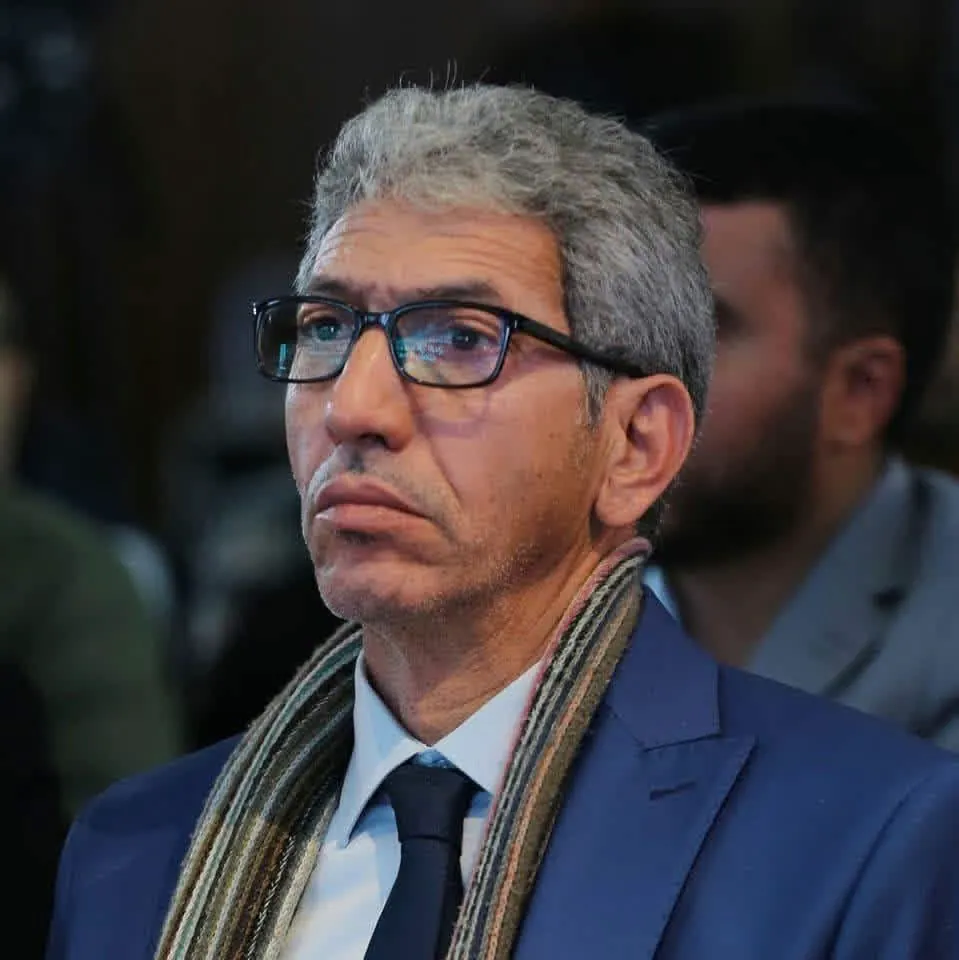
Moroccan media personality Ahmed Charai has sparked controversy with his recent comments on the upcoming government. As the general manager of the Moroccan media group "Global Media," Charai suggested that the Authenticity and Modernity Party (PAM) should lead the next government. His comments were met with a mixed reaction, with some supporting his analysis and others criticizing his views. Charai's suggestion was based on his analysis of the current political, economic, and diplomatic landscape of Morocco.
Fatima Zahra Mansouri, a member of the PAM leadership, responded to Charai's comments, stating that she did not know him and had never met or spoken to him. She also emphasized that her party did not need anyone to promote or nominate it for elections. Mansouri's response was seen as dismissive of Charai's suggestion, and some critics argued that she focused on the person rather than the idea. This exchange highlights the ongoing debate about the future of Moroccan politics and the role of the media in shaping public opinion.
The controversy surrounding Charai's comments took a new turn when Abdelilah Benkirane, the leader of the Justice and Development Party, weighed in on the debate. Benkirane, who is also a prominent Islamist politician, described Charai's suggestion as an attempt to promote Israeli interests in Morocco. Benkirane's comments were seen as an example of the "delusional" discourse that often characterizes Moroccan politics. His intervention was widely criticized, with many accusing him of trying to divert attention from the real issues at stake.
Another media personality, Toufik Bouachrine, also entered the fray, echoing Benkirane's concerns. Bouachrine, who is known for his critical views on the Moroccan government, accused Charai of trying to promote Israeli interests in Morocco. However, his comments were seen as unfounded and lacking in substance. The exchange between Charai, Mansouri, Benkirane, and Bouachrine highlights the complex and often contentious nature of Moroccan politics.
The debate surrounding Charai's comments has also sparked a wider discussion about the role of the media in Moroccan politics. Some have argued that the media should play a more active role in promoting democratic values and holding politicians accountable. Others have emphasized the need for greater transparency and accountability in the media itself. As Morocco prepares for upcoming elections, the debate about the role of the media in shaping public opinion is likely to continue.
The controversy surrounding Charai's comments has also highlighted the divisions within the Moroccan media landscape. Some media outlets have expressed support for Charai's views, while others have criticized them. The debate has also sparked a wider discussion about the role of media personalities in shaping public opinion and influencing political discourse. As the Moroccan media landscape continues to evolve, it is likely that such debates will become more frequent.
In response to the backlash against his comments, Charai has received support from some quarters of the Moroccan media. A number of media outlets have expressed solidarity with Charai, emphasizing his right to express his opinions and engage in public debate. The controversy surrounding Charai's comments is likely to continue, with many Moroccans eagerly following the debate about the future of their country's politics.
Key points
- Ahmed Charai's suggestion that the Authenticity and Modernity Party should lead the next Moroccan government has sparked controversy and debate.
- The debate has highlighted the complex and often contentious nature of Moroccan politics, with many politicians and media personalities weighing in on the issue.
- The controversy has also sparked a wider discussion about the role of the media in shaping public opinion and influencing political discourse in Morocco.