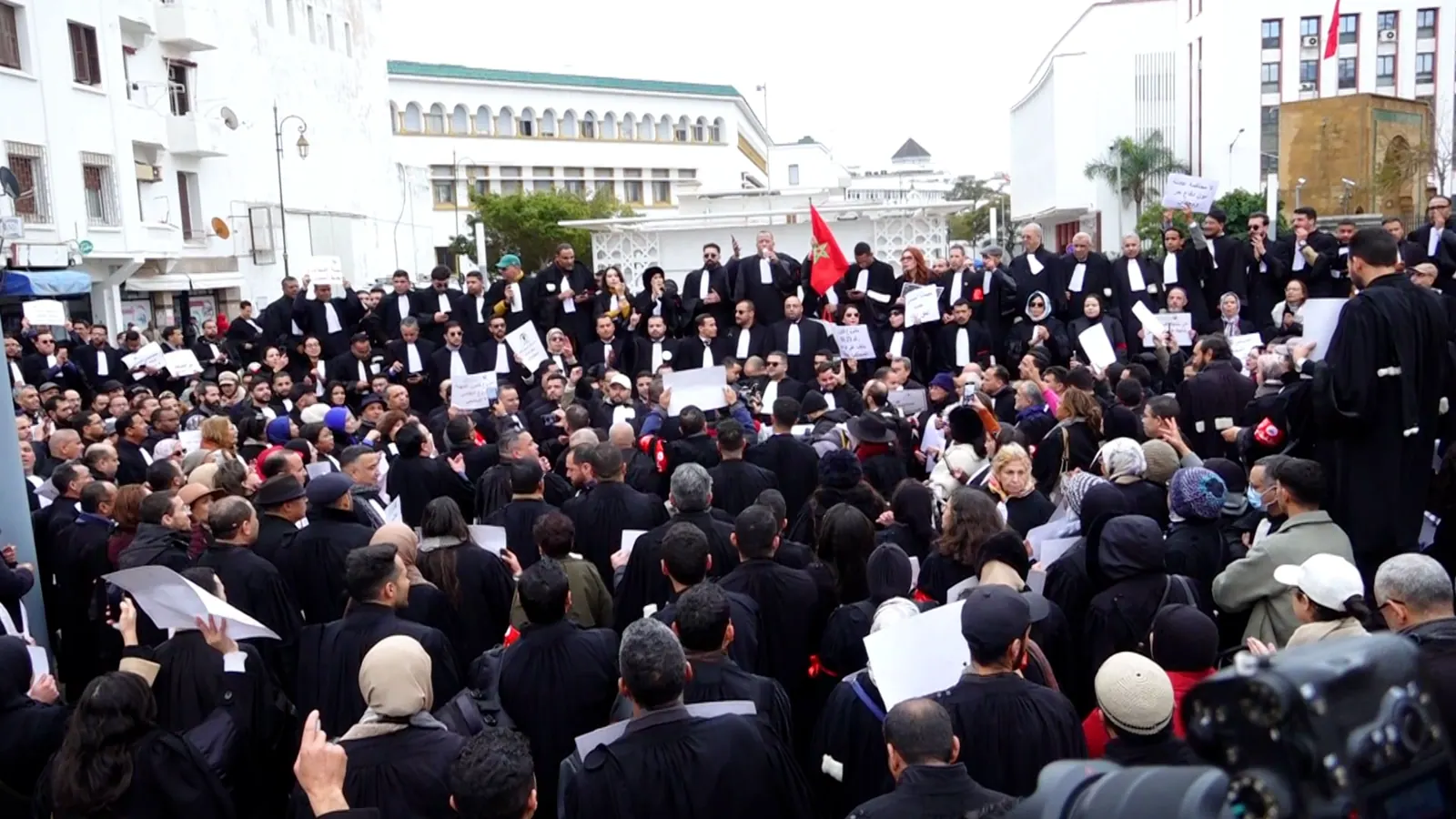
The Moroccan Bar Association announced on Sunday that it will maintain a complete suspension of professional services until October 9, the start of the new legislative session. This decision extends the strike, which began in mid-June, by approximately three weeks. The move was decided after prolonged deliberations by the executive bureau. The Casablanca Bar Association head, Mohamed Hissi, confirmed the decision, stating that a formal communiqué would follow.
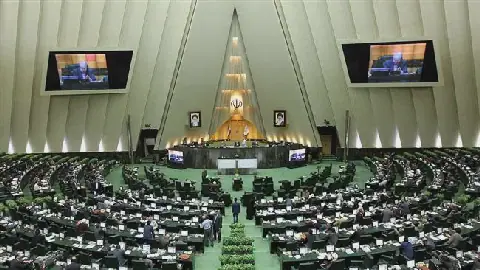
The strike is centered on Law 66.23, which regulates the practice of law in Morocco. Lawyers contest several provisions, believing they compromise the independence of the profession and its self-regulation mechanisms. Although the law has been promulgated, the focus now shifts to amending it, which is why the strike is synchronized with the parliamentary calendar. The chosen date of October 9 is strategic, coinciding with the installation of the new House of Representatives and the formation of the next government.
The decision to extend the strike reflects the lawyers' hope for renegotiation with a newly constituted government rather than with an outgoing ministry. This approach indicates a desire for dialogue with a fresh executive. The strike has significant implications for the justice system, affecting the processing of cases and the detention of individuals. It has resulted in the postponement of civil, commercial, and family cases, highlighting the impact on citizens seeking justice.
The strike, which began nearly four months ago, is one of the longest in the history of the Moroccan legal profession. Its effects are felt by the public, with many cases delayed due to the absence of legal representation. The suspension of services has particularly affected mandatory representation cases, leading to longer wait times for hearings and trial dates. This situation underscores the critical role lawyers play in the functioning of the justice system.
The Bar Association's decision to extend the strike underscores the profession's commitment to addressing its concerns through collective action. By choosing a date tied to the parliamentary schedule, the lawyers aim to maximize their influence on the new legislative agenda. This strategic approach suggests a calculated effort to engage with the upcoming government on the contentious issues surrounding Law 66.23.
The ongoing strike has brought attention to the challenges faced by the legal profession in Morocco, including issues related to independence and regulatory mechanisms. As the strike continues until October 9, the focus will be on the potential for dialogue between the legal profession and the new government. The outcome of these discussions will likely have significant implications for the future of legal practice in Morocco.
As the strike nears its fourth month, its impact on the justice system and the public continues to grow. With the legal profession insisting on its demands, the upcoming legislative session will be crucial in determining the future of the law and the practice of law in Morocco. The situation remains a pressing concern for all stakeholders involved in the country's justice system.
Key points
- - The strike by Moroccan lawyers is extended until October 9, in line with the new legislative session. - The strike is in protest of Law 66.23, which the lawyers believe undermines their profession's independence. - The ongoing strike has significantly impacted the justice system, delaying cases and affecting detention procedures.