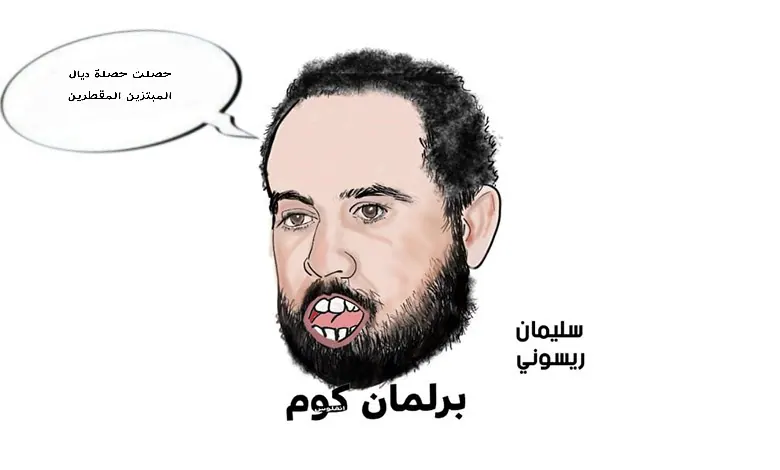
A recent statement by Moroccan journalist Suleiman Rissouni has sparked controversy, with many accusing him of blackmail and hypocrisy. Rissouni's reaction was in response to a statement by Abd al-Samad al-Idrissi, which apparently refuted some of Rissouni's claims. Instead of providing evidence to support his claims, Rissouni resorted to aggressive language and threats.
According to reports, the conflict began when Rissouni attempted to involve lawyers in a book project that would have highlighted his alleged achievements. However, al-Idrissi refused to participate, leading Rissouni to launch a smear campaign against him. Rissouni's tactics have been widely criticized, with many describing them as desperate and lacking in credibility.
One of the key aspects of Rissouni's reaction was his invocation of Islam and his claims of piety. He invoked God's wrath on himself if he was lying, but critics argue that this is a classic case of hypocrisy. Rissouni has been accused of serious crimes, including sexual assault and exploitation, which raises questions about his moral credibility.
Rissouni also attempted to discredit al-Idrissi by invoking the name of a journalist named "Abtisam," claiming that al-Idrissi had wronged her. However, critics argue that Rissouni has no credibility on this issue, given his own history of exploitation and abuse. His silence on the crimes committed by his associates, such as Toufik Bouachrine, has also been noted.
In a further attempt to discredit al-Idrissi, Rissouni cited the testimony of Abd al-Mouli al-Marouri, a person wanted by the authorities on charges of theft and breach of trust. Critics argue that this is a flawed tactic, as al-Marouri's credibility is highly questionable.
The controversy surrounding Rissouni has raised important questions about journalistic integrity and accountability in Morocco. Many have expressed concern about the use of blackmail and smear campaigns to silence critics and opponents. Rissouni's actions have been widely condemned, with many calling for greater transparency and accountability in the media.
The case has also highlighted the need for greater scrutiny of journalists and media outlets in Morocco. Critics argue that Rissouni's actions demonstrate a lack of respect for the truth and a willingness to use any tactic to achieve his goals. The incident has sparked a wider debate about the role of journalists in Moroccan society and the need for greater accountability.
Key points
- Suleiman Rissouni has been accused of blackmail and hypocrisy in his reaction to a statement by Abd al-Samad al-Idrissi.
- Rissouni's tactics have been widely criticized, with many describing them as desperate and lacking in credibility.
- The controversy has raised important questions about journalistic integrity and accountability in Morocco.