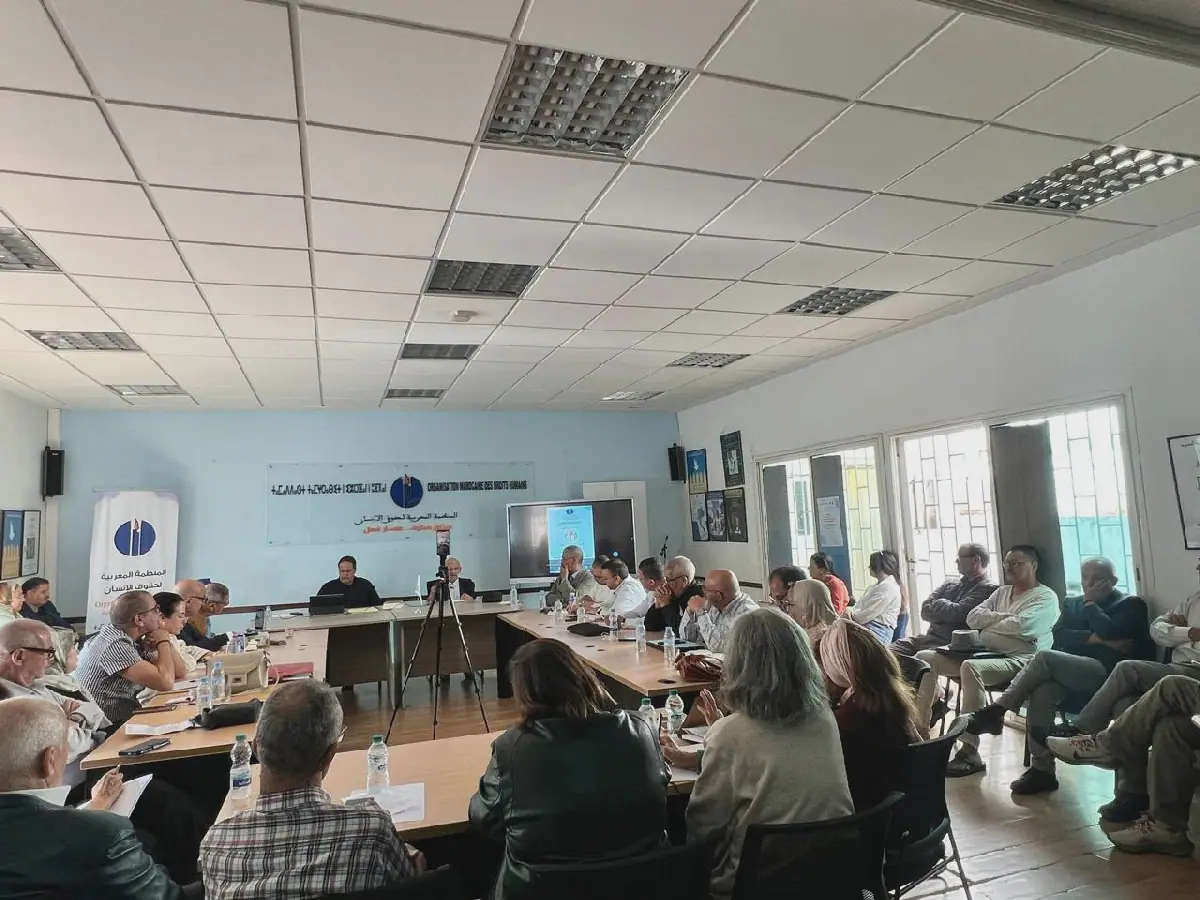
The National Council of the Moroccan Organization for Human Rights held a session on October 31, 2026, and called for a rights-based and international discussion on reforming the United Nations. The council also renewed its demand for a census of the population in Tindouf refugee camps. They urged the new government to prioritize guaranteeing the effectiveness of rights and freedoms.
The council expressed concern over the UN Security Council's inability to pass a new resolution on the Moroccan Sahara issue on October 30, 2026. This development raised questions about the UN's functioning and its influence on regional calculations that do not consider people's interests or threats to international peace and security.
The council emphasized that its stance is based on its founding law, which classifies it as a national human rights movement. They referenced previous statements calling for a census in Tindouf camps and resolving the issue based on the autonomy initiative. This initiative, they argue, aligns with human rights standards, international humanitarian law, and international human rights law.
The council highlighted the risks of the current situation in Tindouf, which may threaten regional peace and security and exacerbate the humanitarian and rights crisis in the camps. They stressed the need for a census to enable the population to exercise their rights, including the right to a refugee card and freedom of movement.
The council's session coincided with the formation of a new government and the presentation of its program. The Moroccan Organization for Human Rights had submitted a memorandum to the head of government, Fatima Zahra El Mansouri. The council emphasized the need for a human rights-based approach in various public policies and programs.
In the area of public freedoms, the council called for guaranteeing the effective exercise of freedom of opinion, expression, press, assembly, and peaceful demonstration. They also advocated for establishing legal and institutional guarantees to protect these freedoms, promoting pluralism, and ensuring the right to free participation in public space.
The council expressed concern over the return of individuals involved in serious human rights abuses to public life. They emphasized that preserving the memory of transitional justice in Morocco and protecting the achievements of the Equity and Reconciliation Commission are collective responsibilities that require vigilance and alertness to any attempts to whitewash past abuses or undermine the dignity of victims.
Key points
- The Moroccan National Council for Human Rights calls for UN reform to make it a more effective tool in the international system.
- The council demands a census of the population in Tindouf refugee camps to enable them to exercise their rights.
- The council urges the new government to prioritize guaranteeing the effectiveness of rights and freedoms.