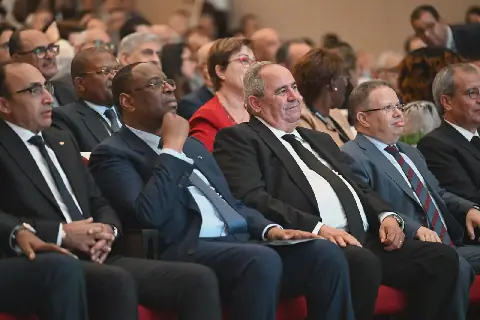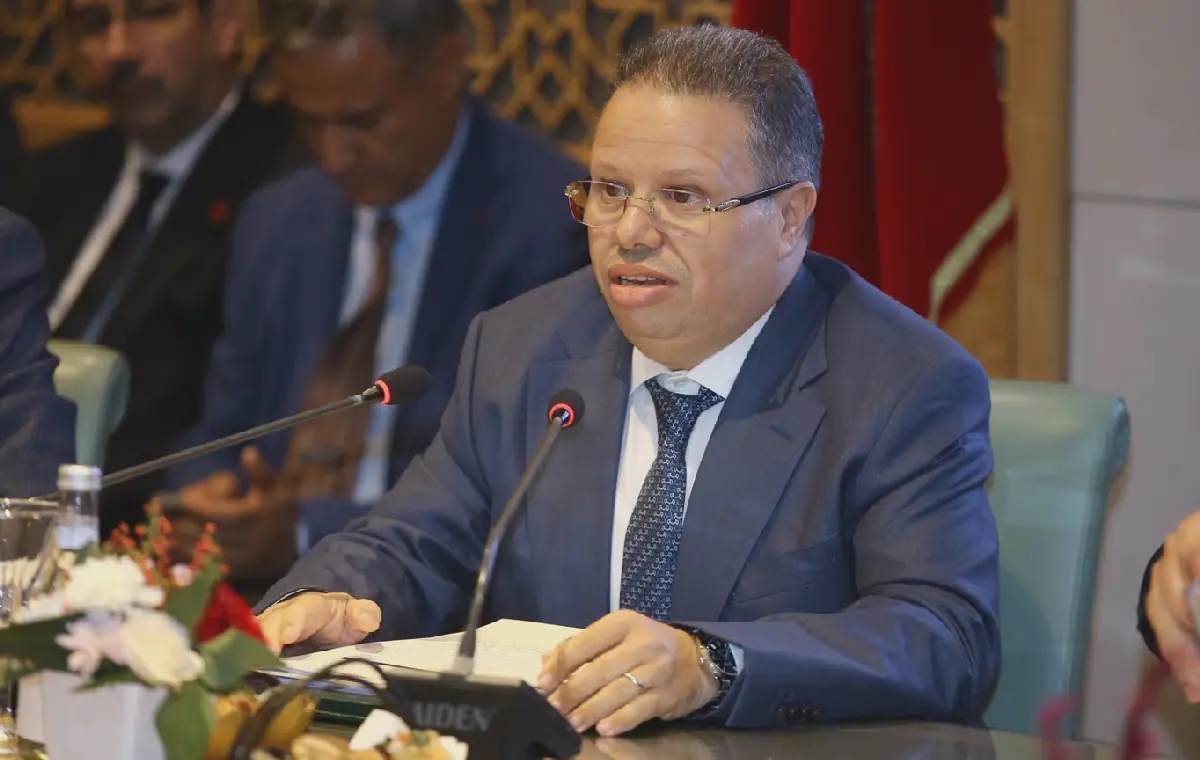
Moroccan Health Minister Youns Bjijou emphasized that African healthcare and social protection systems must respond to profound transformations that test their resilience and sustainability. Speaking at the Dakhla Global Summit, Bjijou highlighted the need for a deep reevaluation of current models. The summit, attended by former African Heads of State, ministers, and experts, aims to address pressing issues in healthcare and social protection. Bjijou's remarks underscored the urgency for change in the face of evolving demographic and epidemiological transitions.
The minister noted that these transitions are putting increasing pressure on healthcare facilities. He stressed the importance of proactive measures, such as investing in prevention, changing behaviors, and tailoring responses to each region's specific needs. Controlling costs has become crucial to ensuring universal access to healthcare. Bjijou also highlighted the lessons learned from the COVID-19 pandemic, which demonstrated that economic and social stability rely heavily on health security and sovereignty.
Bjijou emphasized the need for a multisectoral approach to health policy, focusing on prevention, preparedness, and response to health threats. He called for strengthening local industrial capacities for producing diagnostic tools, medications, vaccines, and other medical countermeasures. This approach aims to make healthcare systems autonomous and resilient. The minister also noted the potential of digital progress, artificial intelligence, and biotechnologies in transforming healthcare.
The Moroccan minister highlighted the importance of leveraging these innovations to improve healthcare delivery. He emphasized that it is essential to prepare institutions and professionals to utilize these advancements equitably for the greater good. Bjijou also stressed that countries face a common requirement: providing citizens with just and resilient protection that secures the present without compromising the future.
In Morocco, this requirement aligns with King Mohammed VI's broader sustainable development vision, which prioritizes human dignity, solidarity, and social justice. Bjijou discussed Morocco's experience with the royal vision, particularly the historic project to generalize social protection. This project consists of four pillars: universal access to mandatory health insurance, family allowances, expanded retirement schemes, and unemployment benefits.
Bjijou reported significant progress in healthcare coverage, with the medical coverage rate rising from 42% to nearly 89% of the population in a few years. However, he noted that access to rights is insufficient and requires a profound transformation of healthcare delivery and organization. The minister described the mandatory health insurance as a catalyst for a more extensive transformation.
The refoundation of Morocco's national health system relies on four structuring pillars: renovated governance, rehabilitation and modernization of healthcare facilities, human capital, and a ambitious digital transition. Bjijou emphasized the need to restore the public hospital's nobility and centrality while fostering synergy between public, private, and non-profit sectors. The Dakhla Global Summit's Declaration 2026 aims to be a pact for action, with clear, solidary, and durable commitments.
Key points
- Moroccan Health Minister Youns Bjijou calls for transformation in African healthcare systems to address profound changes.
- The minister emphasizes the need for a multisectoral approach to health policy and leveraging digital innovations.
- Morocco's experience with social protection and healthcare reform is highlighted as a model for the continent.