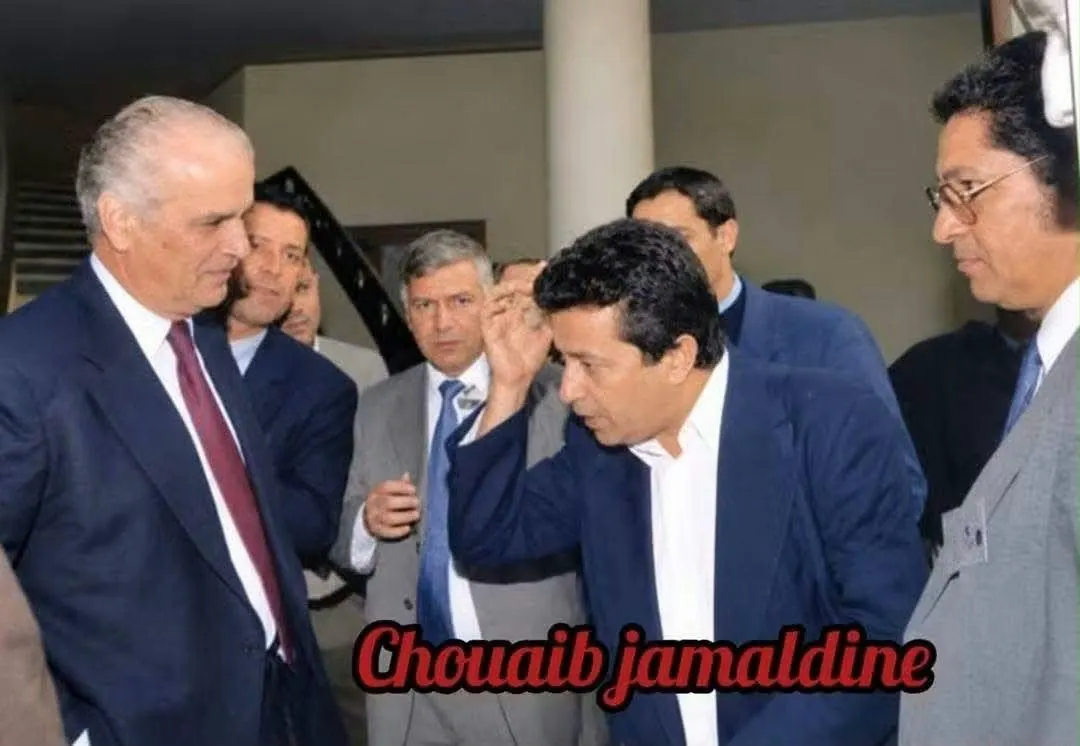
The recent reception of former detainee Abd al-Samad Errouchane by Moroccan Prime Minister-designate Fatima Zahra Mansouri has sparked controversy over the country's human rights record. Errouchane, a leading figure in the Social Democratic Movement party, was welcomed at a meeting in Rabat on October 1, alongside his brother and party founder, Mahmoud Errouchane. This move has reignited debate over Morocco's past human rights abuses, particularly during the "Years of Lead" era.
The Equity and Reconciliation Commission, established in 2004 and operational until 2005, investigated human rights abuses during this period. The commission's 2006 report documented various forms of torture and mistreatment inflicted on detainees, including physical and psychological abuse. The report identified several detention centers, including the notorious Derb Moulay Cherif in Casablanca, where abuses took place under the supervision of former Commissioner Mahmoud Errouchane.
The commission's report detailed various methods of torture, including suspension, beating, and forced ingestion of toxic substances. Detainees were also subjected to psychological torture, such as threats of death and rape, and humiliation. The report concluded that several individuals died in detention or while in enforced disappearance.
Salah Al-Wadi, a former political detainee who was imprisoned at Derb Moulay Cherif, has spoken out about his experiences. In his book "Mimosa: A Survivor's Story of the 20th Century," Al-Wadi recounts his refusal to shake hands with Mahmoud Errouchane, citing allegations of his involvement in torture sessions. Al-Wadi has since responded to Errouchane's reception by the government with a poem, "Dust with a Taste of Rust."
The poem is a scathing critique of Errouchane's actions and a reflection on the ongoing impact of past human rights abuses. Al-Wadi's work highlights the complexities of Morocco's past and the need for accountability and reconciliation. The government's reception of Errouchane has raised questions about its commitment to addressing historical injustices.
Human rights groups have long called for investigations into allegations of torture and other abuses during the "Years of Lead" era. The Equity and Reconciliation Commission's report was a step towards acknowledging the past, but many argue that more needs to be done to ensure justice and accountability.
The controversy surrounding Errouchane's reception has sparked renewed debate about Morocco's human rights record and its implications for the country's future. As Morocco moves forward, it must confront its past and address ongoing concerns about human rights and accountability.
Key points
- The Moroccan government's reception of former detainee Abd al-Samad Errouchane has sparked controversy over human rights abuses during the "Years of Lead" era.
- The Equity and Reconciliation Commission's 2006 report documented various forms of torture and mistreatment inflicted on detainees during this period.
- Former detainee Salah Al-Wadi has spoken out about his experiences and criticized Errouchane's involvement in torture sessions.