Libya's House of Representatives has voted to adopt a 12-month parliamentary term, paving the way for a new leadership selection process. On Monday, 98 lawmakers voted in favor of the change, which will see a new leadership team elected at the start of the new term. The move is seen as a significant shift in the country's politics, with many anticipating a change in the balance of power within the House.
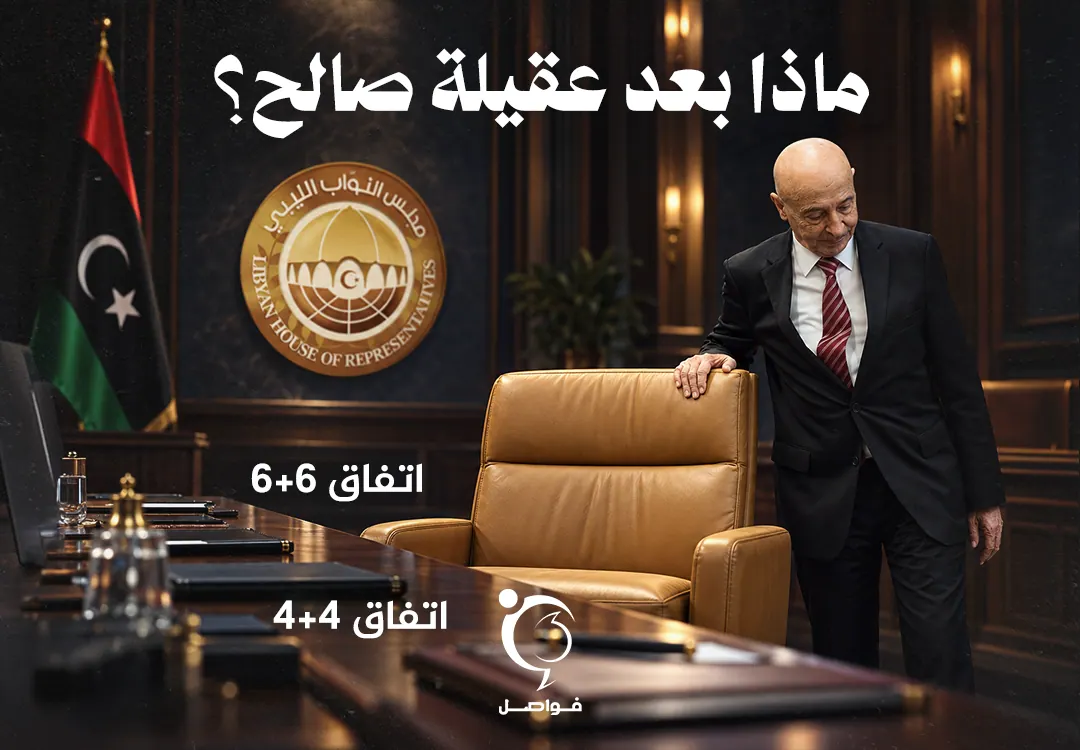
The current leadership, headed by Aqila Saleh, has been in place for nearly 12 years. Following the vote, the second deputy speaker, Massoud Domag, announced that the current leadership team would be suspended until next week. A session will be convened, led by the oldest member, to elect a new leadership team. This development has sparked speculation about who will succeed Saleh and what implications this may have for Libya's politics.
The move has been supported by Khalifa Haftar, who announced his backing for the proposed changes to the internal regulations. Haftar also expressed support for the 4+4 arrangements and his son Saddam taking over as head of the Presidential Council. Saddam has also been active in supporting the change within the House of Representatives. These developments suggest that a new phase is emerging in Libyan politics.
Meanwhile, a meeting was held between members of the House of Representatives and representatives of the Government of National Unity to discuss holding a session in Tripoli. This move is seen as an effort to redraw the country's political landscape. The developments come as tensions rise over the leadership of the House of Representatives.
In a related development, Blaqasim Haftar appeared alongside Aqila Saleh during a visit to Ankara. The visit coincided with a meeting between Saleh and Mohamed Takkala, as well as the head of Turkish intelligence, Ibrahim Kalin. The talks reportedly led to a revival of the 6+6 agreement and a resumption of work on electoral laws.
While a clear successor to Saleh has yet to emerge, the developments suggest that a battle for control of the House of Representatives has begun. The question is no longer just when Saleh will leave, but who will hold the reins in the next phase. The involvement of various players, including Haftar and his son Saddam, has added to the complexity of the situation.
The changing dynamics within the House of Representatives have significant implications for Libya's future. As the country navigates this period of transition, the international community will be watching closely. Key players, including Italy and Greece, have been involved in efforts to stabilize the country, including the implementation of a UN arms embargo.
Key points
- The Libyan House of Representatives has voted to adopt a 12-month parliamentary term
- A new leadership team is expected to be elected at the start of the new term
- The developments have sparked speculation about who will succeed Aqila Saleh as head of the House of Representatives