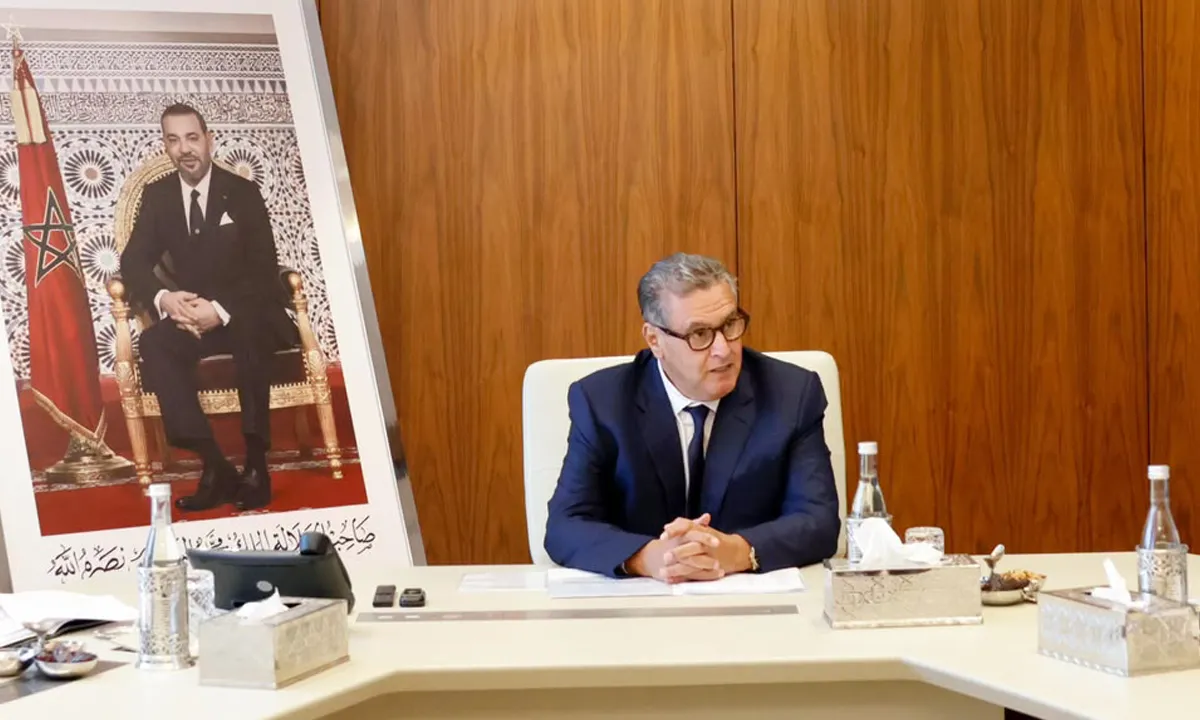
On Wednesday, September 30, 2026, Moroccan Prime Minister Aziz Akhannouch chaired a meeting of the ministerial committee tasked with monitoring the repercussions of geopolitical tensions in the Middle East on the national economy. The meeting took place in Rabat, amid a steady rise in international fuel prices and their effects on the domestic market. The committee reviewed the current situation and discussed measures to mitigate the impact of rising fuel costs on citizens and the economy.
The committee decided to continue providing direct and exceptional support to professionals in the goods and passenger transportation sector. The support's value will be adjusted in line with rising fuel prices to ensure that transportation services continue at current prices, without any increase for citizens. This decision aims to guarantee a regular supply of goods and services, maintaining stability in the market and protecting citizens' purchasing power.
During the meeting, the committee assessed the country's energy stockpiles and the ongoing supply of agricultural products and essential goods to the domestic market. The committee confirmed that the market is being supplied regularly, despite geopolitical tensions and global pressure on energy resources. Morocco has a reserve of butane gas and diesel that covers 40 to 60 days, providing a buffer against potential disruptions.
The committee's decisions reflect the government's commitment to shielding citizens from the effects of international market fluctuations. By maintaining support for the transportation sector, the government aims to prevent price hikes and ensure the continued smooth operation of essential services. This approach is part of a broader strategy to safeguard citizens' living standards and maintain economic stability.
Professionals in the transportation sector will be able to submit applications for support through an online platform, as they have in the past. The platform, https://mouakaba.transport.gov.ma, allows them to track their applications remotely. This streamlined process is designed to facilitate access to support and minimize administrative burdens on sector professionals.
The emergency meeting and subsequent decisions underscore the government's proactive approach to addressing the challenges posed by rising fuel prices. By taking swift action, the authorities aim to mitigate the impact on citizens and maintain stability in the market. The government's efforts focus on protecting purchasing power, ensuring a steady supply of essential goods, and supporting key sectors of the economy.
The situation remains under close monitoring, with the government prepared to take further measures if necessary. The authorities are working to balance the need to support citizens and businesses with the imperative of maintaining economic stability. As the situation continues to evolve, the government's priority remains protecting citizens' well-being and promoting sustainable economic growth.
Key points
- The Moroccan government has decided to continue providing direct support to professionals in the goods and passenger transportation sector to mitigate the impact of rising fuel prices.
- Morocco has a reserve of butane gas and diesel that covers 40 to 60 days, providing a buffer against potential disruptions.
- The government aims to maintain stability in the market and protect citizens' purchasing power by taking proactive measures to address the challenges posed by rising fuel prices.