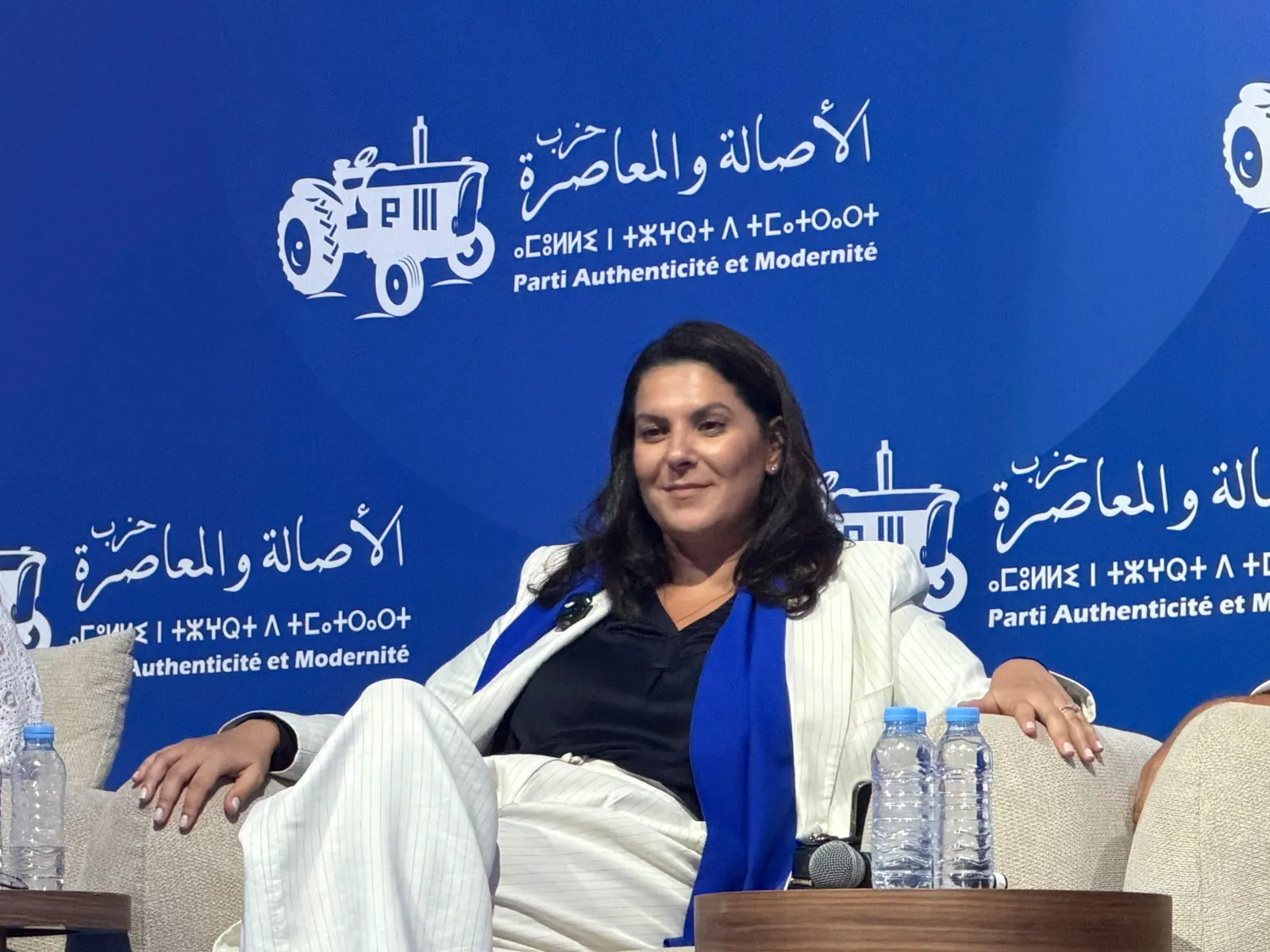
The recent legislative elections in Morocco, held on September 23, have led to a significant development in the country's government formation process. According to sources, followers of Nadia Bentaqa, also known as "Bent El Basha," have been actively campaigning for her potential appointment as the head of government. This comes after the Interior Minister announced the final results of the elections.
Supporters of Bent El Basha have been spreading news that she may be appointed as the head of government, with some even suggesting that the Royal Palace will receive her tomorrow for a meeting with King Mohammed VI. However, it remains to be seen whether these rumors will materialize. The government formation process is expected to be led by the party with the most seats in the parliament, which in this case is the National Rally of Independents (RNI) or the Authenticity and Modernity Party (PAM).
The PAM has been at the center of controversy recently, particularly after allegations of electoral irregularities in Tangier. The party's leader, Abdelaziz Rabbah, has been accused of being involved in a vote-rigging scandal. This has led to calls for him to step down and allow for a more transparent and fair government formation process.
Meanwhile, other parties have been expressing their opinions on the government formation process. The Justice and Development Party (PJD) has stated that it will not participate in the government if it is led by a prime minister who is not from the party. This has led to speculation that the PJD may be willing to work with other parties to form a coalition government.
The government formation process in Morocco is often a complex and lengthy process, involving negotiations between different parties and stakeholders. The King plays a significant role in the process, as he has the power to appoint the head of government and dissolve the parliament.
In a separate development, Omar Hilale, Morocco's ambassador to the United Nations, has been appointed as the country's permanent representative to the UN. This appointment comes at a time when Morocco is seeking to strengthen its diplomatic presence on the international stage.
As the government formation process continues, Moroccans are eagerly awaiting the announcement of the new government. The country is facing several challenges, including economic growth, unemployment, and social inequality. The new government will need to address these issues and provide a clear vision for the country's future.
Key points
- The government formation process in Morocco has sparked controversy and rumors, with some parties accusing others of electoral irregularities.
- The King plays a significant role in the government formation process, with the power to appoint the head of government and dissolve the parliament.
- Morocco is facing several challenges, including economic growth, unemployment, and social inequality, which the new government will need to address.