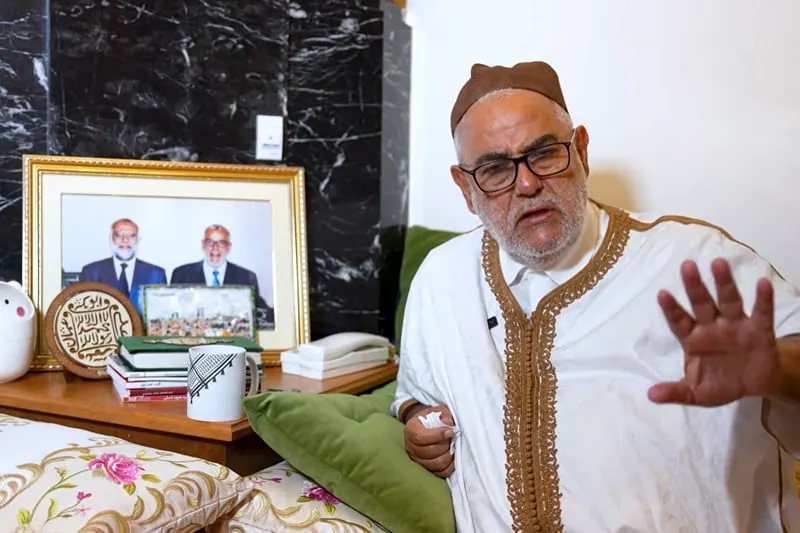
The process of forming a new Moroccan government is encountering significant obstacles. Since the beginning of negotiations, the leader of the Justice and Development Party (PJD), Abdelilah Benkirane, has opted for a confrontational approach. He refused to meet with the appointed Prime Minister, Fatima Zahra El Mansouri, at her office, instead suggesting she visit his home. This behavior has been seen as an attempt to exert pressure on El Mansouri and disrupt her political consultations.
Benkirane's actions have raised concerns about his intentions and the potential impact on the government formation process. By adopting this approach, he appears to be seeking to impose his own terms and undermine El Mansouri's authority. This development has sparked concerns about the potential for further delays or even the collapse of the government formation process.
The National Organization of Women in the Authenticity and Modernity Party (PAM) has expressed its support for El Mansouri, describing her appointment as a historic event that reflects the significant progress made by Morocco in promoting democracy and equality. The organization believes that El Mansouri has the ability to lead the country effectively and drive the implementation of much-needed reforms.
Other political parties have also expressed their willingness to engage in dialogue with El Mansouri and support her efforts to form a new government. The Union Constitutionnelle party, led by Mohamed Joudar, has stated that it is committed to working with El Mansouri to address the country's key challenges and promote economic and social development.
The Democratic and Social Movement party, led by Abdessamad Errachane, has also expressed its support for El Mansouri and its commitment to contributing to the success of the new government. The party believes that it is essential to work together to address the country's challenges and promote the well-being of its citizens.
Despite these positive developments, the government formation process remains uncertain, with Benkirane's actions continuing to pose a significant challenge. It remains to be seen whether El Mansouri will be able to overcome these obstacles and form a stable government that can address the country's pressing challenges.
The situation highlights the complexities and challenges of Morocco's political landscape, where coalition-building and negotiations are often crucial to forming a government. The outcome of these efforts will have significant implications for the country's future and its ability to address pressing social and economic issues.
Key points
- PJD leader Abdelilah Benkirane adopts a confrontational approach with appointed Prime Minister Fatima Zahra El Mansouri.
- El Mansouri's appointment as Prime Minister is seen as a historic event that reflects Morocco's progress in promoting democracy and equality.
- Other political parties have expressed their support for El Mansouri and their commitment to contributing to the success of the new government.