The Moroccan government, led by the Party of Authenticity and Modernity (PAM), is facing significant challenges in addressing the country's water, energy, and food security issues. According to experts, the government's ability to convert its commitments into actionable decisions will be crucial in overcoming these challenges. The country's water scarcity, energy demands, and food security concerns have become pressing issues that require immediate attention.
The water crisis in Morocco has been exacerbated by climate change, with droughts and water scarcity affecting agricultural production and daily life. The government has launched several initiatives aimed at improving water management, including the construction of new dams and water treatment plants. However, experts argue that more needs to be done to address the root causes of the crisis and ensure sustainable water management practices.
Morocco's energy sector is also facing significant challenges, with the country relying heavily on imported fossil fuels to meet its energy demands. The government has set ambitious targets to increase the share of renewable energy in the country's energy mix, including a goal of generating 42% of its electricity from renewable sources by 2025. However, progress has been slow, and the government faces criticism for not doing enough to support the development of renewable energy.
Food security is another major concern for the Moroccan government, with the country relying heavily on imports to meet its food needs. The government has launched several initiatives aimed at boosting domestic agricultural production, including subsidies for farmers and investments in irrigation systems. However, experts argue that more needs to be done to support small-scale farmers and improve the country's agricultural productivity.
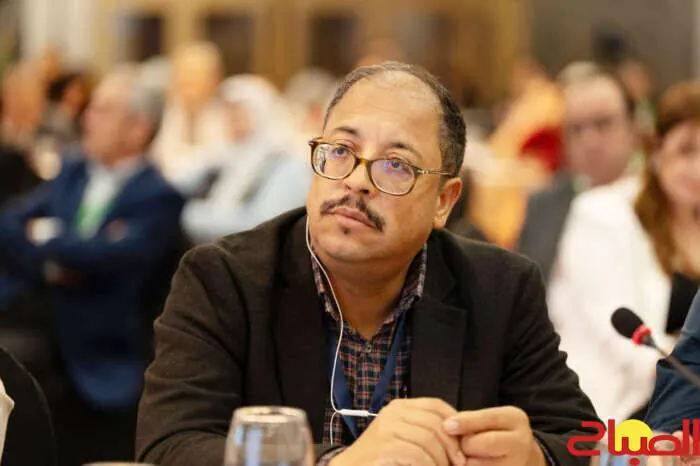
According to Abdelaziz Tefrouti, head of the Afaq Biendah Center for Sustainable Development, the government's ability to address these challenges will depend on its ability to work with civil society and the private sector. Tefrouti argues that the government needs to adopt a more inclusive and participatory approach to policy-making, involving stakeholders from across society in the decision-making process.
The Moroccan government has faced criticism for its handling of environmental issues, with many arguing that it has not done enough to address the country's environmental challenges. The government has launched several initiatives aimed at improving environmental protection, including a national strategy for sustainable development. However, experts argue that more needs to be done to implement these strategies and ensure that environmental protection is integrated into all areas of policy-making.
The government's response to these challenges will be closely watched by Moroccans, who are increasingly concerned about the country's environmental and economic future. The government's ability to address these challenges will depend on its ability to work with stakeholders, adopt a more inclusive and participatory approach to policy-making, and prioritize sustainable development.
Key points
- The Moroccan government faces significant challenges in addressing the country's water, energy, and food security issues.