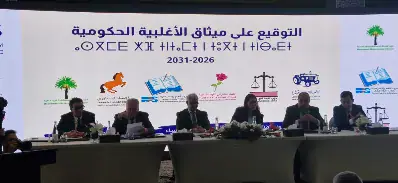
The Moroccan government coalition, comprising six parties, has committed to a shared agenda that includes combating corruption and promoting human rights. The coalition, led by Prime Minister Aziz Rabbah, aims to restore public trust in politics and create a more positive and open political environment. This commitment is outlined in a charter signed on November 24, 2026, in Rabat, which sets out the coalition's goals and principles for the next five years.
The charter emphasizes the importance of collective responsibility and decision-making, with coalition parties pledging to work together to achieve their objectives. The parties have committed to promoting transparency and accountability, and to fighting corruption and conflicts of interest. They have also pledged to prioritize the needs of citizens and to ensure that their policies are effective in improving living standards.
One of the key aspects of the charter is the commitment to enhance human rights and freedoms. The coalition parties have pledged to promote a culture of respect for human rights and to ensure that their policies are consistent with international human rights standards. They have also committed to strengthening the role of parliament in promoting human rights and to ensuring that their policies are subject to parliamentary oversight.
The coalition has also agreed to prioritize economic and social development, with a focus on improving living standards and promoting social justice. They have pledged to support investment and entrepreneurship, and to promote economic growth and development. The coalition has also committed to addressing the issue of social inequality and to promoting greater economic opportunities for all citizens.
The charter also sets out a framework for coordinating the coalition's efforts, including regular meetings between party leaders and parliamentary committees. The coalition has established four bodies to oversee the implementation of its policies, including a steering committee and parliamentary committees. These bodies will be responsible for monitoring progress and ensuring that the coalition's policies are effective.
The Moroccan government coalition's commitment to fighting corruption and enhancing rights has been welcomed by human rights groups and opposition parties. However, some critics have expressed skepticism about the coalition's ability to deliver on its promises, given the country's history of corruption and human rights abuses. The coalition's success will depend on its ability to work together and to prioritize the needs of citizens.
The coalition's charter has also been seen as a positive step towards promoting greater transparency and accountability in government. The document sets out clear principles and objectives, and provides a framework for monitoring progress and ensuring that the coalition's policies are effective. Overall, the Moroccan government coalition's commitment to fighting corruption and enhancing rights is a positive development, and one that has the potential to improve living standards and promote social justice.
Key points
- The coalition has committed to promoting transparency and accountability, and to fighting corruption and conflicts of interest.
- The coalition parties have pledged to prioritize the needs of citizens and to ensure that their policies are effective in improving living standards.
- The charter sets out a framework for coordinating the coalition's efforts, including regular meetings between party leaders and parliamentary committees.
Reporting sources
- الأغلبية تتعاقد على محاربة الفساد والانفراج الحقوقي وتنسيق انتخابات 2027 · Al Ahdath Al Maghribia