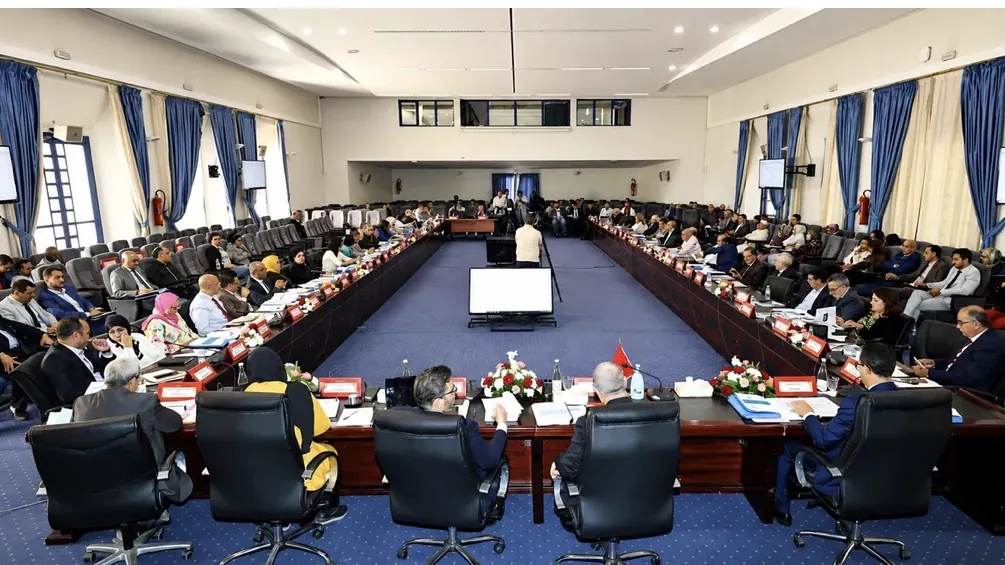
A scheduled ordinary session of the Souss-Massa regional council, set to take place in Taroudant on October 5, 2026, was cancelled due to a lack of quorum. The meeting's cancellation was attributed to the absence of a substantial number of council members, including representatives from key parties in the ruling coalition. This development has sparked concerns about the cohesion of the Moroccan government alliance.
The boycott was led by the Authenticity and Modernity Party (PAM) and the Independence Party, both core components of the ruling coalition. Additionally, several members from the National Rally of Independents (RNI), which heads the region, were also absent. The absence of these council members, along with those from the Progressive and Socialist Union and the Socialist Union, prevented the meeting from achieving the necessary quorum for proceedings.
The collective absence of these council members has raised questions about the underlying reasons for the boycott, particularly given the current sensitive political climate surrounding government formation talks. The cancellation of the meeting may have implications for the region's governance and the implementation of its agenda.
According to the regional council's rules, legal procedures will be followed to schedule a new meeting at a later date. This development occurs against the backdrop of recent parliamentary elections that have altered the political landscape in the region. The changes in the regional political map may influence the dynamics of the ruling coalition.
The Souss-Massa region is currently navigating a complex political and electoral context. The boycott of the council meeting has added to the uncertainty surrounding the region's governance. Further developments are expected as the situation unfolds and the regional council reconvenes.
The incident highlights the challenges facing the Moroccan government in maintaining unity within its coalition. The government's ability to address these challenges will be crucial in ensuring the effective governance of the region and the implementation of its development plans.
The regional council's cancellation has sparked concerns about the potential impact on the region's development projects and services. The council's role in addressing the region's challenges and promoting its development will be closely watched in the coming weeks.
Key points
- The boycott of the regional council meeting has raised concerns about the unity of Morocco's ruling coalition.
- The cancellation of the meeting may have implications for the region's governance and development projects.
- The incident highlights the challenges facing the Moroccan government in maintaining coalition unity.