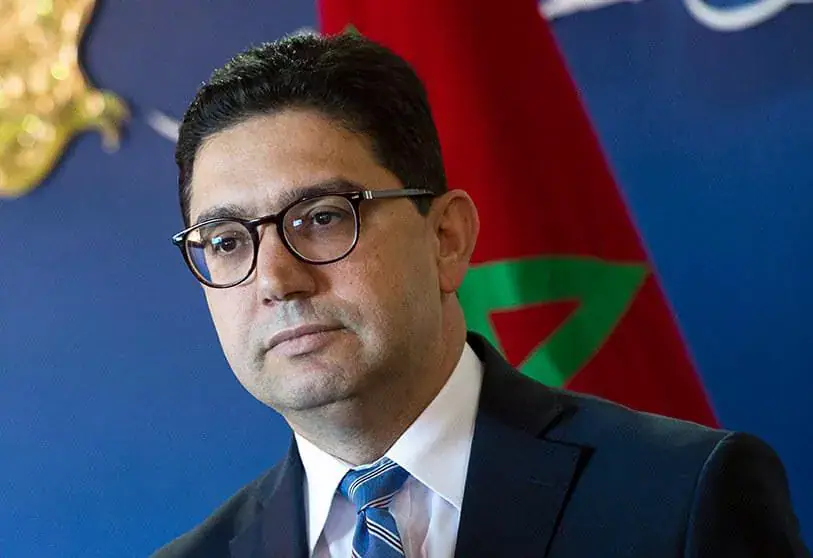
On November 7, Mauritanian independent news agency Tanja7.com reported that Moroccan Foreign Minister Nasser Bourita made an unannounced visit to Nouakchott. The visit comes as the regional dynamics of the Western Sahara conflict continue to evolve after the UN Security Council failed to renew the mandate of the MINURSO mission. According to Tanja7.com, citing special sources, Bourita met with Mauritanian officials to discuss recent developments in the region, particularly the ongoing conflict over Western Sahara.
The visit by Bourita assumes significance given Mauritania's geographical and political position in the conflict. Mauritania has traditionally maintained a neutral stance, which it describes as "positive neutrality," in the Western Sahara issue. The country seeks to preserve its relations with all parties involved in the conflict. Nouakchott has reiterated its desire to remain "part of the solution, not part of the problem," reflecting its efforts to avoid taking sides in the regional polarization associated with the conflict.
The timing of Bourita's visit coincides with heightened tensions following the end of the MINURSO mission's mandate. The UN began procedures to withdraw its personnel and equipment starting November 1. The Spanish news agency Europa Press highlighted the potential implications of the mission's expiration, noting that the Western Sahara conflict is entering an unprecedented phase since the creation of the UN mission 35 years ago.
Experts have warned of the potential for escalated tensions between Morocco and the Polisario Front in the absence of the MINURSO mission, which had served as a monitoring and containment mechanism. Irine Fernandez Molina, a professor of international relations at the University of Exeter, cautioned that the absence of MINURSO could allow parties to exploit the new situation to escalate the conflict.
The Mauritanian position gains importance in light of concerns about the future security situation in the region, particularly as any potential military escalation could have direct repercussions on border areas and the commercial and security interests of Mauritania. The situation is further complicated by Morocco's commitment to adhering to the ceasefire, despite the expiration of the MINURSO mandate, and the Polisario Front's insistence on self-determination.
The visit by Bourita to Nouakchott comes at a highly sensitive diplomatic moment, underscoring the importance of coordination with Mauritania as a neighboring country and key partner in regional balances. The developments have also drawn international attention, with Algeria criticizing the circumstances that led to the non-renewal of the MINURSO mandate.
The situation in Western Sahara remains uncertain, with the expiration of the MINURSO mandate leaving a void in monitoring and containment. Morocco and the Polisario Front continue to hold divergent positions, with the international community watching closely for any escalation in the conflict.
Key points
- The visit by Moroccan Foreign Minister Nasser Bourita to Mauritania highlights the importance of regional coordination amid escalating tensions in the Western Sahara conflict.
- The expiration of the MINURSO mandate has raised concerns about the potential for increased tensions between Morocco and the Polisario Front.
- Mauritania's neutral stance in the Western Sahara conflict is seen as crucial in maintaining regional stability.