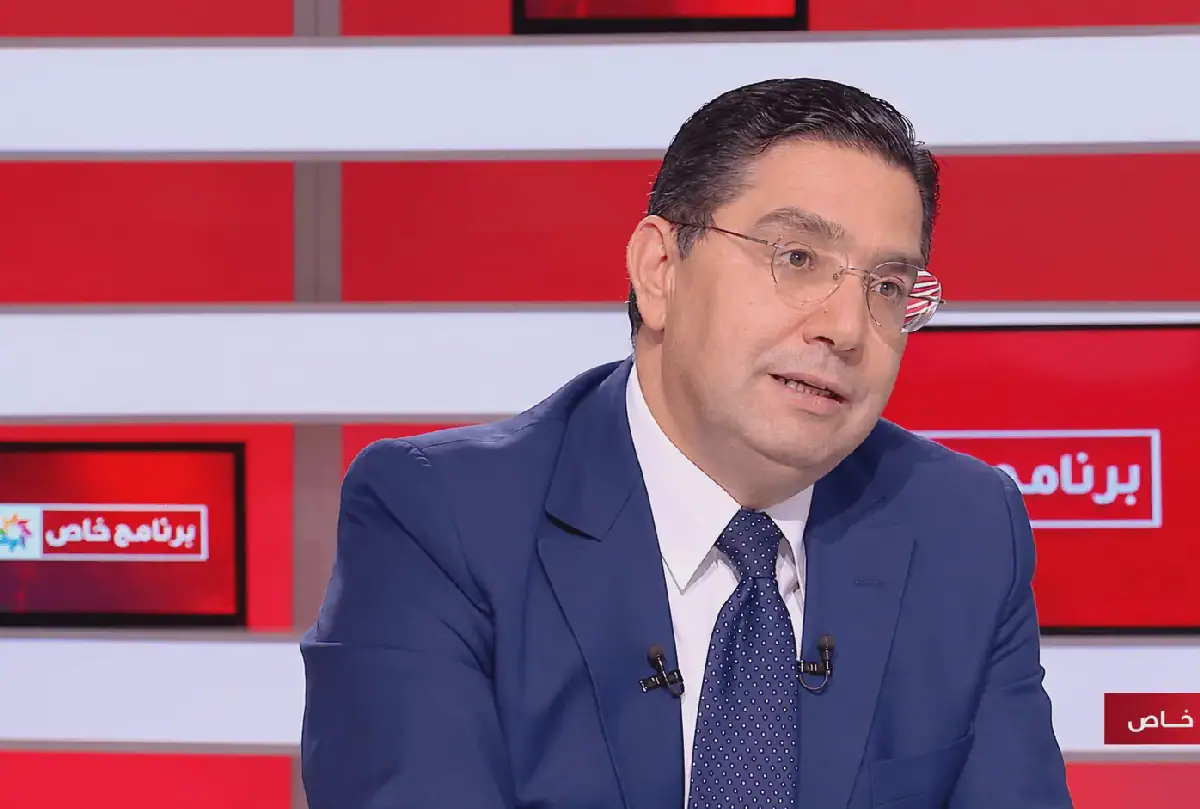
Moroccan Foreign Minister Nasser Bourita recently appeared on a television program, providing insights into the country's diplomatic efforts regarding Western Sahara. The discussion shed light on Morocco's stance on the issue, particularly in the aftermath of Russia's veto on a US-proposed resolution at the UN Security Council. Bourita emphasized that Morocco was aware of Russia's position beforehand and did not attempt to change their stance.
During the program, Bourita addressed the current situation and future prospects for Western Sahara. He highlighted that Morocco is seeking to move beyond mere conflict management and instead, change the rules of the game. This approach involves re-examining the mechanisms that have governed the international community's engagement with the Western Sahara issue for decades. The minister's statements have sparked interest among various media outlets, which have analyzed the implications of Morocco's diplomatic shifts.
One of the key points discussed was Morocco's decision not to pursue altering Russia's position on the issue. Bourita clarified that Morocco was aware of Russia's intentions and did not engage in efforts to change their stance, even during interactions with Russian Foreign Minister Sergey Lavrov. This approach has raised questions about Morocco's strategic choices in dealing with developments related to the national issue.
Bourita also outlined the options available to Morocco in response to the recent developments. These included introducing amendments to the US-proposed resolution to avoid a Russian veto or re-opening discussions on the foundations and rules governing the UN's involvement. This approach reflects Morocco's aim to leverage diplomatic developments to bring about a shift in how the issue is addressed.
The discussion also touched on the future of the UN Mission for the Referendum in Western Sahara (MINURSO). With the mission's mandate set to expire, Bourita emphasized that Morocco would not treat the departure of MINURSO personnel as a expulsion. Instead, the country would provide the necessary logistical support to ensure an organized and responsible withdrawal.
The program provided a platform for Bourita to present Morocco's vision for the next stage of engagement on Western Sahara. This includes the country's relationships with international powers and the future of the UN's involvement. The minister's statements have rekindled debate about the limitations of previous approaches and the potential for a new phase in managing the issue.
The interview has sparked interest in Morocco's diplomatic efforts and the potential for a shift in approach on Western Sahara. The discussion highlighted the complexities of the issue and the need for a nuanced understanding of the diplomatic landscape. As Morocco navigates this challenging environment, the international community will be watching closely for developments.
Key points
- Morocco is seeking to change the rules of the game in its approach to Western Sahara.
- The country is not pursuing efforts to alter Russia's position on the issue.
- Morocco will provide logistical support for the withdrawal of MINURSO personnel.