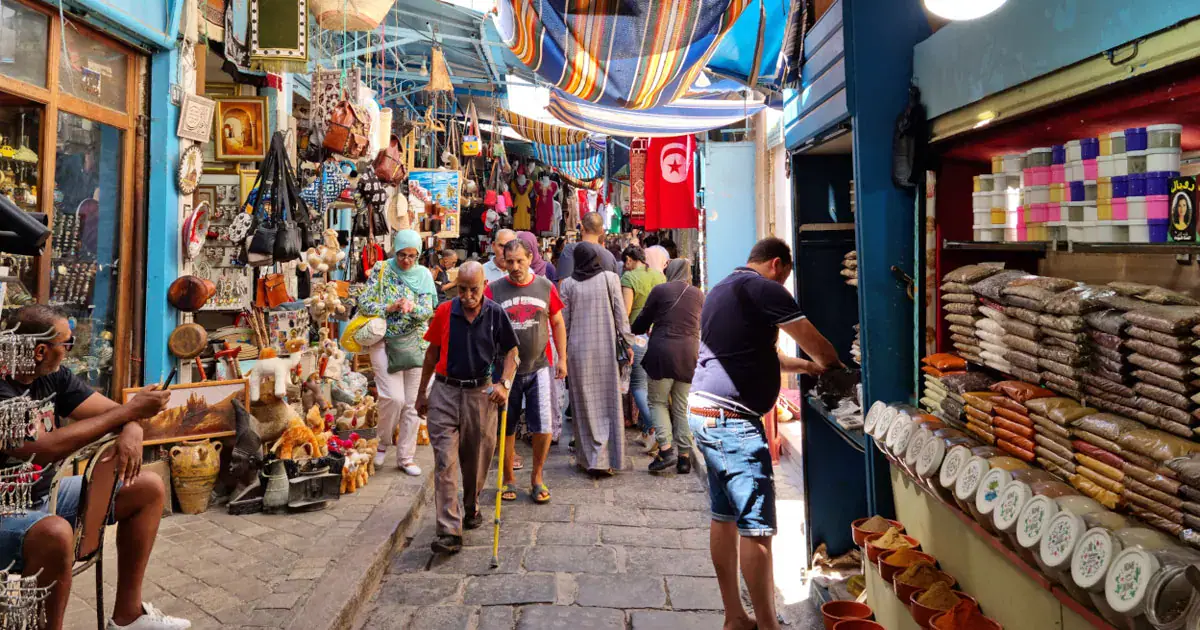
In the historic souks of Tunis, a centuries-old tradition of solidarity once thrived among merchants. The custom, known as "istiftah," involved a merchant who had just made a sale allowing the next customer to purchase from a neighboring vendor. This practice was not driven by generosity, but rather by a code of conduct that emphasized the importance of allowing fellow merchants to start their day. By doing so, they would enable their neighbors to make a sale, fostering a sense of community and cooperation.
The "istiftah" tradition was symbolized by a simple yet meaningful gesture: a chair placed outside a merchant's shop. If a merchant had not yet made a sale, they would place a chair outside their store, signaling to others that they were still waiting for their first customer. Once a merchant had made a sale, they would direct new customers to their neighbors who had not yet had a chance to make a sale. This practice highlights the significance of the first sale of the day, which was seen as a good omen for the rest of the day's transactions.
This tradition of sharing success is not unique to Tunisia. In Naples, Italy, a similar custom has been practiced for years, known as "caffè sospeso" or "suspended coffee." In this tradition, a customer can pay for two coffees but only consume one, leaving the second coffee for someone who may not be able to afford it. This act of kindness is done anonymously, with no expectation of reward or recognition. Both customs share a common philosophy: to share a small moment of good fortune with those who have not yet experienced it.
The medina of Tunis, a UNESCO World Heritage Site since 1979, was once a thriving hub of commerce and social interaction. The souks were organized by trade and occupation, with merchants and artisans working together in close proximity. This close-knit community was built on personal relationships, reputation, and trust. While the souks were not immune to competition and rivalries, the "istiftah" tradition reveals a deeper sense of solidarity and shared success among merchants.
The "istiftah" tradition and the "caffè sospeso" custom may seem like relics of the past, but they offer valuable lessons for modern commerce. In an era of e-commerce and intense competition, these traditions remind us that success can be shared and that kindness can be a powerful tool in building strong relationships. While it is unclear how much of the "istiftah" tradition still exists in Tunisian businesses today, the "caffè sospeso" remains a beloved symbol of Neapolitan generosity.
As we walk through the narrow streets of the medina, surrounded by the sights and smells of traditional commerce, it is easy to imagine a old merchant smiling as he directs a customer to a neighboring shop. This simple act of kindness was a form of social and economic solidarity that predated modern concepts of social responsibility. Perhaps it is a lesson that modern businesses can learn from: that success does not have to come at the expense of others, and that a small act of kindness can have a lasting impact.
The "istiftah" tradition and the "caffè sospeso" custom are testaments to the power of solidarity and kindness in commerce. These traditions, though born in different parts of the world, share a common spirit of generosity and community. As we reflect on these customs, we are reminded that even in the most competitive of environments, there is always room for kindness, compassion, and shared success.
Key points
- A centuries-old tradition of solidarity among merchants in Tunis, known as "istiftah," involved allowing customers to make purchases from neighboring vendors if they had already made a sale.
- In Naples, Italy, a similar custom called "caffè sospeso" or "suspended coffee" involves paying for a coffee that someone else can consume for free.
- These traditions offer valuable lessons for modern commerce, highlighting the importance of kindness, compassion, and shared success in building strong relationships and fostering a sense of community.