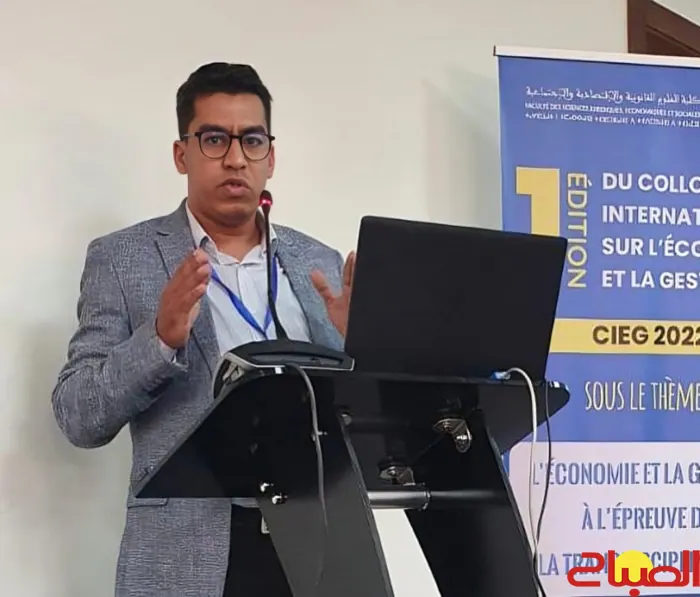
The surge in demand for second-hand goods in Morocco has prompted experts to advocate for a more structured approach to regulating this segment of the market. According to Salah Eddriwish, an economics professor at the Kelmim Faculty of Economics and Management, the rise of second-hand trading is a significant transformation in consumer behavior. This trend is part of a broader commercial system that includes the sale of used items, often referred to as "joutia" in Morocco.
Eddriwish noted that the growth of the second-hand market is one of the ways consumers are adapting to changing economic conditions. The market for used goods has become increasingly popular, with many Moroccans turning to second-hand shopping as a way to access affordable products. This shift has significant implications for the country's retail sector and has sparked discussions about the need for regulatory oversight.
The second-hand market in Morocco operates largely informally, with many transactions taking place in traditional souks or through online platforms. While this informal system has its benefits, experts argue that a more formalized approach is needed to ensure consumer protection and to generate revenue for the state. Eddriwish emphasized that regulating the second-hand market would help to create a more transparent and accountable system.
The Moroccan government has been exploring ways to formalize the second-hand market, with a focus on creating a more structured and regulated environment. This could involve introducing new laws and regulations, as well as working with stakeholders to develop industry standards. The goal is to create a more sustainable and equitable market that benefits both buyers and sellers.
Some of the key challenges facing the second-hand market in Morocco include issues related to product authenticity, consumer safety, and environmental sustainability. By regulating the market, experts hope to address these challenges and create a more responsible and sustainable industry. This could involve working with international partners to develop best practices and share expertise.
The debate around regulating the second-hand market in Morocco is part of a broader discussion about the country's economic development and the need for more formalized systems. Eddriwish and other experts argue that a more structured approach to regulating the second-hand market could have positive impacts on the broader economy, including job creation and revenue generation.
As the Moroccan government considers new regulations for the second-hand market, stakeholders are eagerly awaiting developments. The outcome is likely to have significant implications for the country's retail sector and for consumers who are increasingly turning to second-hand shopping as a way to access affordable products. Three key points have emerged: regulating the second-hand market could generate revenue for the state, improve consumer protection, and create new economic opportunities.
Key points
- Regulating the second-hand market could generate revenue for the state.
- Improving consumer protection is a key goal of regulating the second-hand market.
- A more formalized approach could create new economic opportunities.