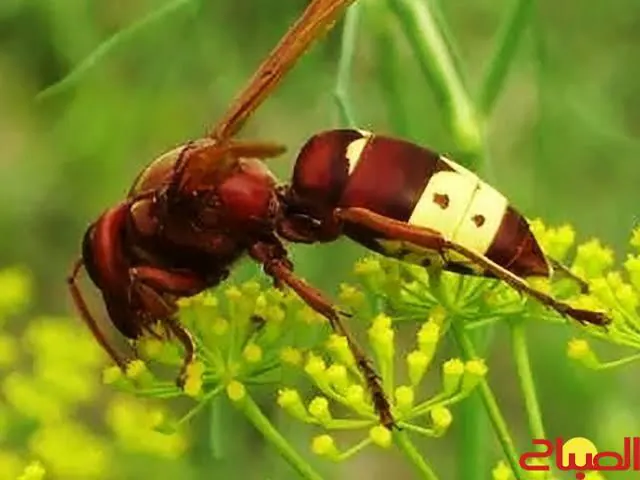
The Moroccan environmental watchdog, OPEMH, has raised concerns over the spread of the eastern hornet (Vespa orientalis) in northern Morocco, particularly in Tangier, Tetouan, and other areas. The organization has called for enhanced scientific monitoring to assess the hornet's impact on beekeeping, ecosystems, and public health. According to a recent study published in 2026, the eastern hornet has been documented in northern Morocco, along with the European hornet (Vespa crabro), based on field observations conducted in 2025.
The eastern hornet is a social, predatory insect that can attack honeybees, potentially killing them and stressing their colonies. Studies have linked the hornet's predation pressure to reduced foraging activity and the transmission of bee diseases. The OPEMH has emphasized that the phenomenon's risks extend beyond beekeeping, as the hornet can inhabit human-made structures and urban areas, posing a health risk, especially for individuals with allergies to insect stings.
While reports from various areas in Tangier suggest the presence of the eastern hornet, the OPEMH has stressed that these reports are insufficient to determine the hornet's distribution or geographic range. The organization has called for urgent scientific verification through a systematic field survey to document the hornet's presence, track its population density, and identify its habitats.
The OPEMH has urged the relevant authorities to launch an immediate, coordinated field monitoring effort in Tangier and other northern regions to determine the hornet's distribution and create a preliminary map of its presence. The organization has recommended prioritizing areas with beekeeping activities, residential areas, educational institutions, and sensitive natural habitats.
The OPEMH has proposed establishing a regional monitoring and early warning system, bringing together relevant authorities, local governments, universities, scientific institutions, beekeepers, and civil society organizations. This system would enable the collection and scientific verification of observations, tracking the hornet's spread, and informing management decisions.
The organization has recommended a comprehensive management program that includes monitoring, scientific identification of hornet nests, risk assessment, and professional intervention for nest removal when necessary. The OPEMH has warned against uncontrolled pest control measures that could harm local insect species and pollinators.
The OPEMH has emphasized the importance of engaging beekeepers, universities, and scientific institutions in a regional program to monitor the eastern hornet and assess its environmental, economic, and health impacts. The organization has called for public awareness campaigns to educate citizens about the hornet's risks and the necessary precautions, without inciting panic.
Key points
- The eastern hornet poses risks to beekeeping, ecosystems, and public health in northern Morocco.
- The OPEMH has called for urgent scientific monitoring and a comprehensive management program to address the hornet's spread.
- The organization has recommended a regional monitoring and early warning system to track the hornet's distribution and inform management decisions.