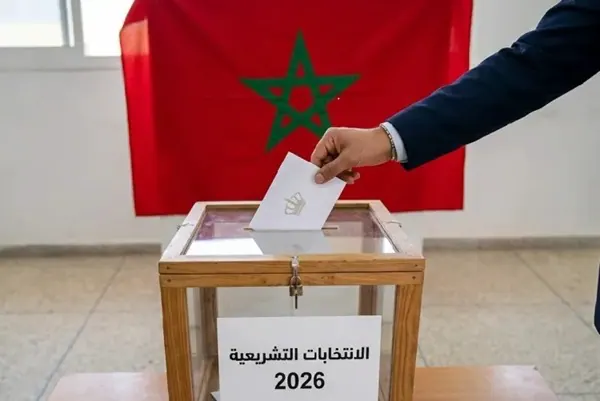
The recent Moroccan elections have produced unexpected outcomes, defying pre-election predictions. Contrary to widespread expectations of a significant swing in favor of the opposition, the ruling coalition parties have maintained their stronghold, albeit with some changes in their ranking. The RNI, led by Aziz Rabbah, has emerged as the leading party, closely followed by the PJD and the PAM. This outcome suggests that the electorate has chosen to reward the parties that have been part of the government, rather than opting for a radical change.
One of the notable aspects of these elections is the performance of the PAM, which has made significant gains, largely due to the charismatic leadership of its new figurehead, Fouzi Lekjaa. Lekjaa's popularity and ability to connect with the electorate have been credited with revitalizing the party's fortunes. His presence has not only boosted the party's image but also helped to attract new supporters. The PAM's gains can also be attributed to the influx of politicians from other parties, including the RNI, who were attracted by the party's newfound momentum.
The PJD, led by Abdelilah Benkirane, has maintained its position as a major player in Moroccan politics, despite facing significant challenges, including allegations of corruption and internal divisions. The party's performance has been seen as a testament to its enduring popularity and the loyalty of its supporters. However, the party's ability to capitalize on its gains and play a more significant role in the government remains to be seen.
The elections have also highlighted the changing dynamics within the ruling coalition. The Istiqlal party, led by Nizar Baraka, has maintained its position as a key player, but its performance has been seen as somewhat underwhelming. The party's strategy of focusing on its core supporters, rather than trying to appeal to a broader audience, may have limited its gains. Nevertheless, the party's position within the coalition remains secure, and it is likely to continue to play a significant role in the government.
The elections have also raised questions about the future of the government and the potential for new alliances. The RNI's emergence as the leading party has created a new dynamic, with the party likely to play a more significant role in shaping the government's agenda. The PAM's gains have also created new possibilities for alliances, with the party potentially becoming a key player in the government's coalition.
The outcome of the elections has been seen as a reflection of the electorate's desire for stability and continuity, rather than radical change. The government's efforts to address the country's economic and social challenges, including its bid to host the 2030 World Cup, are likely to continue, albeit with some adjustments to reflect the new dynamics within the coalition.
As Morocco looks to the future, the implications of these elections will be closely watched, both domestically and internationally. The country's ability to navigate its complex politics and address its pressing challenges will be critical in determining its future trajectory. With the government set to continue its efforts to promote economic growth and social development, the elections have provided a welcome boost to the country's stability and prospects.
Key points
- The Rassemblement National des Indépendants (RNI) has emerged as the leading party in the Moroccan elections, followed closely by the Parti de la Justice et du Développement (PJD) and the Parti Authenticité et Modernité (PAM).