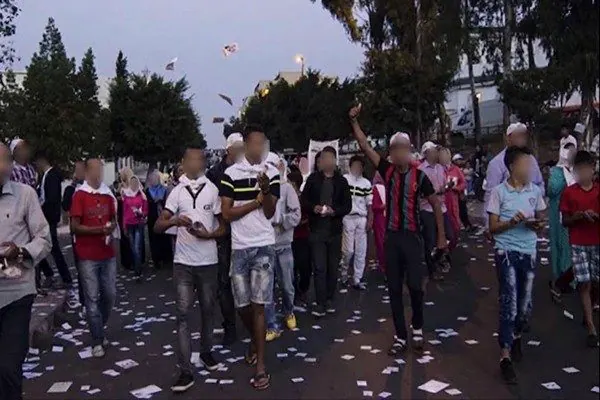
Morocco recently held elections that have been criticized for lacking substance and failing to engage young people. Many citizens have expressed disappointment with the campaigns, which they say have devolved into empty slogans and personal attacks. The elections have been characterized as a "celebration" rather than a meaningful democratic exercise. Critics argue that the campaigns have failed to address pressing issues such as poverty, unemployment, and corruption.
One of the main criticisms of the elections is that they have failed to engage young people. Many young Moroccans have expressed disillusionment with the political process, saying that they feel their voices are not being heard. The lack of youth engagement has been attributed to a range of factors, including a lack of meaningful issues being discussed and a perception that the elections are not relevant to their lives. This disengagement is concerning, given that young people make up a significant proportion of the Moroccan population.
The campaigns have also been criticized for their focus on trivial issues rather than substantive policy discussions. Many of the candidates have been accused of making empty promises and using populist rhetoric to win votes. The focus on trivial issues has been seen as a way to distract from more pressing concerns, such as corruption and economic inequality. This approach has been criticized by many, who argue that it undermines the democratic process.
Some candidates have attempted to engage with young people through social media and other unconventional means. For example, some have used music and humor to try to connect with young voters. However, these efforts have been met with skepticism by many, who argue that they are insufficient to address the underlying issues. The use of social media has also raised concerns about the role of technology in the electoral process.
The elections have also been marked by criticisms of corruption and cronyism. Many citizens have expressed concerns about the influence of money and personal connections in the electoral process. There have been allegations of vote-buying and other forms of electoral manipulation. These criticisms have undermined trust in the democratic process and raised concerns about the legitimacy of the outcome.
Despite the criticisms, some candidates have made efforts to engage with citizens and address pressing issues. For example, some have proposed policies to address poverty and unemployment, and have engaged in debates and discussions with citizens. These efforts have been seen as a positive step towards revitalizing the democratic process and increasing citizen engagement.
The outcome of the elections remains to be seen, but it is clear that the process has been marred by criticisms of lack of substance and youth engagement. The Moroccan government and electoral authorities will need to address these concerns in order to restore trust in the democratic process and ensure that the elections are seen as legitimate and meaningful. The future of Moroccan democracy depends on it.
Key points
- Moroccan elections have been criticized for lacking substance and failing to engage young people.
- The campaigns have been characterized as a "celebration" rather than a meaningful democratic exercise.
- The outcome of the elections remains to be seen, but it is clear that the process has been marred by criticisms of lack of substance and youth engagement.