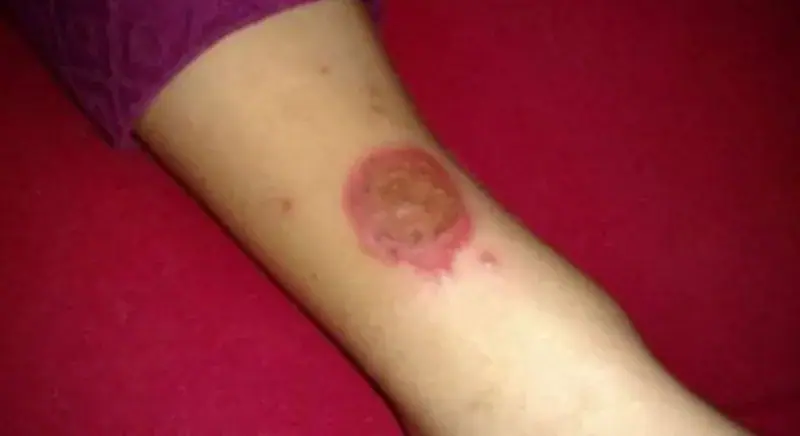
Cutaneous leishmaniasis, a parasitic disease spread through the bites of infected sandflies, has become a recurring health issue in southern and southeastern Morocco during certain times of the year. According to Dr. Adel Zaidi, a medical professional with experience in tracking this disease, it is essential to address the issue through sustained preventive measures rather than reactive treatments. The disease, while treatable, can leave permanent scars if not diagnosed and treated promptly.
Dr. Zaidi highlights that the disease's resurgence is often linked to the region's seasonal changes and the movement of people during school breaks. He stresses that the Ministry of Health and Social Protection has previously acknowledged the persistence of the disease in certain areas and has undertaken campaigns to control rodent populations and raise awareness. However, Dr. Zaidi argues that these efforts must be sustained throughout the year, rather than being limited to specific periods.
The doctor emphasizes that early diagnosis and treatment can lead to a complete recovery, but delayed medical attention can result in permanent damage. He attributes the delay in seeking medical help to factors such as fear, lack of awareness, and inadequate communication. Dr. Zaidi also notes that the psychological and social impacts of the disease, particularly on children, can be significant and long-lasting.
Dr. Zaidi questions why public awareness campaigns, organized by the health sector in affected regions, are not more consistent and widespread. He believes that sustained efforts to promote local hygiene and control rodent populations are crucial in preventing the spread of the disease. The doctor also stresses that the treatment for cutaneous leishmaniasis is available and free in health centers, but the disease's psychological and social impacts can be substantial.
The annual pattern of the disease's resurgence suggests that it can be contained with coordinated efforts from local authorities, health professionals, and the community. Dr. Zaidi argues that responsibility for preventing the disease is shared among various stakeholders, including the Ministry of Health, local authorities, and citizens. He emphasizes that sustained efforts throughout the year, rather than just during peak seasons, are essential in controlling the disease.
Dr. Zaidi, who is also the director of ZaidiLab, a medical research facility, notes that while the disease is not life-threatening, it can have a significant impact on the quality of life for those affected. He advocates for a collective approach to prevention, involving not only medical professionals but also local communities and authorities. By working together, Dr. Zaidi believes that it is possible to reduce the incidence of cutaneous leishmaniasis and mitigate its impacts.
Ultimately, Dr. Zaidi's message is one of hope and empowerment. He encourages citizens to take an active role in preventing the spread of the disease and to seek medical attention promptly if symptoms occur. By doing so, he believes that Morocco can make progress in controlling cutaneous leishmaniasis and improving the health and well-being of its citizens.
Key points
- Dr. Adel Zaidi emphasizes the need for sustained efforts to prevent cutaneous leishmaniasis, a skin disease that resurfaces annually in southern Morocco.