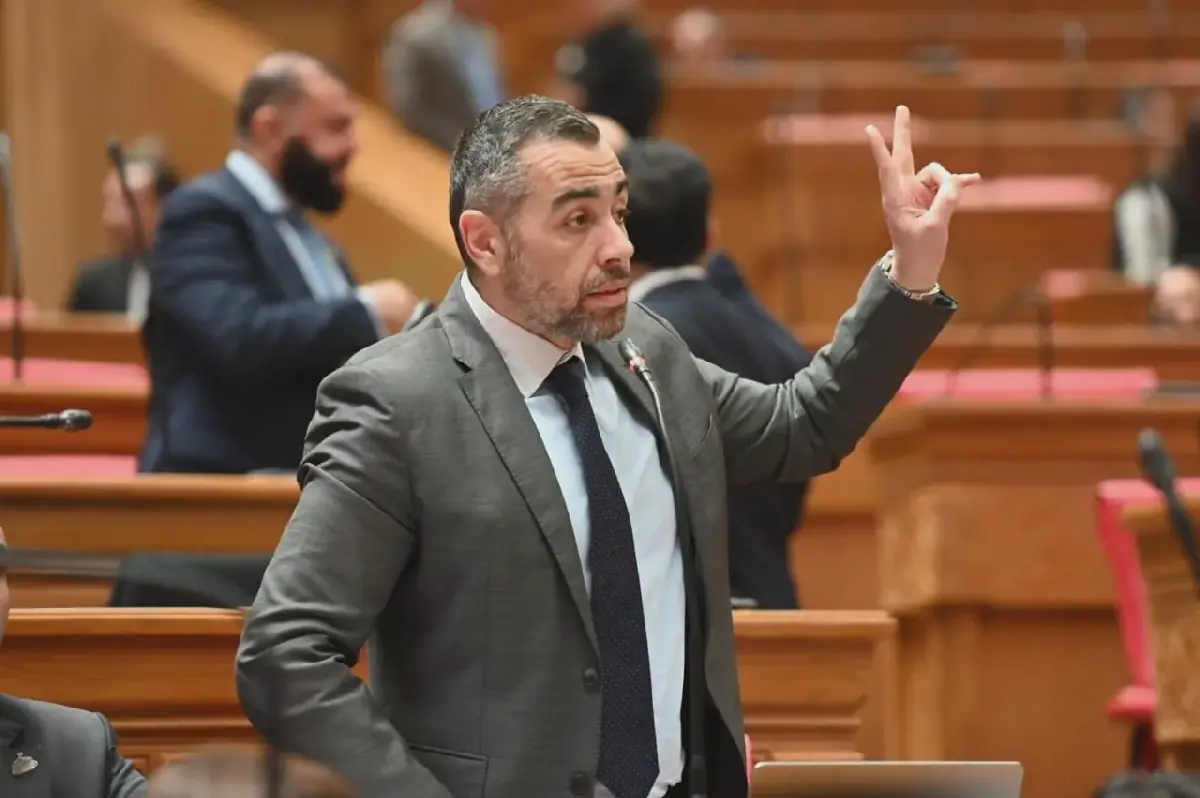
Egyptian Member of Parliament and chairman of the parliamentary bloc for the Justice Party, Mohamed Fouad, has submitted a request for a briefing to assess the impact of Austerity Measures Decision No. 932 of 2026. The decision was issued on March 30, and its effects need to be evaluated. Fouad's request targets the Prime Minister, Finance Minister, and Minister of Planning and Economic Development.
The request aims to assess the decision's effectiveness, including achieved savings, actual implementation by government agencies, and the value of stopped or postponed expenditures. Fouad emphasized that a new austerity plan was approved despite the previous one not being evaluated. He stated that before implementing new measures, the results of the previous ones must be understood, highlighting the difference between actual financial savings and postponed obligations.
The request also seeks to review the economic and financial assumptions behind the 2026/2027 budget. This includes assessing updates on exchange rates, energy prices, and borrowing costs, as well as evaluating risk management and allocated reserves. According to Fouad, the current budget was prepared under unstable economic conditions and approved amidst existing disturbances and risks.
The MP noted that the new austerity plan coincides with reports of delayed natural gas shipments due to high costs, reflecting increased pressure on foreign exchange resources and energy costs. He stressed the importance of distinguishing between temporary liquidity management and addressing actual economic costs.
The 2026/2027 budget was based on a dollar price assumption of 47 pounds and oil at $75 per barrel. However, significant changes in exchange rates, energy prices, and financing costs have occurred. Fouad mentioned that the Finance Minister announced an intention to update oil and dollar estimates in July, emphasizing the need to evaluate these updates.
Fouad stated that the goal of the briefing request is to transition from issuing repetitive decisions to a foundational evaluation of financial policy effectiveness. This involves linking austerity decisions to measurable targets and ensuring economic assumption reviews are transparently presented to Parliament.
The MP concluded that while austerity measures are a correct step, the success of financial policy is measured by its outcomes, not the number of decisions made. He emphasized the need to understand the impact of previous decisions before repeating them, advocating for a realistic budget that anticipates and absorbs risks, and a financial policy that provides a clear account of its decisions' outcomes.
Key points
- The Egyptian MP is requesting a briefing to assess the effectiveness of austerity measures implemented in 2026.
- The request aims to evaluate achieved savings, implementation by government agencies, and the impact on the budget and public services.
- The MP emphasizes the need for a realistic budget that anticipates and absorbs risks, and a financial policy that provides a clear account of its decisions' outcomes.