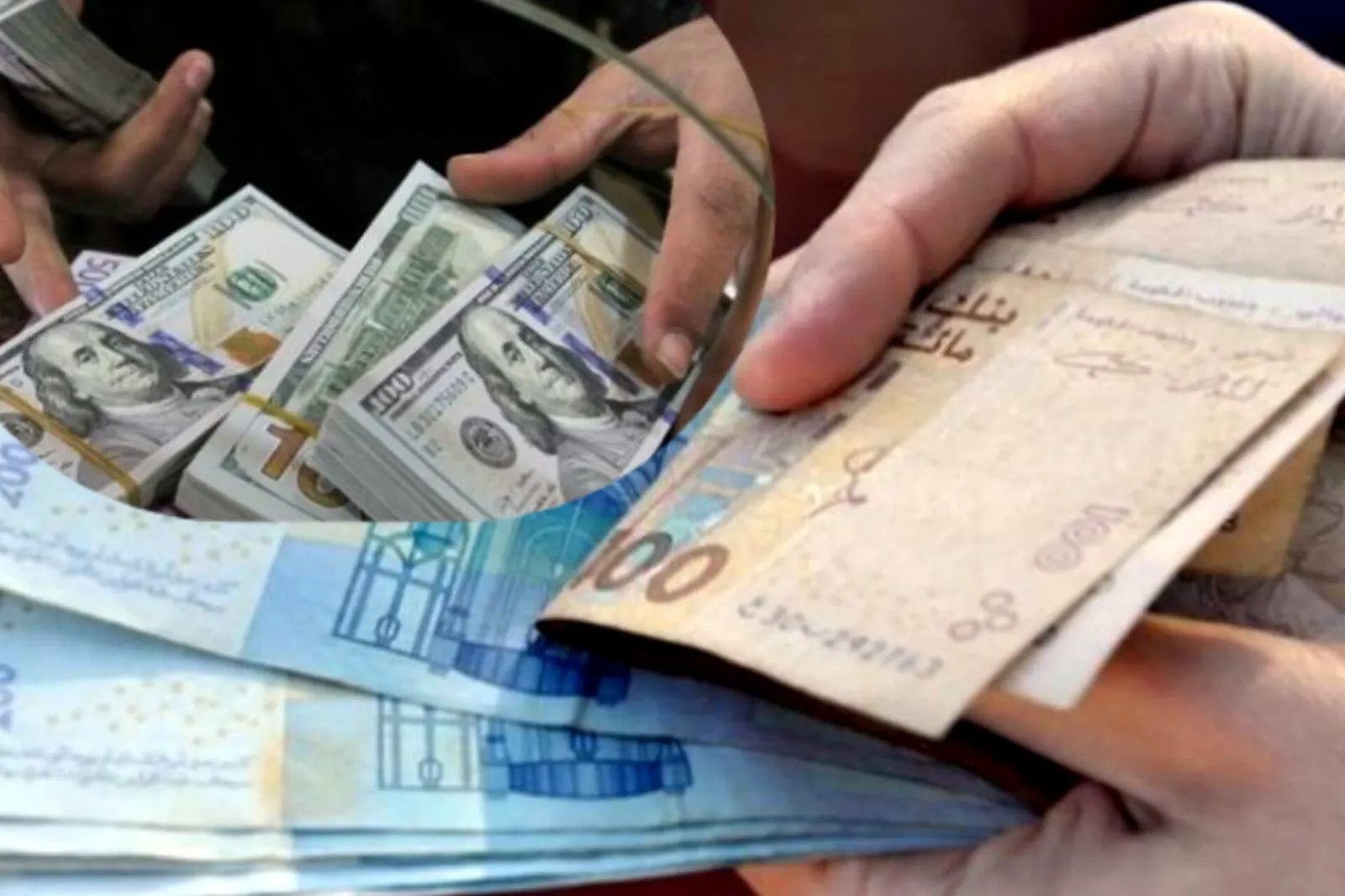
The Moroccan dirham has experienced a decline for the fifth consecutive week against both the euro and the dollar. According to economist Abd Razak Al-Hiri, this trend is worth analyzing, particularly in terms of its causes and potential effects on the economy. Al-Hiri noted that external factors, such as the strength of the dollar in international markets, are contributing to the dirham's decline.
The dollar has shown significant strength in international markets, driven by rising US bond yields, persistent inflation concerns, and higher energy prices. The euro has faced pressure due to the economic and energy situation in Europe, as well as financial and political risks. As a result, the dirham has depreciated more rapidly against the dollar than against the euro, reflecting the dollar's overall strength against other currencies.
The exchange rate is also influenced by the supply and demand for foreign currencies within Morocco's market. Al-Hiri explained that a rise in import costs, particularly for energy, raw materials, and equipment, or increased demand for foreign currencies by companies, can create additional pressure on the dirham. Conversely, exports, tourism revenues, remittances from Moroccans abroad, and foreign investments are important sources of hard currency that help alleviate this pressure.
According to Al-Hiri, estimates from Bank Al-Maghrib, Morocco's central bank, indicate that the country's external reserves remain at a relatively comfortable level. This is an important factor in assessing the economy's ability to absorb external shocks. The dirham's decline may have mixed effects in the short term, benefiting households that receive remittances in euros or dollars and certain exporters and tourism operators.
However, a prolonged decline in the dirham could lead to higher import costs, which could eventually be passed on to production and transportation costs, and ultimately to prices of certain goods and services domestically. Al-Hiri emphasized that it is essential to distinguish between the current decline and a currency crisis, noting that the dirham still operates within a managed float framework, and Bank Al-Maghrib monitors the market and has the possibility of intervening to maintain exchange rate stability.
Al-Hiri identified several key indicators to monitor in the coming weeks, including the speed, extent, and persistence of the dirham's decline, its position within the official fluctuation band, the evolution of hard currency reserves, energy prices, the trade deficit, and tourism flows and remittances from Moroccans abroad. He concluded that if the dirham's decline persists, driven by global factors, it will largely reflect international circumstances.
In the context of Morocco's economic situation, the dirham's decline may have significant implications for the country's trade balance and inflation rate. The government and central bank will likely closely monitor the situation and consider potential policy responses to mitigate any adverse effects on the economy.
Key points
- The dirham has fallen for the fifth consecutive week against both the euro and the dollar.
- External factors, such as the strength of the dollar, are contributing to the dirham's decline.
- A prolonged decline in the dirham could lead to higher import costs and potentially higher prices for goods and services domestically.