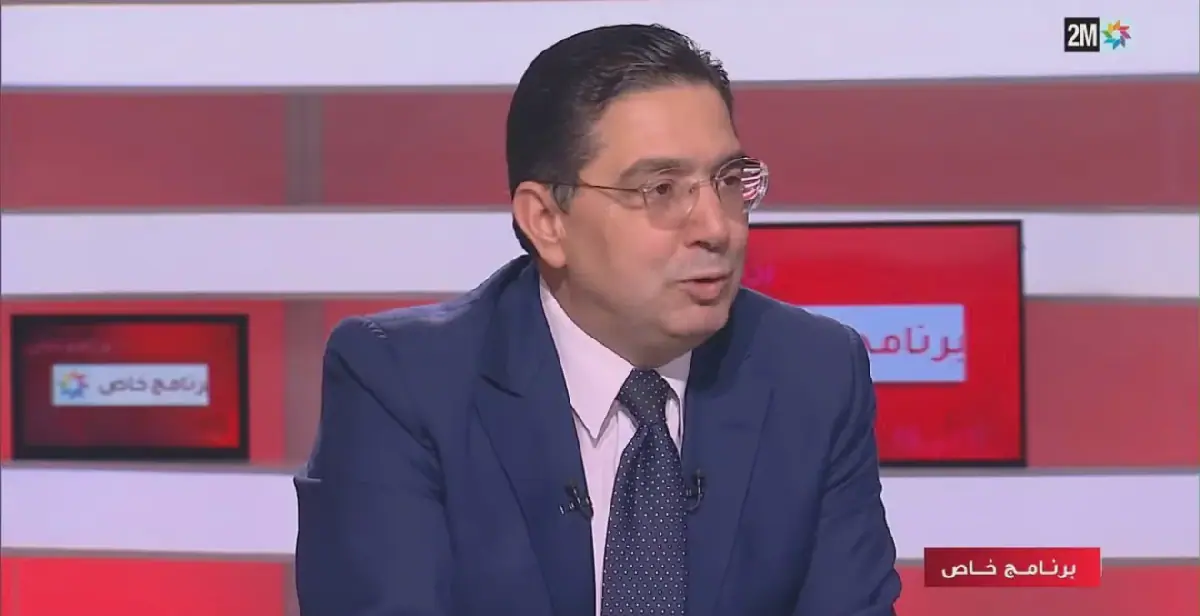
The recent veto by Russia and the US on a UN Security Council resolution regarding the Sahara region has sparked renewed debate over Morocco's diplomatic strategy. The country's Foreign Minister, Nasser Bourita, appeared on a local TV channel to address the issue, but his explanations have been met with skepticism. Many are questioning the government's handling of the situation and its implications for the region.
During his appearance on the TV channel, Bourita seemed calm and confident, but his words did little to alleviate concerns. He stated that Morocco was aware of the possibility of a Russian veto, but chose not to alter the text of the resolution to avoid it. This decision has raised questions about the government's preparedness and strategy in the face of opposition. The minister's explanations have been criticized for being unclear and lacking in detail.
The controversy surrounding Morocco's diplomatic efforts has sparked a wider debate about the country's approach to international relations. Many are calling for greater transparency and accountability in the government's decision-making processes. The issue has also highlighted the challenges faced by Morocco in navigating the complex landscape of international diplomacy. The country's commitment to its national cause is unwavering, but its methods have come under scrutiny.
The Sahara region has long been a contentious issue, with Morocco claiming sovereignty over the territory. The UN Security Council has been involved in efforts to resolve the dispute, but progress has been slow. The recent veto has set back these efforts, and Morocco's diplomatic efforts have been criticized for being ineffective. The government must now regroup and reassess its strategy in the face of opposition.
The reaction to Bourita's appearance on TV has been mixed, with some praising his calm and confident demeanor. However, many have expressed frustration at the lack of clear explanations and detailed information about the government's plans. The public is eager for answers about the implications of the veto and the government's next steps. The issue has sparked a national conversation about Morocco's place in the world and its relationships with other countries.
The controversy has also highlighted the role of the media in holding those in power accountable. The press has been criticized for not pushing harder for clear explanations and detailed information. However, some have praised the media for bringing attention to the issue and sparking a national conversation. The debate over Morocco's diplomatic efforts is likely to continue in the coming days and weeks.
As Morocco navigates this challenging period, the government must be prepared to address the concerns of its citizens. The country's diplomatic efforts must be transparent, effective, and responsive to the needs of its people. The issue has highlighted the need for greater accountability and transparency in government decision-making. The coming days and weeks will be crucial in determining the future of Morocco's diplomatic efforts and its relationships with other countries.
Key points
- Morocco's diplomatic strategy has come under scrutiny following a veto by Russia and the US on a UN Security Council resolution regarding the Sahara region.
- The country's Foreign Minister, Nasser Bourita, has faced criticism for his explanations of the government's handling of the situation.
- The controversy has sparked a wider debate about Morocco's approach to international relations and the need for greater transparency and accountability in government decision-making.