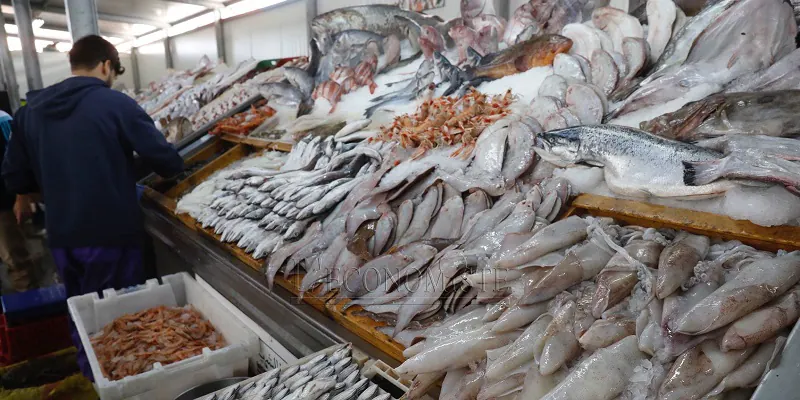
Morocco's coastal and artisanal fishing sectors have seen significant growth in the first nine months of 2026. According to the Office National des Pêches (ONP), the country's fishing landings reached 965,832 tonnes, marking a 19% increase compared to the same period in 2025. The total value of these landings was nearly 8.7 billion dirhams, a 6% increase year-on-year. This growth indicates a positive trend for Morocco's fishing industry.
The ONP report highlights that certain species have contributed significantly to this growth. Pelagic fish landings increased by 25% to 812,567 tonnes, while cephalopod landings rose by 7% to 49,383 tonnes. However, not all species saw increases, with shellfish, white fish, and algae landings declining by 74%, 13%, and 12%, respectively. These changes may be attributed to various factors, including seasonal fluctuations and fishing regulations.
Regionally, the Mediterranean ports of Morocco saw 13,477 tonnes of products landed as of September, a 7% increase year-on-year. However, the value of these landings decreased by 10% to 519.8 million dirhams. In contrast, the Atlantic ports recorded 952,355 tonnes of landings, a 19% increase, valued at over 8.16 billion dirhams, up 7% year-on-year. These regional variations may be influenced by factors such as fishing grounds and market demand.
The growth in coastal fishing landings is a positive indicator for Morocco's fishing industry. The sector plays a vital role in the country's economy and food security. With a diverse range of fish species and a long coastline, Morocco has significant potential for sustainable fishing practices. However, the decline in certain species highlights the need for continued monitoring and management of fishing activities.
The ONP report provides valuable insights into the performance of Morocco's coastal and artisanal fishing sectors. The data highlights trends and patterns in fishing landings, which can inform policy decisions and management strategies. By analyzing these trends, authorities can work to promote sustainable fishing practices, protect marine resources, and support the livelihoods of fishing communities.
Morocco's fishing industry faces challenges, including the need to balance economic growth with environmental sustainability. The country's fisheries are an essential source of income and food for many communities. As the industry continues to grow, it is crucial to prioritize sustainable fishing practices, protect marine biodiversity, and ensure the long-term viability of the sector.
The increase in coastal fishing landings is a positive development for Morocco's economy and food security. As the country looks to the future, it is essential to build on this growth while prioritizing sustainability and environmental protection. By working together, stakeholders can promote a thriving and sustainable fishing industry that benefits both people and the environment.
Key points
- Morocco's coastal fishing landings reached 965,832 tonnes in the first nine months of 2026, up 19% year-on-year.
- Pelagic fish landings increased by 25% to 812,567 tonnes, while cephalopod landings rose by 7% to 49,383 tonnes.
- The total value of fishing landings was nearly 8.7 billion dirhams, a 6% increase year-on-year.