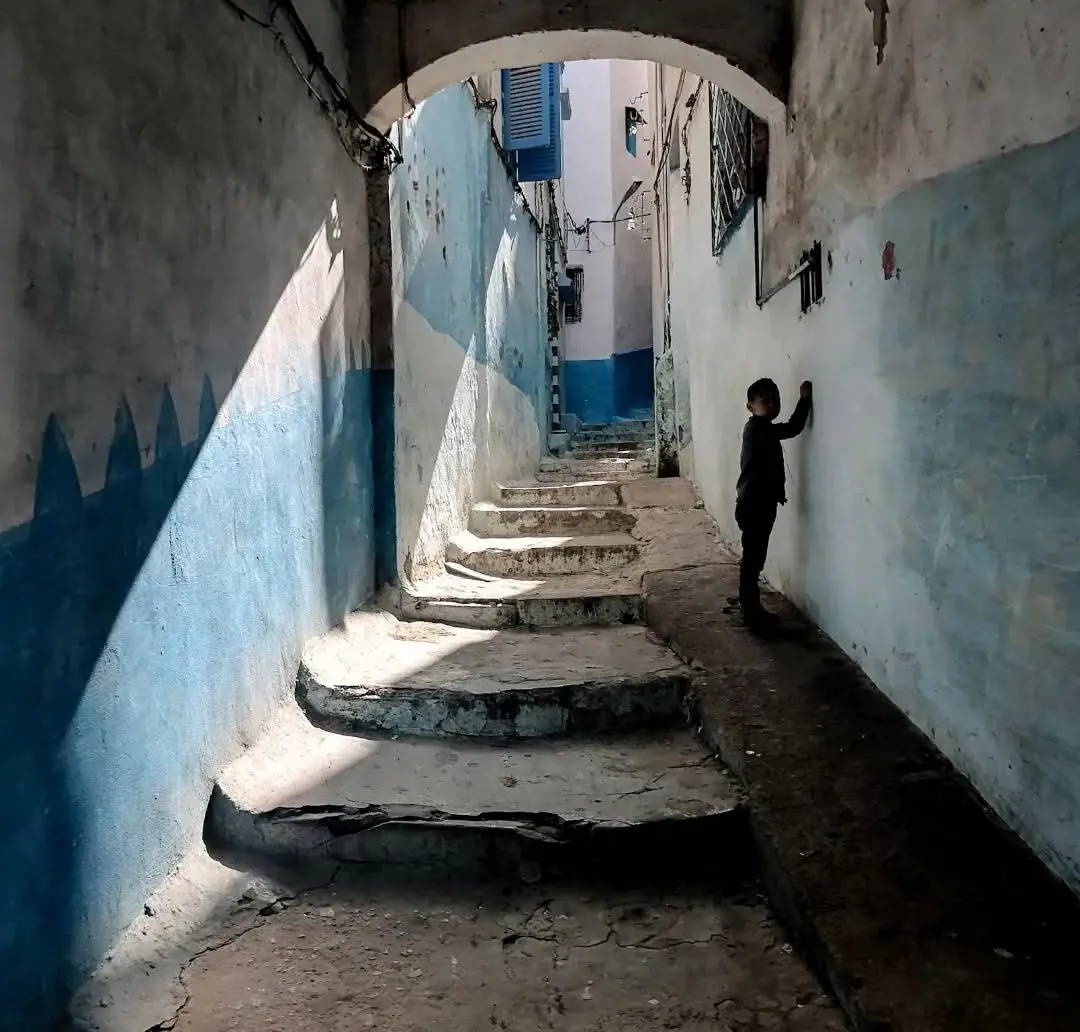
The Moroccan cinema industry is facing significant challenges due to the country's rapid urbanization, which is erasing its historical identity and making it difficult to film scenes set in the past. The country's cities are changing at a fast pace, with new constructions and random developments that do not take into account the cultural and aesthetic heritage of the cities. This has led to concerns that Morocco will soon only be able to film the present, and that historical scenes will have to be recreated in studios or using digital technology.
One of the main issues facing Moroccan cinema is the lack of preserved historical sites and architecture. Unlike European cities, which have maintained their historical charm and architecture, Moroccan cities are rapidly losing their unique character. For example, the city of Fez, which is known for its ancient medina, is now surrounded by modern developments that bear no resemblance to the city's rich history. This makes it difficult for filmmakers to find authentic locations to film historical scenes.
The use of digital technology and studios is becoming increasingly necessary for Moroccan filmmakers who want to create historical dramas. However, this requires significant resources and expertise, which are not always available in Morocco. The country's film industry has traditionally relied on filming on location, rather than in studios, and this approach is becoming increasingly difficult due to the rapid urbanization of the cities.
The loss of historical identity is not only a challenge for filmmakers but also for the country's cultural heritage. Moroccan cities are becoming increasingly generic and lacking in character, which is a loss for the country's cultural identity. The rapid urbanization of the cities is also leading to the destruction of historical sites and the erasure of the country's collective memory.
Some filmmakers are using digital technology to recreate historical scenes and environments. However, this approach requires significant resources and expertise, and the results can sometimes be unconvincing. The use of digital technology can also lead to a loss of authenticity and a sense of detachment from the real world.
The challenges facing Moroccan cinema are not only related to the country's urbanization but also to the lack of investment in the film industry. The industry requires significant funding to produce high-quality films that can compete with international productions. However, funding for the film industry is limited, and many filmmakers struggle to secure the resources they need to produce their films.
In conclusion, the Moroccan cinema industry is facing significant challenges due to the country's rapid urbanization and loss of historical identity. The industry requires significant investment and resources to produce high-quality films that can compete with international productions. The loss of historical identity is not only a challenge for filmmakers but also for the country's cultural heritage, and it is essential that steps are taken to preserve Morocco's unique cultural identity.
Key points
- Moroccan cities' rapid urbanization threatens the country's cinematic heritage, making it difficult to film historical scenes and maintain cultural identity.
- The use of digital technology and studios is becoming increasingly necessary for Moroccan filmmakers who want to create historical dramas.
- The loss of historical identity is not only a challenge for filmmakers but also for the country's cultural heritage.
Reporting sources
- هل ستتحول مدننا فقط إلى ديكورات صالحة فقط لأفلام الإرهاب والخراب؟ · Al Ittihad Al Ichtiraki