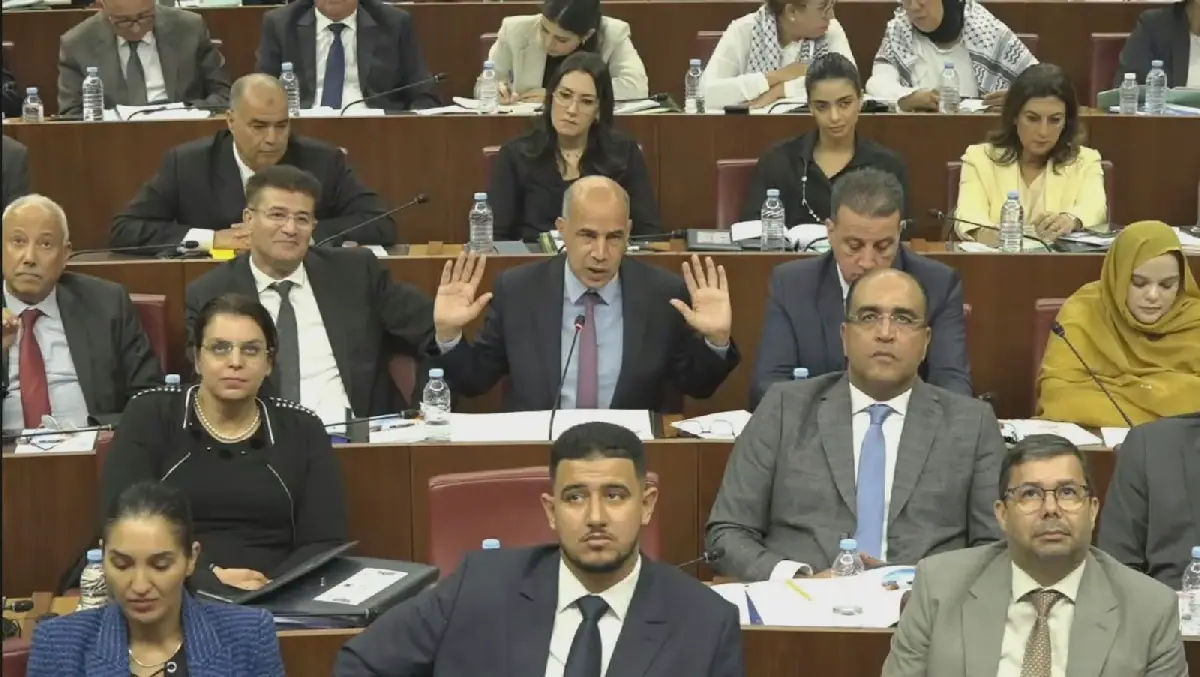
The Moroccan government's proposed 2027 budget has sparked heated debate, with the Authenticity and Modernity Party (PAM) expressing concerns over the current system of licenses and concessions. PAM leader, Hicham El Sabri, criticized the system, citing its potential to exacerbate social inequalities and create an uneven playing field for citizens. He argued that the current system has led to the concentration of wealth among a select few.
El Sabri specifically targeted the "Krimats" system, which grants exclusive fishing rights to certain individuals, as well as the licensing regime for sand quarries. He questioned the criteria used to award these concessions, arguing that they have created an unfair advantage for those who hold them. El Sabri emphasized that the PAM is not opposed to private investment, but rather to the opaque and discriminatory nature of the current system.
The PAM leader also welcomed recent measures taken to combat tax evasion and illicit transactions in the sand quarrying sector. However, he stressed that more needs to be done to address the issue and ensure that the sector operates in a transparent and equitable manner. El Sabri emphasized that the PAM has full confidence in the government's ability to address these issues and promote a more inclusive and equitable economic model.
The debate over the 2027 budget comes at a time when Morocco is seeking to promote economic growth and reduce social inequalities. The government has emphasized its commitment to creating a more inclusive and equitable economy, but critics argue that more needs to be done to address the country's deep-seated social and economic challenges. The PAM's criticisms are likely to add fuel to the debate over the budget and the government's economic policies.
El Sabri's comments also highlighted the need for greater transparency and accountability in the awarding of concessions and licenses. He argued that the current system has led to a situation where some individuals are able to accumulate wealth and influence, while others are left behind. The PAM leader emphasized that the party is committed to promoting a more equitable and transparent economic model that benefits all Moroccans.
The government's response to the PAM's criticisms is not yet clear, but it is likely that the debate over the 2027 budget will continue in the coming weeks. The budget is seen as a key test of the government's commitment to economic reform and its ability to address the country's social and economic challenges. Critics argue that the government needs to do more to address the country's deep-seated economic and social problems.
The 2027 budget debate is also likely to have implications for the government's relations with other parties and stakeholders. The PAM's criticisms are likely to be echoed by other parties and civil society groups, who argue that the government needs to do more to promote economic growth and reduce social inequalities. The government's ability to respond to these criticisms and promote a more inclusive and equitable economic model will be closely watched by Moroccans and international observers alike.
Key points
- The Authenticity and Modernity Party has criticized the Moroccan government's proposed 2027 budget, citing concerns over the current system of licenses and concessions.