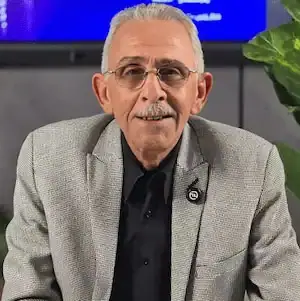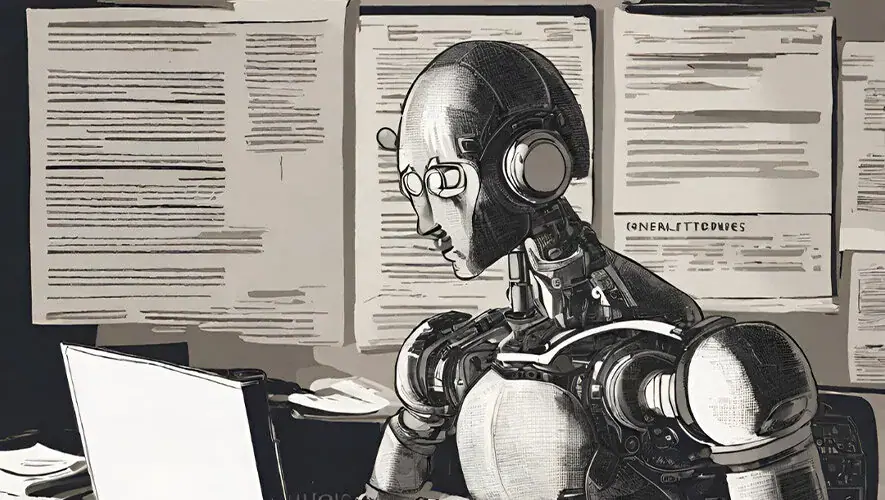
In a thought-provoking article, Moroccan author Hamid Zaid expressed concerns about the rapid development of artificial intelligence (AI) and its potential consequences for humanity. He argues that the increasing reliance on AI could lead to significant job losses and changes in various industries. Zaid's warnings come amid growing discussions about the ethics and implications of AI development.
Zaid's article highlights the anxiety and fear that many people have about the potential risks associated with AI. He notes that some experts and industry leaders have expressed concerns about the possibility of AI systems becoming uncontrollable or being used for malicious purposes. The author also references a poem by the Greek poet Constantine Cavafy, "Waiting for the Barbarians," to illustrate the sense of impending doom that some people feel about the rise of AI.
The author acknowledges that some people, including his friends and colleagues, are taking steps to prepare for the potential consequences of AI development. They are investing time and resources into understanding AI and its implications, as well as exploring ways to mitigate its risks. However, Zaid remains skeptical about the effectiveness of these efforts and questions whether they will be enough to prevent the potential negative consequences of AI.
Zaid also touches on the theme of responsibility and accountability in AI development. He wonders who will be held accountable if AI systems cause harm or damage, and whether there are adequate safeguards in place to prevent such incidents. The author's concerns about AI development reflect a broader debate about the ethics and governance of emerging technologies.
The article has sparked a lively discussion in Morocco and beyond, with many people weighing in on the potential benefits and risks of AI development. Some have argued that AI has the potential to bring about significant benefits, such as improved healthcare and increased productivity, while others have expressed concerns about its potential impact on employment and social stability.
Zaid's warnings about AI development come at a time when many countries are investing heavily in AI research and development. Morocco is no exception, with several initiatives underway to promote the development of AI and emerging technologies. However, the author argues that these efforts must be balanced with caution and a deep understanding of the potential risks and consequences of AI.
Ultimately, Zaid's article serves as a call to action for policymakers, industry leaders, and individuals to think critically about the implications of AI development and to take steps to ensure that its benefits are realized while minimizing its risks. The debate about AI development is likely to continue, and Zaid's contribution is an important one in raising awareness about the potential consequences of unchecked AI development.
Key points
- Moroccan author Hamid Zaid warns about the potential risks and consequences of unchecked AI development.
- Zaid's concerns reflect a broader debate about the ethics and governance of emerging technologies.
- The article has sparked a lively discussion in Morocco and beyond about the potential benefits and risks of AI development.